
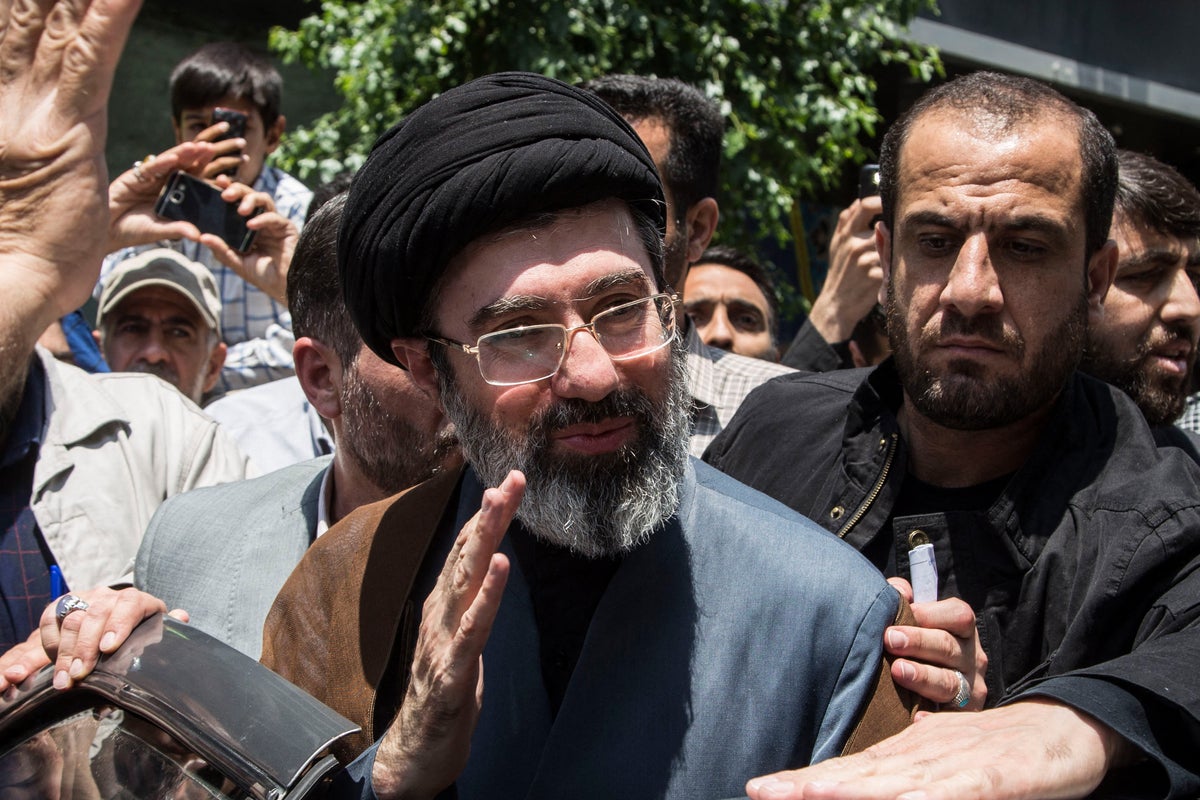
Mojtaba Khamenei Appointed Iran’s New Supreme Leader Following Father’s Death
The Islamic Republic of Iran has a new Supreme Leader, with Mojtaba Khamenei confirmed to be stepping into the role previously held by his father, Ayatollah Ali Khamenei. The elder Khamenei, aged 86, tragically passed away on Saturday, reportedly due to a strike attributed to US and Israeli forces targeting his personal compound. This event has sent ripples of instability across the Gulf region. Ayatollah Ali Khamenei’s tenure as Iran’s clerical leader spanned an impressive 37 years, shaping the nation’s political and religious landscape.
According to Iranian state media, Mojtaba Khamenei, the second-oldest son of the deceased leader, was officially selected for the position by Iran’s Assembly of Experts. This powerful body comprises 88 Islamic scholars who are rigorously vetted by the Guardian Council to ensure their allegiance to the Supreme Leader. The Assembly’s core responsibilities include appointing and overseeing the actions of the Supreme Leader. Reports from Iran International, an independent news outlet, suggest that the decision to elevate Mojtaba Khamenei was influenced by pressure from the Islamic Revolutionary Guard Corps (IRGC).
It is noteworthy that both the late Ayatollah and his successor have publicly and strongly opposed the concept of hereditary rule, a stance consistent with Shia theological principles.
Who is Mojtaba Khamenei?
Mojtaba Khamenei, now 56, has largely remained out of the public spotlight until this significant appointment. He shares a dual background in Islamic theology and military service with his late father. Currently, he imparts his knowledge by teaching advanced theological subjects at a religious seminary located in Qom, a prominent centre of Shia learning.
He is widely regarded as a hardline conservative cleric with deep-seated connections to Iran’s influential IRGC. His academic journey began with extensive Islamic studies after completing high school. He received tutelage from some of Iran’s most revered scholars in Qom, where he honed his skills to become a cleric. During the intense Iran-Iraq War, he served with the Iranian military between 1987 and 1988. Among Ayatollah Ali Khamenei’s six children, Mojtaba is generally considered the most influential, despite never having held a formal public office.
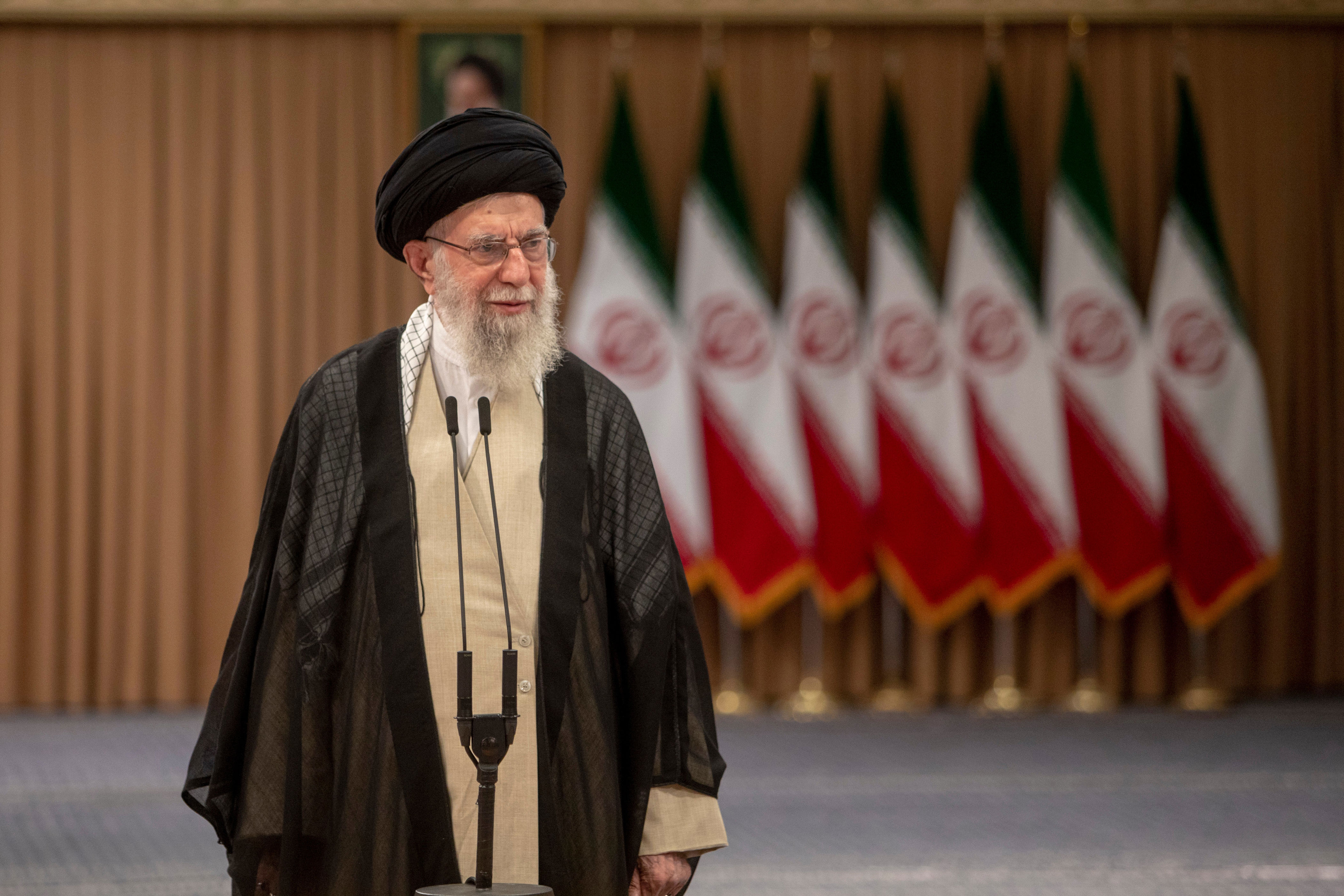
Past Allegations and Financial Holdings
Mojtaba Khamenei’s name has surfaced in the past in connection with alleged political interference. In 2005, he was accused of influencing the presidential elections that saw the conservative candidate Mahmoud Ahmadinejad emerge victorious. Reformist figures within the government, including Mehdi Karroubi, who was one of Ahmadinejad’s rivals, pointed fingers at the “master’s son” for his alleged meddling. In response to these accusations, his father, Ayatollah Ali Khamenei, asserted that his son was a “master himself, not a master’s son.”
Further reports from The Guardian indicated that in 2009, Mojtaba Khamenei assumed control of the Basij, a paramilitary group within Iran, with the reported objective of suppressing anti-government protests that erupted following the elections that year.
A Bloomberg investigation has also brought to light allegations concerning Mojtaba Khamenei’s financial assets. He is reportedly the owner of more than 11 luxury properties in the United Kingdom, acquired through a network of shell companies. The combined valuation of these properties is estimated to exceed $138 million (£103 million). Among these acquisitions is a property on Bishop’s Avenue in North London, famously known as “Billionaire’s Row.” However, the Assembly of the Forces of Imam’s Line has officially denied claims that Khamenei possesses substantial financial assets. In recognition of his perceived influence, he was subjected to US sanctions in 2019.
The elevation of Mojtaba Khamenei to the position of Supreme Leader is expected to generate considerable debate and controversy within Iran. This comes at a time when the Islamic Republic has consistently positioned itself as a distinct alternative to the monarchical rule of the past, exemplified by the dynasty of Shah Mohammad Reza Pahlavi.


