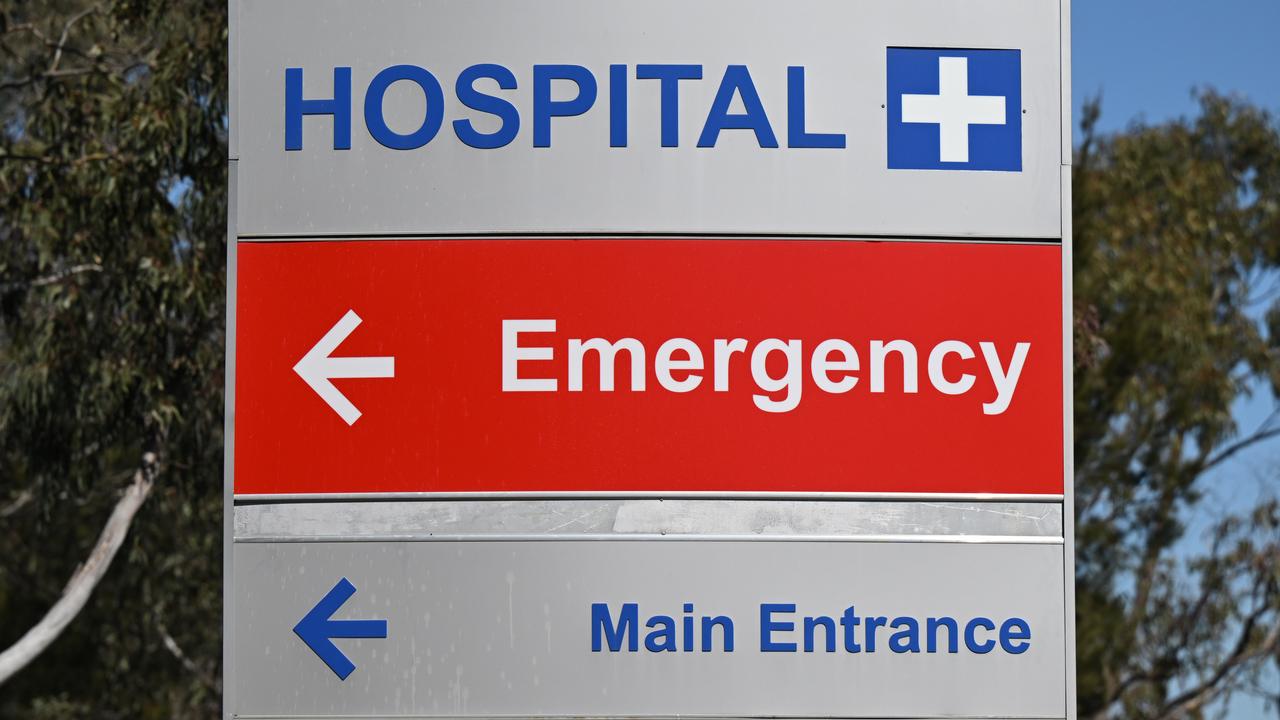
EDs Under Strain: Record Numbers of Patients Leaving Hospitals Without Completing Treatment
Sydney, NSW – A concerning trend is emerging across New South Wales’s emergency departments, with a significant surge in patients opting to leave hospital before receiving the full course of their necessary treatment. Latest data from the Bureau of Health Information (BHI) paints a stark picture of an overloaded system, revealing record numbers of individuals departing emergency departments prematurely.
In the final quarter of 2025, an alarming figure of over 79,000 patients left NSW emergency departments without completing their treatment. This represents a substantial increase of nearly 11,000 individuals compared to the same period in the previous year, 2024. This surge coincides with an all-time high in overall emergency presentations, with 820,009 people seeking care in a single quarter, a figure not seen since 2010.

The situation is particularly worrying for patients with the most urgent clinical conditions. Medical professionals are expressing deep concern over the growing number of individuals with conditions that require specialist attention, often only available within a hospital setting, who are leaving emergency departments. The peak body for doctors in NSW has reported that more than 27,000 such patients departed emergency departments within a three-month span.
Dr. Kathryn Austin, President of the NSW branch of the Australian Medical Association, described the current state of affairs as a “system in crisis.” She voiced her organisation’s frustration, stating, “We are not seeing any tangible plans from the NSW government to deal with the rising tide of patients needing hospital care for increasing complex issues.”
Despite these challenges, NSW Health Minister Ryan Park highlighted a positive shift in the proportion of emergency patients being treated within recommended timeframes when compared to three years prior. He also noted a reduction in overdue surgeries. However, Mr. Park acknowledged that a significant contributor to the backlog within NSW hospitals is “bed block” – a situation where patients are ready for discharge but are awaiting placement in aged care facilities or National Disability Insurance Scheme (NDIS) support.
Addressing the Crisis: Funding and Future Strategies
In an effort to alleviate pressure on state health systems, states and territories reached an agreement with the federal government in January, securing an additional $25 billion in Commonwealth funding. This injection of funds is intended to bolster healthcare services nationwide.
“We’re focused on saving our EDs for the patients who need it most while sparing people who don’t require emergency care an unnecessary wait,” Mr. Park stated, underscoring the commitment to prioritising critical cases.

Federal Health Minister Mark Butler emphasised that the responsibility now lies with the states to determine how this additional funding will be deployed to fulfil promises of enhanced health service delivery. He pointed to progress made in streamlining care for NDIS participants, noting that the average time taken to discharge an NDIS participant from hospital once they are medically ready has been more than halved.
However, BHI statistics reveal that the average length of stay for non-acute episodes in NSW hospitals reached 19.3 days in the last quarter of 2025, marking the longest duration among comparable quarters. This extended length of stay for less critical cases can exacerbate bed block issues.
Innovative solutions are being explored to manage the complex needs of patients awaiting long-term care. South Australia, for instance, established a transition care service at the Adelaide Pullman Hotel last year. This initiative aims to provide care for elderly patients who no longer require acute hospital treatment but face delays in accessing appropriate federal aged care placements. Such models highlight the need for creative approaches to bridge the gap between hospital discharge and suitable community or residential care.