

Navigating the Maze: What “Unlimited” Data Really Means in 2026
The siren song of unlimited mobile data plans continues to echo across the telco landscape, promising boundless connectivity. Yet, for many Australian consumers, this promise often comes with a hidden asterisk, a complex web of restrictions that can leave you feeling less than connected. As we dive deeper into 2026, understanding the true nature of these so-called “unlimited” plans is crucial for anyone relying on a stable mobile internet connection. The marketing gloss frequently obscures a reality defined by speed caps, priority tiers, and usage thresholds that significantly impact your everyday online experience.
This article dissects the key factors shaping modern unrestricted mobile plans, exposing the often-overlooked limitations that affect everything from streaming quality to your ability to use your phone as a hotspot. Let’s peel back the layers and uncover what you’re truly signing up for when you opt for an “infinite” data package in today’s hyperconnected world.
The Fine Print: Fair Usage Policies and Their Impact

Despite the alluring “unlimited” moniker, nearly every mobile plan operates under a Fair Usage Policy (FUP). These policies are the gatekeepers, setting de facto boundaries on your data consumption. Once you surpass a certain threshold – often around 50GB per month on many plans – network providers typically begin to throttle your speeds. This isn’t necessarily malicious; it’s a strategy to prevent network congestion and ensure a more equitable experience for all users. For heavy users, this translates to a noticeable slowdown, making data-intensive activities like streaming high-definition video or large downloads frustratingly sluggish.
Tiers of Access: From Entry-Level to Premium
Mobile carriers offer a spectrum of “unlimited” plans, each catering to different user needs and budgets.
Entry-Level All-Access Data Bundles:
For the budget-conscious consumer, entry-level “unlimited” data offers provide a gateway to constant connectivity. Major providers typically package these basic plans with speeds that are heavily deprioritised. This means that while you have access to data, your connection will likely slow down considerably when the network is busy. These plans are best suited for casual users whose primary online activities involve social media browsing, checking emails, and light web surfing. Premium features and consistently fast speeds are generally not part of this entry-level offering.Mid-Tier Plans:
Sitting between the basic and premium options are the mid-tier plans. These bundles, exemplified by offerings like AT&T’s Unlimited Extra EL with its substantial 75GB premium data allowance, aim to strike a balance. They deliver a more reliable service than their entry-level counterparts, offering a larger chunk of high-speed data before any potential slowdowns occur, all without the hefty price tag of top-tier plans. While speed reductions might still happen after reaching specific thresholds, these plans provide a more robust experience for many users. Furthermore, family plans often present notable per-line savings, making them an attractive option for households.Premium Packages:
For those who demand the ultimate in mobile freedom and performance, true network liberation comes at a premium price point. These exclusive, top-tier unlimited deals are designed to remove virtually all speed restrictions and deprioritisation limits. Subscribers can expect consistently fast connections, allowing for seamless high-definition and even 4K streaming, rapid downloads, and uninterrupted video calls. The higher cost associated with these plans directly translates into a mobile experience with virtually no limits on speed or performance, even during peak network times.
The Hotspot Conundrum: Unlimited Data for Your Devices?
While your phone might boast unlimited data, the ability to share that connection via a mobile hotspot often comes with its own set of distinct limitations. Most “all-access” deals impose a specific cap on high-speed hotspot data, typically ranging from 30GB to 100GB per billing cycle. Once you hit this allowance, the speeds for tethered devices drop dramatically, often to unusable levels, until your next billing cycle begins. This is a critical consideration for users who rely on their mobile device for remote work, streaming videos on other devices, or gaming on the go. Some premium plans, like certain Verizon offerings, do provide a more generous allowance, up to 150GB of 5G hotspot data, but even this is not truly unlimited.
Network Priority: Who Gets the Fastest Lane?
Mobile network carriers actively manage their networks through a system of deprioritisation. Consumers on basic or entry-level plans are the most likely to experience slower connection speeds, especially during periods of high network traffic or peak usage times. This means that even if your plan is labelled “unlimited,” your actual speed can be significantly impacted by the number of people using the network in your vicinity. In contrast, premium subscribers are often shielded from these restrictions, maintaining fast and consistent speeds regardless of network congestion. Entry-level packages, on the other hand, can see their speeds reduced at any time, irrespective of your personal data consumption.
Beyond the Speed: Application-Specific Restrictions

The limitations of “unlimited” data plans don’t always stop at raw speed. Many plans incorporate application-specific constraints designed to manage data usage more granularly. For instance, standard video streaming quality is often capped at a lower resolution, such as 480p. This means that even with a strong signal, your high-definition viewing experience might be compromised. Data-hungry services like online gaming and video conferencing can also be subject to speed penalties after you’ve reached certain usage thresholds. In some cases, unlocking full 4K streaming quality might require you to contact customer service or navigate specific online settings, a process that can be inconvenient and time-consuming.
Roaming and International Use: A Global Caveat

The allure of unlimited data can quickly diminish when you venture beyond your home country’s borders. International roaming policies on “unlimited” plans are notoriously restrictive. Carriers typically cap the amount of high-speed data you can use overseas, often between a mere 5GB and 25GB per month, before significantly slowing down your connection. While some providers, like Verizon, offer a more generous allowance of 15GB of high-speed data valid in a wide range of countries (up to 210), this is still a far cry from true unlimited usage. Heavy international users might find themselves facing aggressive throttling or even requiring a plan review after extended periods abroad.
Speed Consistency and the Reality of Throttling
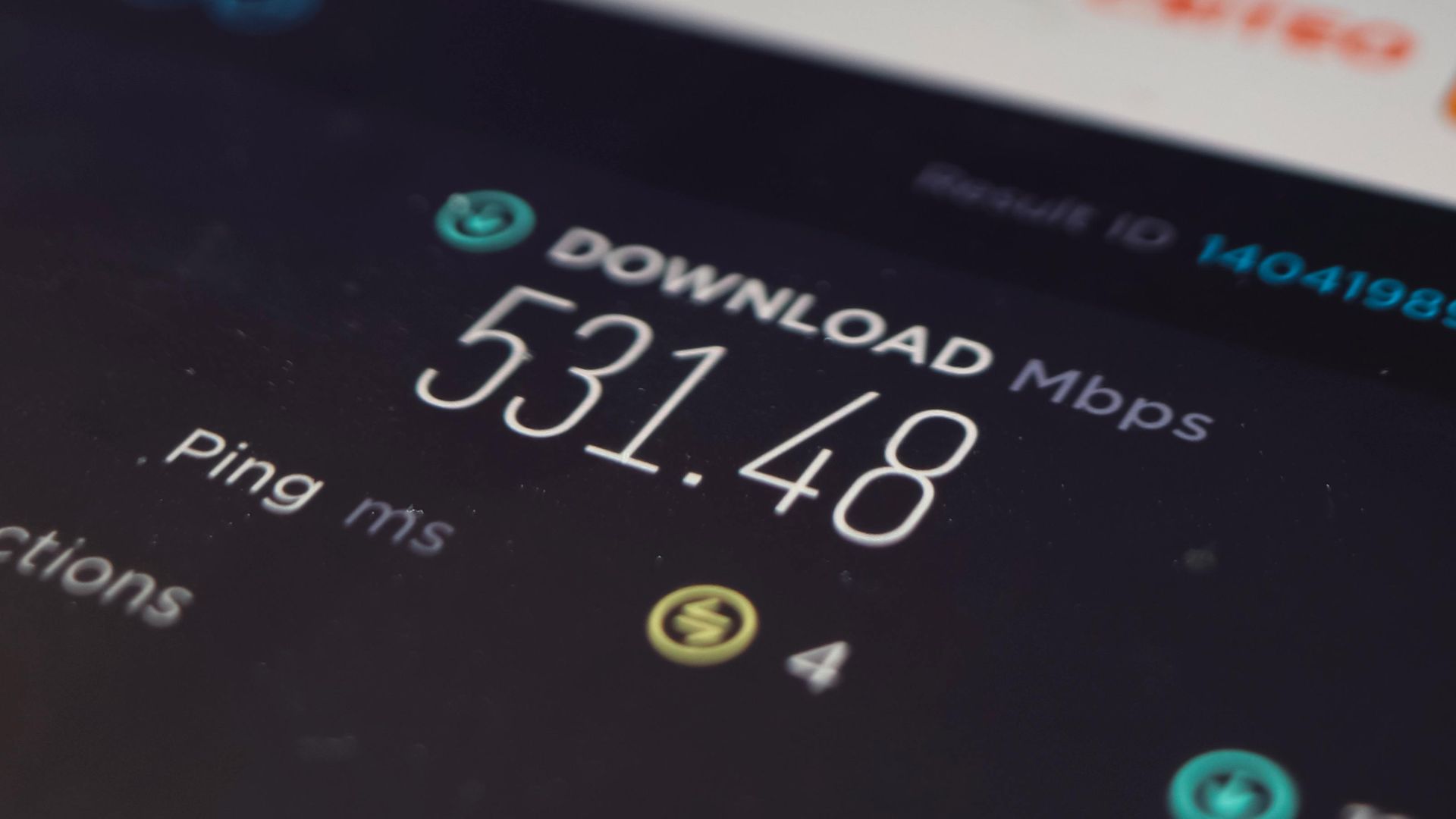
Modern mobile carriers employ throttling as a primary tool for network traffic management. While daily limits are less common, monthly caps are the norm. When your speed is throttled, it can drop to as low as 128-512 kbps. At these speeds, basic tasks like downloading files or streaming video become incredibly challenging, if not impossible. These restrictions are implemented to maintain network stability and ensure that the network can adequately serve all its users. The consistency of your speed is therefore directly tied to your plan’s tier and your proximity to hitting usage thresholds.
Transparency and Regulation: A Move Towards Clarity

Thankfully, there’s a growing movement towards greater transparency in the telecommunications industry. New regulations are being introduced to protect consumers from deceptive marketing practices surrounding “unlimited” data plans. Carriers are now increasingly required to clearly articulate exact speed limitations and network management policies in plain, understandable language. This shift has emerged in response to scrutiny faced by several companies for their previously opaque advertising. Website disclosures are becoming simpler and more direct, aiming to provide consumers with a realistic understanding of the actual service restrictions they can expect before committing to a plan. This increased clarity empowers consumers to make more informed decisions in the complex world of mobile data.


