
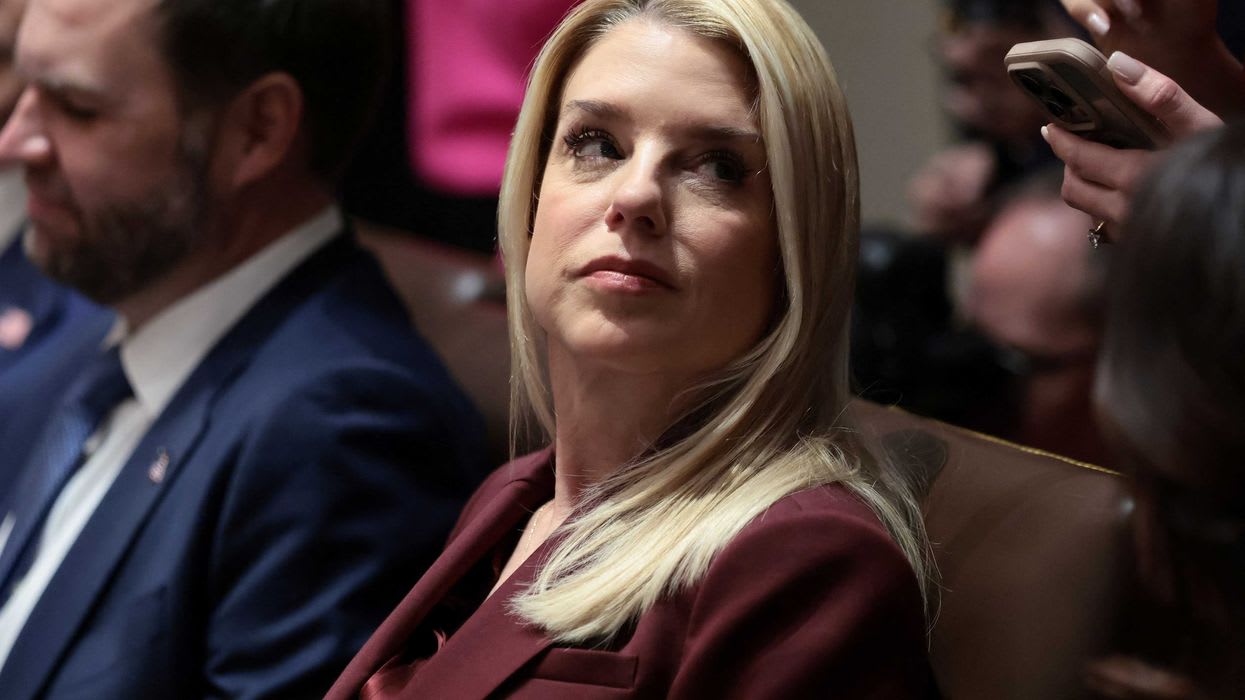
The pronouncements of Attorney-General Pam Bondi on a prominent news channel have ignited a firestorm of debate and criticism across the digital landscape. Appearing on Fox News, Bondi articulated the Trump administration’s focus on “citizenship fraud” and what she termed “aggressive denaturalization efforts.” Her remarks, particularly the assertion that “Being a citizen in our country is a privilege, not a right,” have drawn sharp rebukes from a wide array of commentators and the public alike.
Citizenship: A Right, Not a Privilege
The core of the controversy lies in Bondi’s framing of citizenship as a privilege. This perspective has been widely challenged, with many arguing it fundamentally misunderstands and misrepresents the nature of citizenship in a democratic society.
Constitutional Interpretation: Critics contend that classifying citizenship as a mere privilege directly contradicts established constitutional principles. The argument is that once an individual is a citizen, their status is a protected right, not a discretionary grant that can be arbitrarily bestowed or revoked by any president based on personal judgment. This right is considered absolute and not subject to the whims of political leadership.
Legal Standing: Legal experts and commentators have pointed out that citizenship, by its very definition and legal standing, is a right. This right is typically acquired through birthright or naturalisation, and once obtained, it confers a set of entitlements and protections that are fundamental to an individual’s standing within the nation.
Exclusionary Undertones: Some have interpreted Bondi’s statement, and the administration’s broader stance, as carrying exclusionary undertones. The suggestion that President Trump aims to ensure “everyone in this country who deserves to be here who is a citizen” has been met with scepticism, with some commentators questioning the criteria for “deserving” and fearing it could be used to target specific demographic groups, particularly those of colour. The idea that citizenship is something to be “deserved” rather than an inherent right for those who meet the legal requirements has been a major point of contention.
Public and Professional Reactions
The fallout from Bondi’s comments has been swift and vociferous, with prominent figures and everyday citizens taking to social media and other platforms to voice their strong disagreements.
Heated Social Media Commentary: Platforms like X (formerly Twitter) became a hub for outraged reactions. Former MSNBC host Keith Olbermann, known for his direct style, suggested Bondi should be deported for her “disloyal anti-democracy moron” stance. Political commentator Kelly Scaletta expressed disbelief at the statement, calling it “the dumbest f—— thing anyone has ever said on Fox,” a sentiment echoed by many who found the assertion fundamentally illogical.
Concerns Over Democratic Principles: Stacey Wernick, an operations team lead, highlighted the constitutional disconnect, stating that citizenship is a “protected right – full stop, not something a president gets to hand out or take away based on who they think ‘deserves’ it.” This sentiment underscores a broader concern that the administration’s rhetoric and policies are eroding fundamental democratic principles.
Racial and Ethnic Dimensions: The debate has also touched upon racial and ethnic considerations. Liberal commentator Rodger Williams directly questioned the administration’s intent, asking, “and you mean white people is who Trump wants,” suggesting a potential bias in the interpretation and application of citizenship policies.
Implications for the Supreme Court: Reporter and host Grant Hermes posited that Bondi’s remarks might be a strategic message directed at the Supreme Court, particularly concerning the administration’s stance on birthright citizenship. This interpretation suggests a potential political manoeuvre at play, aiming to influence judicial and public opinion on critical immigration and citizenship issues.
Frustration with Public Discourse: The sheer audacity of such statements from a high-ranking official has also led to expressions of frustration with the quality of public discourse. Software engineer Alex Jewell wryly commented on the “confidence stupid people have to just go on the news and say s— like this,” reflecting a common sentiment of exasperation.
Broader Context and Related Controversies
Pam Bondi’s appearance and statements are not occurring in a vacuum. Her public profile has been associated with other controversies that have drawn significant media attention and scrutiny.
Jack Smith’s Investigation: Reports have suggested that Pam Bondi may have inadvertently revealed information pertinent to investigations led by Special Counsel Jack Smith, particularly concerning former President Trump. The release of certain documents or statements by Bondi has been flagged by some legal analysts as potentially creating “pitfalls” for Trump’s legal defence.
Allegations of Misinformation: Bondi has faced accusations of being a “compulsive liar” in the past, particularly in relation to the handling of sensitive information and public statements. These past criticisms have resurfaced, adding another layer of doubt and concern regarding the veracity and intent behind her current pronouncements.
The discourse surrounding Attorney-General Pam Bondi’s comments highlights a deep-seated societal debate about the meaning of citizenship, the role of government, and the principles that underpin a democratic nation. The strong reactions underscore the gravity with which these concepts are held and the public’s vigilance in scrutinising statements that appear to challenge fundamental rights and established legal frameworks.


