

Formula 1 Grapples with Calendar Shake-up Amidst Middle East Tensions
Formula 1 bosses have officially confirmed that the highly anticipated Grands Prix in Bahrain and Saudi Arabia, originally scheduled for April, will not proceed as planned. This significant decision comes in response to the escalating situation in the Middle East, with FIA President Mohammed Ben Sulayem emphasising the sport’s unwavering commitment to the safety and wellbeing of its global community.
The ongoing geopolitical climate had cast a long shadow over the April 12th and April 19th rounds, making their cancellation a foregone conclusion. The official announcement, made ahead of the Chinese Grand Prix, leaves a substantial five-week gap in the F1 calendar. This void stretches from the Japanese Grand Prix on March 29th to the Miami Grand Prix on May 3rd. While speculation suggests the season might be reduced from its planned 24 races to 22, the possibility of rescheduling the Bahrain and Saudi Arabian events later in the year has not been entirely dismissed.
A formal statement released by the FIA, Formula 1’s international governing body, underscored the thorough evaluation process undertaken. “It has been confirmed today that, after careful evaluations, due to the ongoing situation in the Middle East region, the Bahrain and Saudi Arabian Grands Prix will not take place in April,” the statement read.
The decision-making process involved extensive consultation. “While several alternatives were considered, it was ultimately decided that no substitutions will be made in April,” the FIA confirmed. This also impacts support series, with the FIA Formula 2, FIA Formula 3, and F1 Academy rounds also postponed from their scheduled April slots. The FIA stressed that this decision was made “in full consultation with Formula One Group, local promoters and our member clubs in the region.”
FIA President Mohammed Ben Sulayem articulated the rationale behind the difficult choice. “The FIA will always place the safety and wellbeing of our community and colleagues first,” he stated. “After careful consideration, we have taken this decision with that responsibility firmly in mind.”
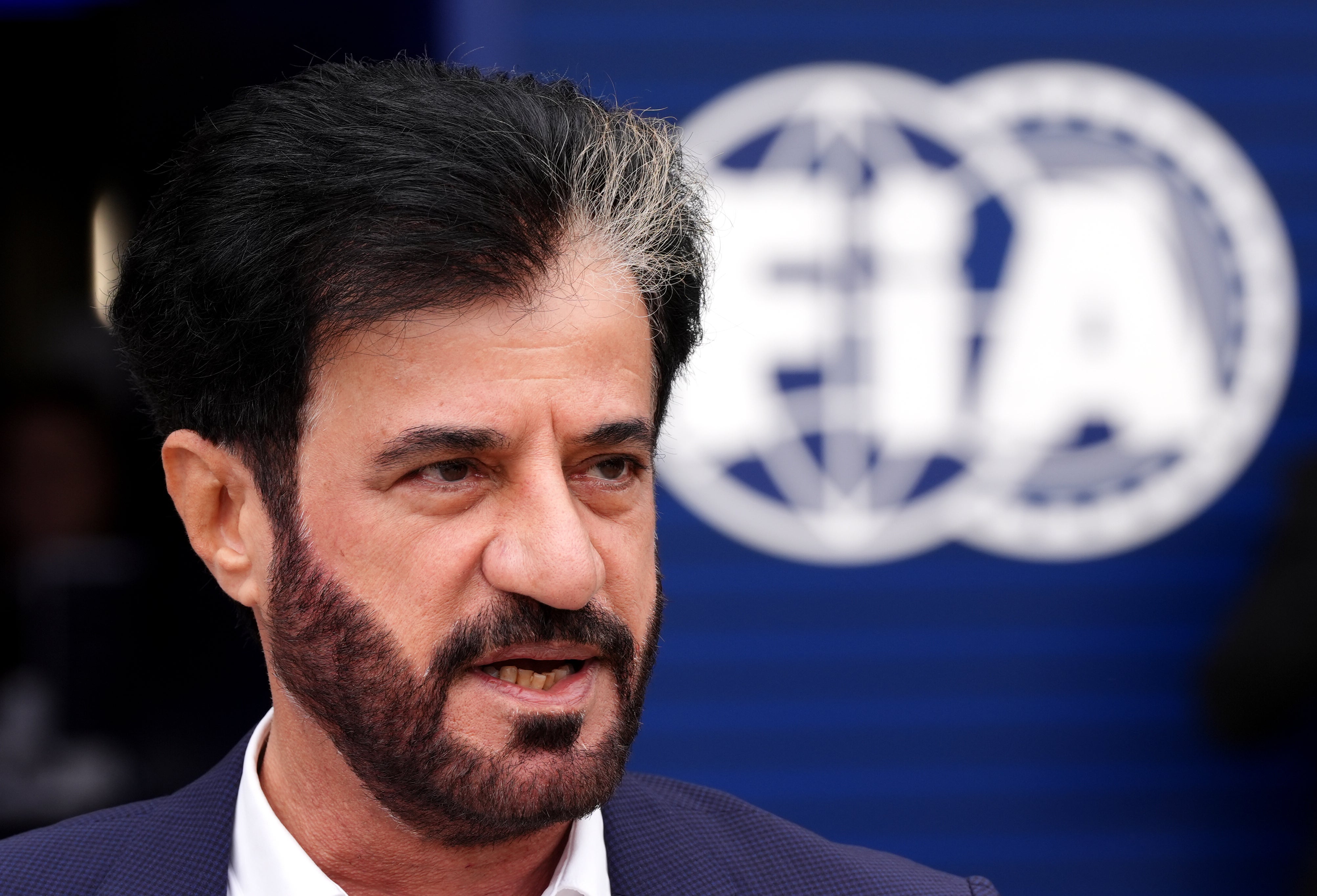
Ben Sulayem continued, expressing his hope for a peaceful resolution. “We continue to hope for calm, safety and a swift return to stability in the region, and my thoughts remain with all those affected by these recent events.” He acknowledged the importance of the affected venues to the F1 ecosystem. “Bahrain and Saudi Arabia are incredibly important to the ecosystem of our racing season, and I look forward to returning to both as soon as circumstances allow.”
The F1 calendar still features two further planned events in the Middle East later in the year: the Qatar Grand Prix on November 29th and the season finale in Abu Dhabi a week later. Formula 1 management remains optimistic that these later races will proceed as scheduled.
Reflecting on the situation earlier in the week, seven-time world champion Lewis Hamilton voiced his confidence in the sport’s leadership. Hamilton, preparing for his grid position at the Chinese Grand Prix, commented, “I know that (F1 CEO) Stefano (Domenicali) will do what is right for all of us and the sport. That is the great thing with having a great leader like him.” His sentiment highlights a trust in the decision-making processes within Formula 1 to navigate complex global challenges while prioritising the safety of its participants and fans. The disruption serves as a stark reminder of the interconnectedness of global events and their impact on international sporting calendars.


