
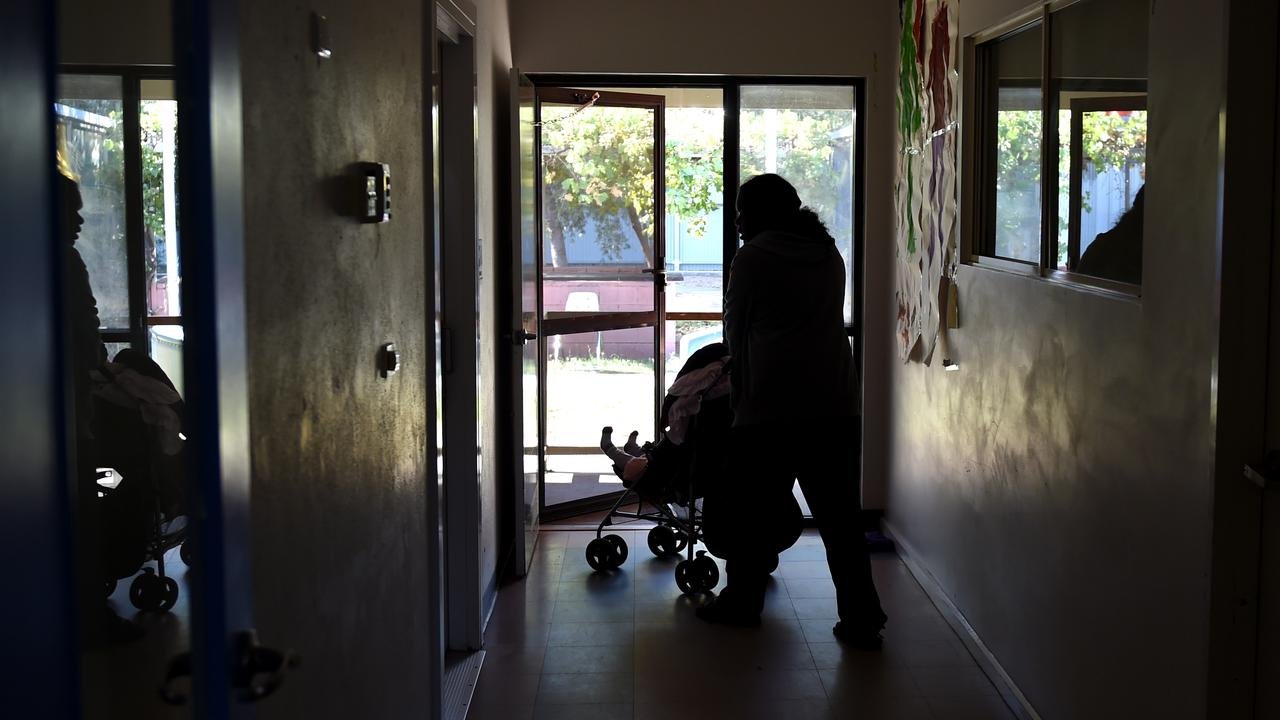
NSW Cracks Down on Domestic Violence Loophole
New legislation in New South Wales is set to close a significant legal loophole that previously allowed perpetrators of domestic violence to evade serious charges, even when terrorising their former partners at their homes. Under the revised laws, individuals who break into a residence where a domestic violence victim survivor lives will face penalties, regardless of whether their name is on the lease or they are a joint property owner. This move comes in direct response to a contentious High Court ruling last year that saw a defendant acquitted of aggravated break and enter charges.
The controversial 2023 High Court decision, a 4-3 split, favoured an offender who forcibly entered his former partner’s home, kicking down a triple-locked door and subsequently assaulting her. The court’s reasoning centred on the fact that the perpetrator was still listed on the property’s lease, thus granting him what was deemed lawful authority to enter, irrespective of the victim’s wishes and despite him having vacated the premises months prior. This judgment highlighted a critical deficiency in NSW’s burglary laws, a gap that other Australian states had addressed years earlier.

Women’s Minister, Jodie Harrison, emphasised that this “narrowly crafted provision” sends an unequivocal message to those who perpetrate domestic and family violence. “Victims of domestic family violence have absolutely had their life shattered. They deserve to be and to feel safe,” she stated to reporters on Wednesday. “Violence is not acceptable. It’s not acceptable to the victim, it’s not acceptable to the community, and it’s not acceptable right across our laws.”
The legislative changes extend beyond just property entry. They will also ensure that an individual is no longer considered an occupant of a residence if legal orders such as a restraining order, a court order, or conditions of bail or parole prohibit them from being there. This measure aims to provide greater protection and clarity for victims who may still be sharing a living space, or have recently left, an abusive relationship.
Supporting Renters and Addressing Homelessness
In addition to strengthening burglary laws, the NSW government has also made significant strides in supporting renters escaping abusive relationships. Earlier in 2025, tenancy reforms were introduced, empowering tenants to leave shared leases due to domestic violence without needing to inform their co-tenants. This change is designed to facilitate quicker and safer exits for individuals in dangerous living situations.
Premier Chris Minns expressed his deep concern over statistics revealing that the fastest-growing demographic of homeless individuals in NSW comprises middle-aged women, many of whom are fleeing violent relationships. Official figures indicate a disturbing reality: approximately 7,700 women are forced to return to perpetrators each year due to a lack of affordable housing options. This underscores the interconnectedness of domestic violence, housing security, and legal protections.

The High Court judgment that prompted these legislative changes, known as BA v The King, involved a man who violently entered his former partner’s home near Canberra in July 2019. During the incident, he physically confronted the woman, shouting at her and destroying her phone as she attempted to call for assistance. While the man pleaded guilty to charges of common assault, intimidation, and destruction of property in the NSW District Court, he contested the more serious charge of aggravated break and enter.
His acquittal on this charge by the District Court led to a successful Crown appeal and an order for a retrial. However, the offender ultimately succeeded in his appeal to Australia’s highest court, leading to the controversial outcome that has now spurred legislative action.
Support Services Available
For those experiencing or at risk of domestic and family violence, a range of support services are available:
- 1800 RESPECT: 1800 737 732
- Lifeline: 13 11 14
- Men’s Referral Service: 1300 766 491


