
Spike in Water Misuse Reports Linked to Drought-Induced Anxiety
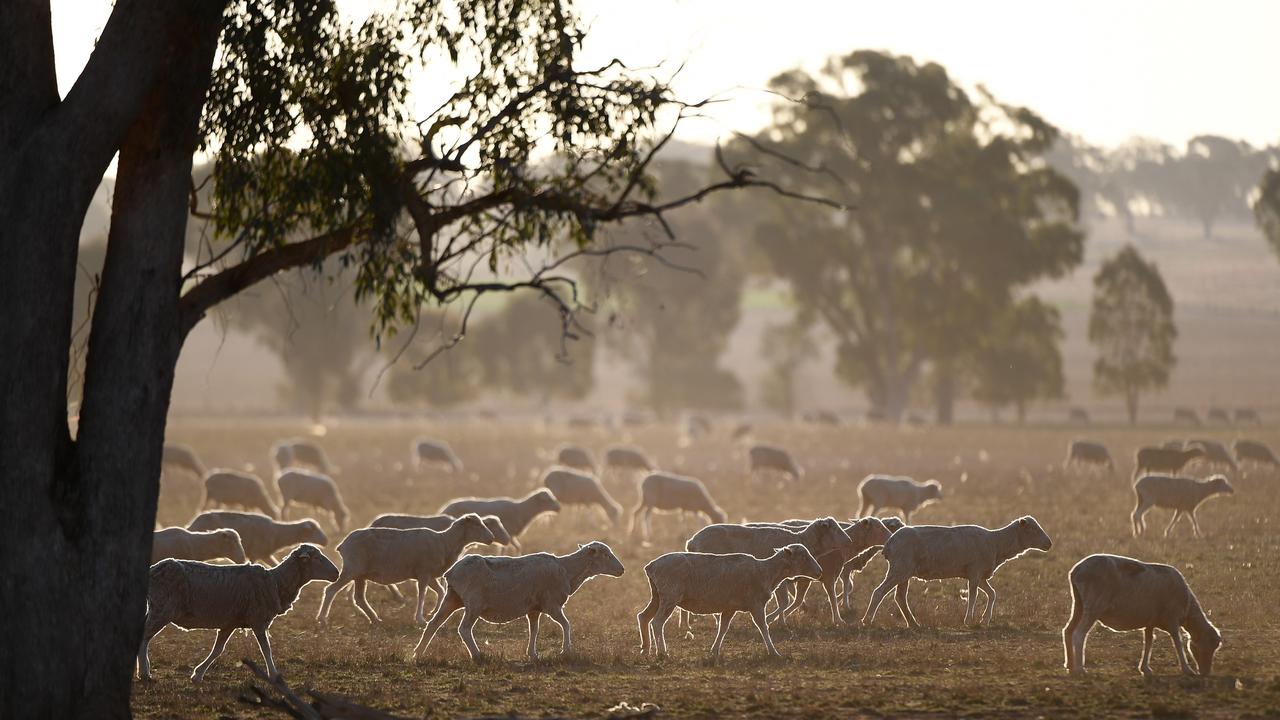
New South Wales is experiencing a significant surge in public reports of suspected water misuse, a trend directly correlated with the heightened anxiety felt across communities due to persistent dry conditions. The state’s water regulator has seen a marked increase in tip-offs, reflecting a community increasingly vigilant about water allocation as rainfall remains critically low.
The Natural Resources Access Regulator (NRAR), the body responsible for ensuring that water licence holders adhere to legal frameworks, typically receives a consistent stream of between 50 and 60 public complaints each month. However, this figure has seen a dramatic escalation following a period of record-low rainfall. In February, the NRAR recorded 84 tip-offs, followed by 88 in March, and a further 72 in April.
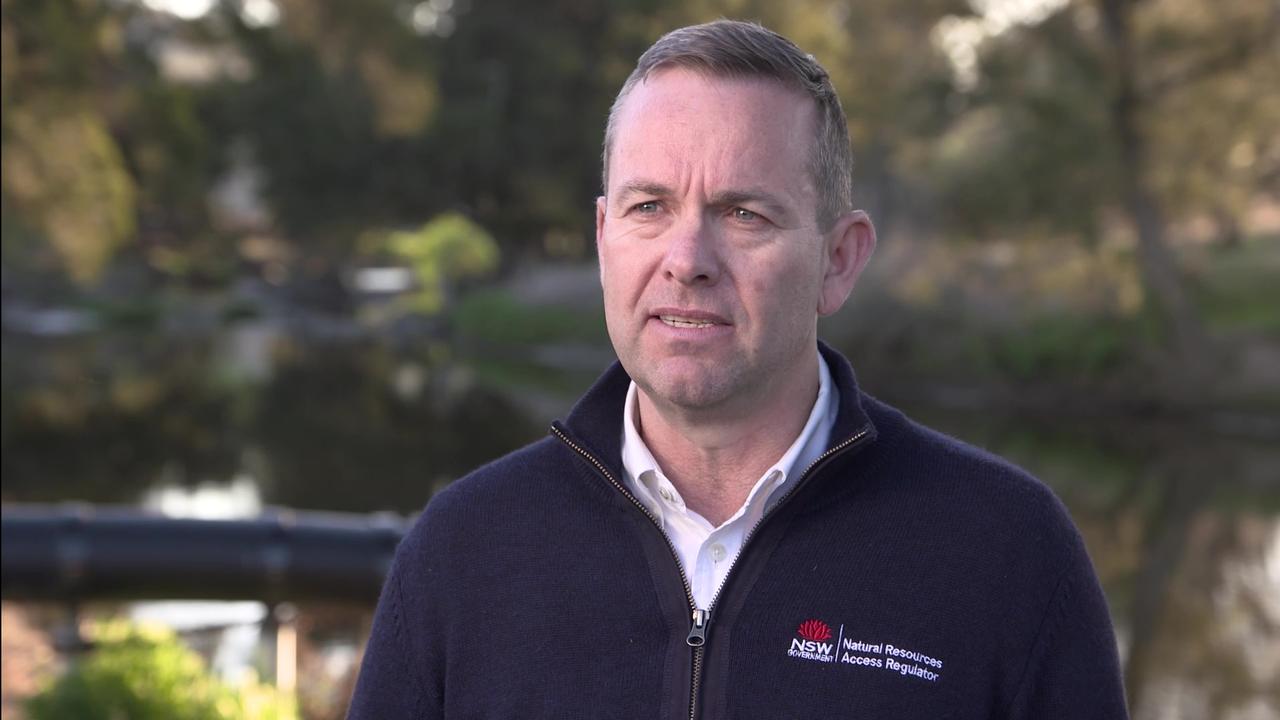
Grant Barnes, the regulator’s chief, acknowledged the correlation, stating, “When conditions are dry, there is a heightened anxiety amongst the community and the scrutiny does increase.” He elaborated on the fundamental principle behind these concerns: “If you take more than your share, you’re taking it off your neighbour, your community, the environment.”
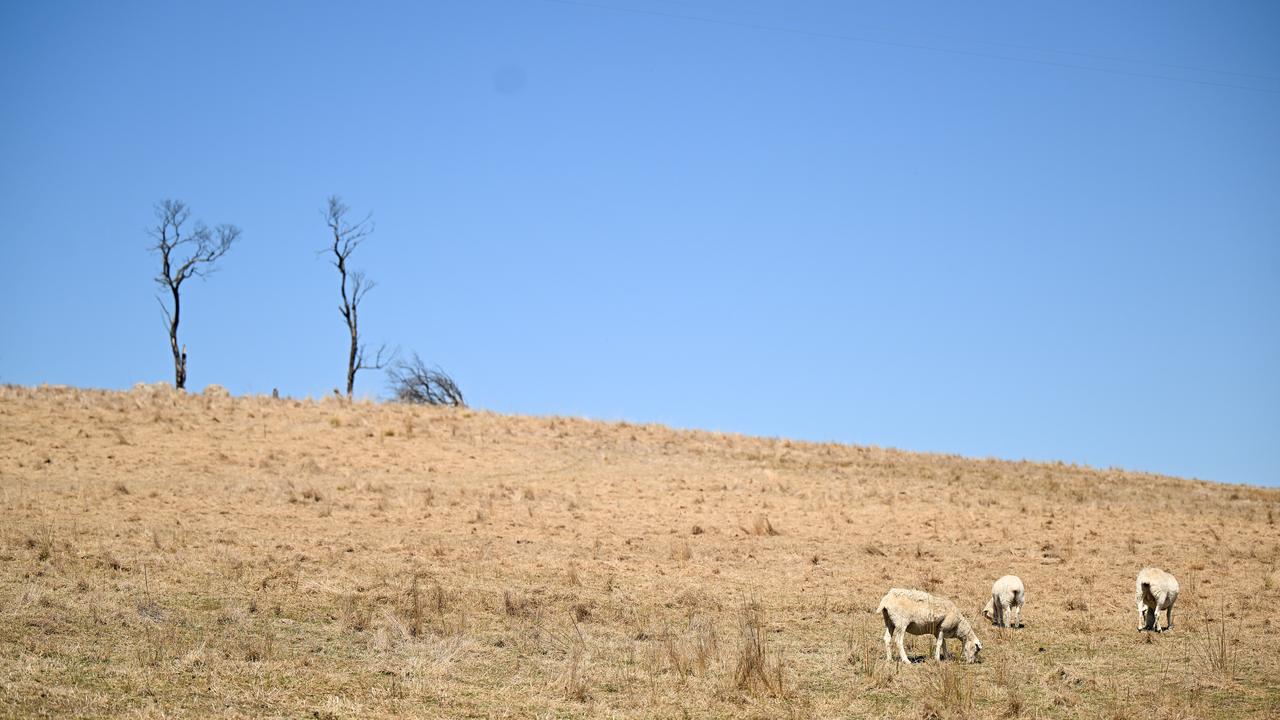
The nature of these public reports highlights a range of alleged transgressions. Common concerns include:
- Modifications to natural waterways: Reports of creeks and streams being altered.
- Unauthorised dam construction or enlargement: Dams being expanded without proper permits.
- Illegal pumping activities: Pumps observed operating during prohibited hours, such as at night.
- Diversion of water for unlicensed purposes: Water being used for activities not covered by an existing licence.
It is important to note that entities extracting water from rivers or lakes for commercial or public supply purposes – a category encompassing farmers, mining companies, and local councils – are legally obligated to possess the appropriate water licence.
Public Vigilance and the Challenge of Regulation
Mr. Barnes emphasised that while a small fraction of individuals may be deliberately breaking the law for personal financial gain, the surge in reports indicates a broader community intolerance for water misuse. This increased public scrutiny serves as a powerful deterrent and signals a collective desire for equitable water distribution.
However, a different perspective has been offered by Madeleine Hartley, chief of the NSW Irrigators Council. She suggests that the rise in reported incidents might also stem from a degree of confusion surrounding the complex web of water regulations.
Ms. Hartley pointed out that farmers are generally supportive of water use rules but are often inundated with a multitude of regulatory bodies, an extensive array of laws, and frequently changing water restrictions. She highlighted that the ongoing drought has led to numerous recent adjustments in regulatory frameworks, further complicating matters.
“The potential for confusion in the community is large, and that’s concerning,” Ms. Hartley remarked. “The laws are very complex.” She underscored the close proximity in which water-using individuals and those subject to complaints often live and work, particularly in rural communities.
To address these concerns, the NSW Irrigators Council chief called for greater clarity and simplification of water use laws, particularly for one of the state’s most vital economic sectors. “Water users are just trying to get on the job of farming and producing food and fibre that we all eat and wear,” she stated, emphasising the essential role of agriculture.
Lingering Drought Conditions and Support Services
The Bureau of Meteorology has forecast below-average rainfall across southern, central, and eastern Australia, a pattern expected to persist until the end of August. This outlook means that more than half of New South Wales remains officially drought-affected, prolonging the challenging conditions for water users.
In times of stress and uncertainty, it is crucial for individuals to have access to support services. For those experiencing mental health difficulties, the following services are available:
- Lifeline: 13 11 14
- Beyondblue: 1300 22 4636