
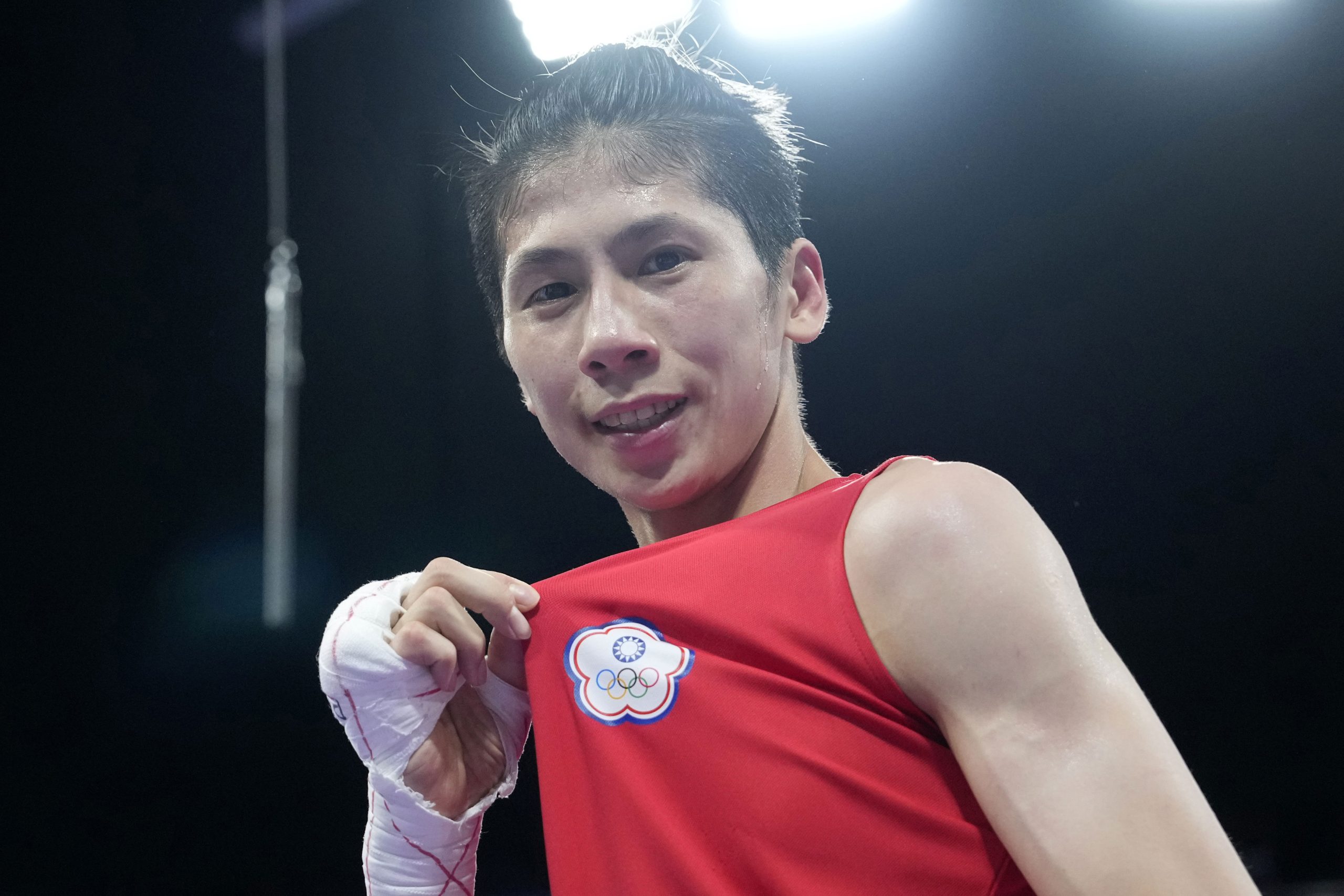
Lin Yu-ting Cleared to Compete After Sex Eligibility Review
Olympic gold medal-winning boxer Lin Yu-ting from Taiwan has been given the green light to return to competition at the Asian Boxing Championships. This decision comes after a thorough review of her sex eligibility by World Boxing, the governing body for boxing at the Olympic level. The announcement was made on Friday ahead of the Asian championships, which are set to begin on March 29 in Mongolia.
Lin and Imane Khelif of Algeria both secured gold medals at the 2024 Paris Olympics, but their victories were met with international scrutiny and misunderstandings regarding their gender. Although both athletes met the eligibility criteria established by the International Olympic Committee (IOC) at the time, their success sparked a politically charged debate about the standards used to determine eligibility.
A Controversial Debate
The controversy surrounding Lin and Khelif’s participation highlights the ongoing challenges in defining gender eligibility in sports. While the IOC had its own set of rules, the introduction of new policies by World Boxing has added another layer of complexity to the issue.
World Boxing took over as the sport’s governing body last year and introduced a sex eligibility policy in August. This policy requires all fighters to undergo a one-time genetic test that identifies the presence of a Y chromosome. Since the implementation of this test, Lin has been absent from several international competitions.
World Boxing did not disclose the results of Lin’s test but mentioned that the Chinese Taipei Boxing Association had initiated an appeal process for one of its boxers following a test last year.
Statement from World Boxing
In a statement, World Boxing secretary general Tom Dielen acknowledged the difficulties faced by Lin and the Chinese Taipei Boxing Association during the appeal process. He praised their approach and their recognition of the need for World Boxing to ensure that its eligibility policy is correctly implemented and followed.
“We recognise that this has been a difficult period for the boxer and the CTBA and appreciate the way they have approached the appeal process and their acknowledgment of World Boxing’s requirement to ensure that its eligibility policy, which is designed to deliver safety and sporting integrity, has been correctly implemented and followed,” Dielen said.
Imane Khelif’s Situation
Imane Khelif, who also won a gold medal at the Paris Olympics, has not competed in World Boxing-sanctioned events since the implementation of the genetic test. However, she has expressed her desire to return to Olympic-level boxing.
Khelif plans to make her professional boxing debut in April, which is allowed under current regulations. Professional fighters can still compete in the Olympics, although there are ongoing discussions about the implications of this rule.
Historical Context of Chromosome Testing
Chromosome testing was once common in Olympic sports during the 20th century but was largely abandoned in the 1990s due to the complexities associated with differences in sex development. These ambiguities made it difficult to resolve issues using genetic tests alone.
Additional Evaluation for Athletes
Alongside its appeal process, World Boxing offers additional analysis and evaluation for athletes who have Y chromosome genetic material and wish to compete in women’s categories. This includes genetic screening, hormonal profiles, anatomical examinations, and further evaluation of endocrine profiles by medical specialists.
This comprehensive approach aims to ensure fairness and integrity in the sport while addressing the unique challenges posed by variations in sex development. As the debate over gender eligibility continues, World Boxing remains committed to maintaining high standards of safety and fairness for all athletes.


