
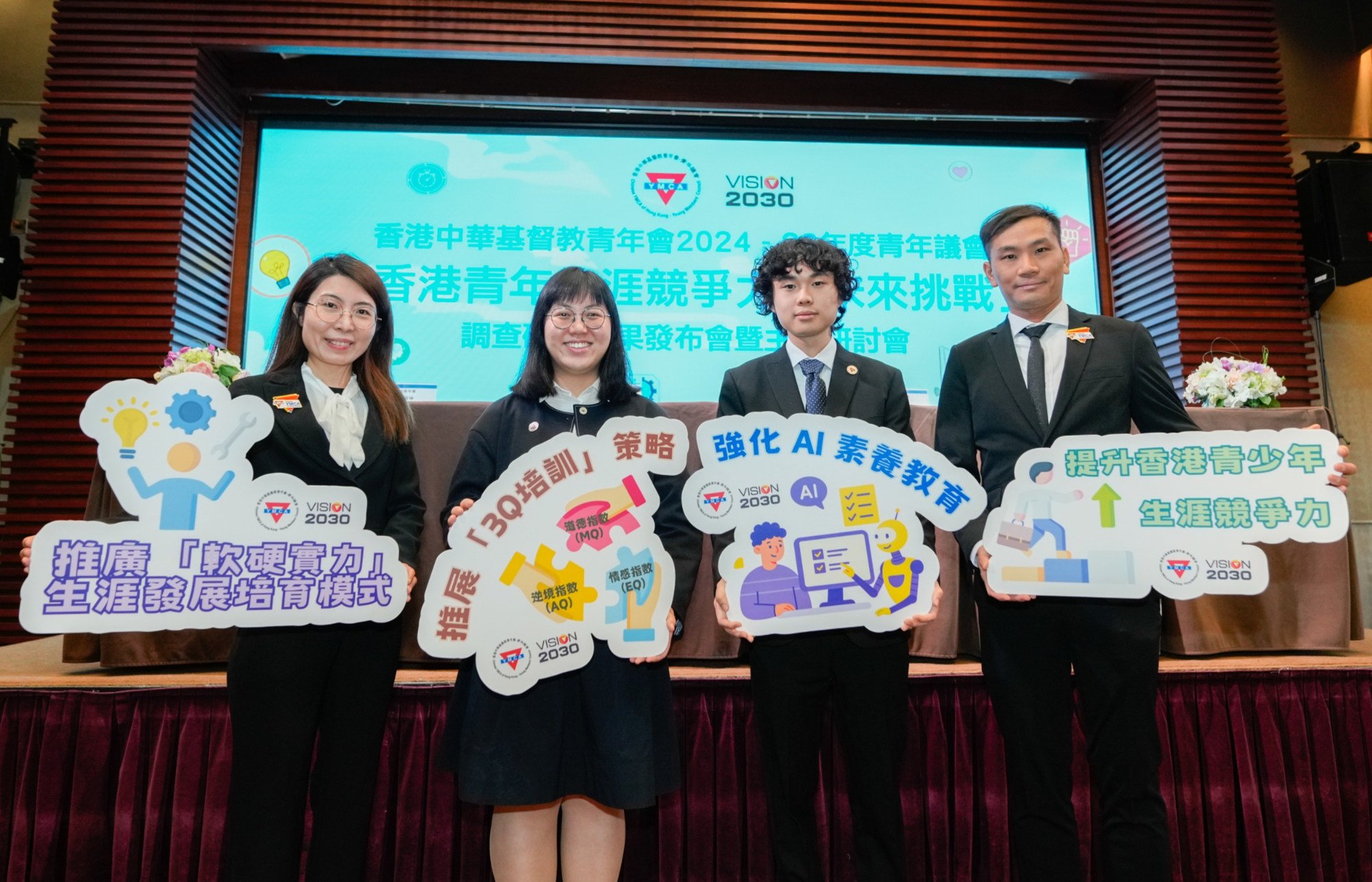
Hong Kong’s Generation Z Grapples with AI’s Workplace Impact
A significant portion of Hong Kong’s young adults, commonly known as Generation Z or “Zoomers,” are expressing apprehension about their ability to compete in a job market increasingly shaped by artificial intelligence. A recent survey conducted by the Chinese YMCA of Hong Kong reveals that over 60 per cent of respondents aged 15 to 30 fear that AI’s rapid advancement will outpace their own professional capabilities.
The survey, which interviewed 1,178 Hongkongers between May and September 2025, aimed to gauge the perceived competitiveness and future challenges facing the city’s youth. The findings underscore a widespread concern regarding AI’s integration into the workforce and a notable lack of familiarity with the technology itself.
Key Survey Findings:
AI Competitiveness Concerns:
- Nearly 20 per cent of respondents “strongly agreed” that AI would negatively impact their competitiveness.
- An additional 42.5 per cent “agreed” with this sentiment.
- Conversely, only a small minority, 3.2 per cent, “disagreed,” with a mere 1.7 per cent “strongly disagreeing.”
AI Literacy Gap:
- Approximately 30 per cent of young Hongkongers surveyed admitted they do not know how to use AI tools effectively.
- Only 11.5 per cent of respondents felt “very familiar” with AI technology.
Career and Academic Planning:
- A substantial 43 per cent of participants indicated that they would factor in the development of AI when making decisions about their academic courses or future career paths.
- A considerable 68 per cent of respondents cited concerns that AI could render the skills they acquire through education or on-the-job training obsolete.
The survey also delved into how these young individuals perceive their own skill sets across various domains. When asked to rate their abilities on a scale of one to five, with five being the highest, respondents provided the following average scores:
- Technological Knowledge: 3.03 (This was the lowest-rated among the five major skills evaluated.)
- Professional Skills: 3.11 (The second-lowest rating.)
- Critical Thinking: 3.48
- Communication Skills: 3.45
- Moral Character: 3.66 (This received the highest average score.)
These self-assessments highlight a perceived gap in technological and professional competencies, which aligns with the broader anxieties surrounding AI’s growing influence.
Recommendations for Enhanced AI Education
In response to these findings, Steve Chung Chun-yan, assistant principal programme secretary at the Chinese YMCA, emphasized the critical need for more comprehensive AI education within Hong Kong’s school system. He advocated for the adoption of a “human-machine symbiosis” approach in both secondary and tertiary education.
Chung proposed the development of an “intelligence-based AI literacy framework” for students, suggesting that AI should be more deeply integrated into the existing curriculum rather than treated as a standalone subject.
“Rather than treating AI as a separate technological skill added to the curriculum for students to learn, we should incorporate AI applications in the curriculum and use more of it to help equip our young people with skills that are needed when they enter the workplace,” Chung stated.
Furthermore, the organization called for increased efforts to promote the responsible and ethical use of AI among young people, ensuring they are equipped not only with technical understanding but also with the ethical considerations surrounding this powerful technology.
Generation Z, generally defined as individuals born between the late 1990s and the early 2010s, are widely recognized as the first cohort of “digital natives,” having grown up immersed in the digital world from their earliest years. This survey suggests that despite their digital upbringing, a significant portion of this demographic feels unprepared for the AI-driven future of work.


