Fuel Security Assurances Amidst Global Tensions: What You Need to Know
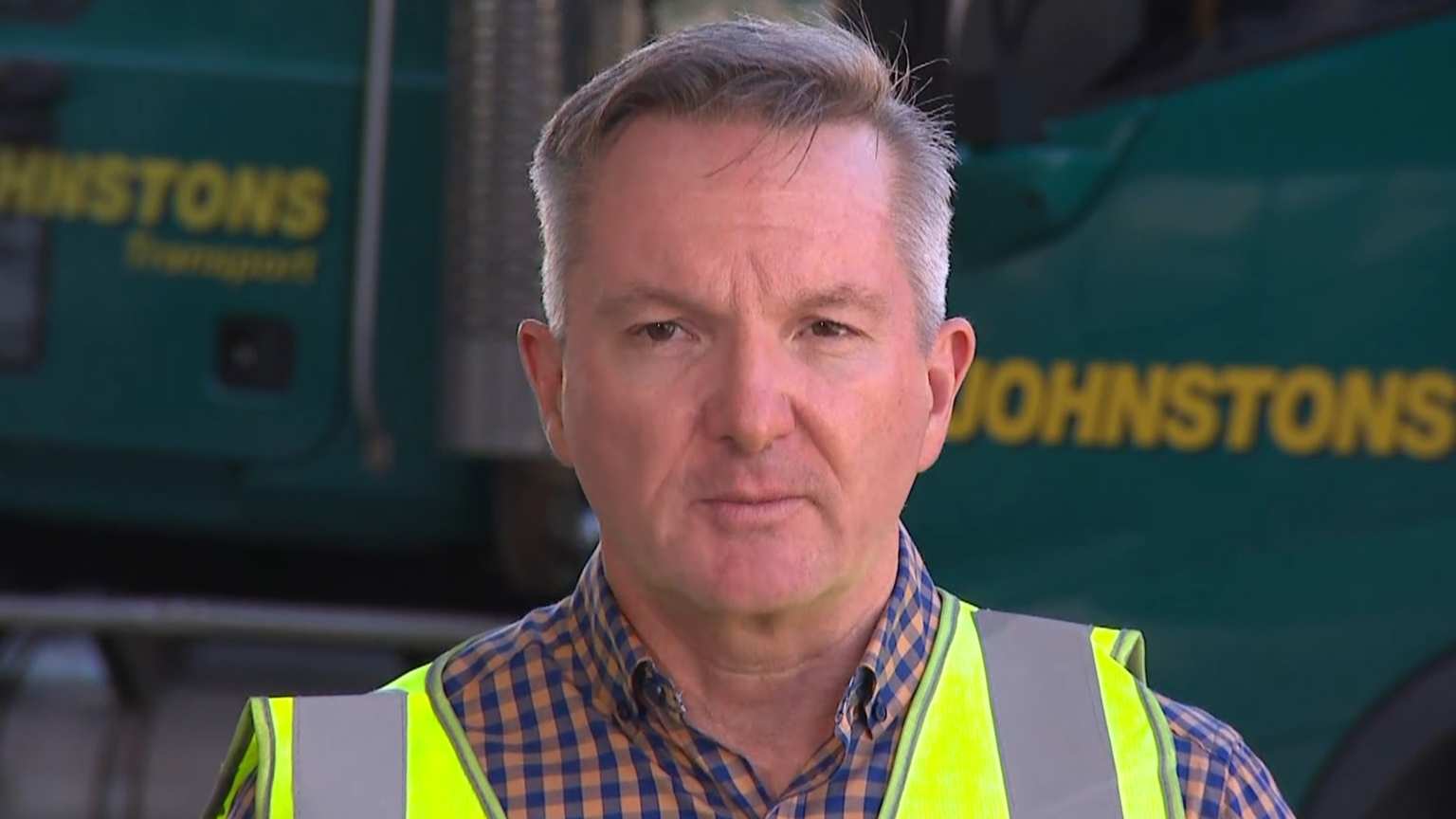
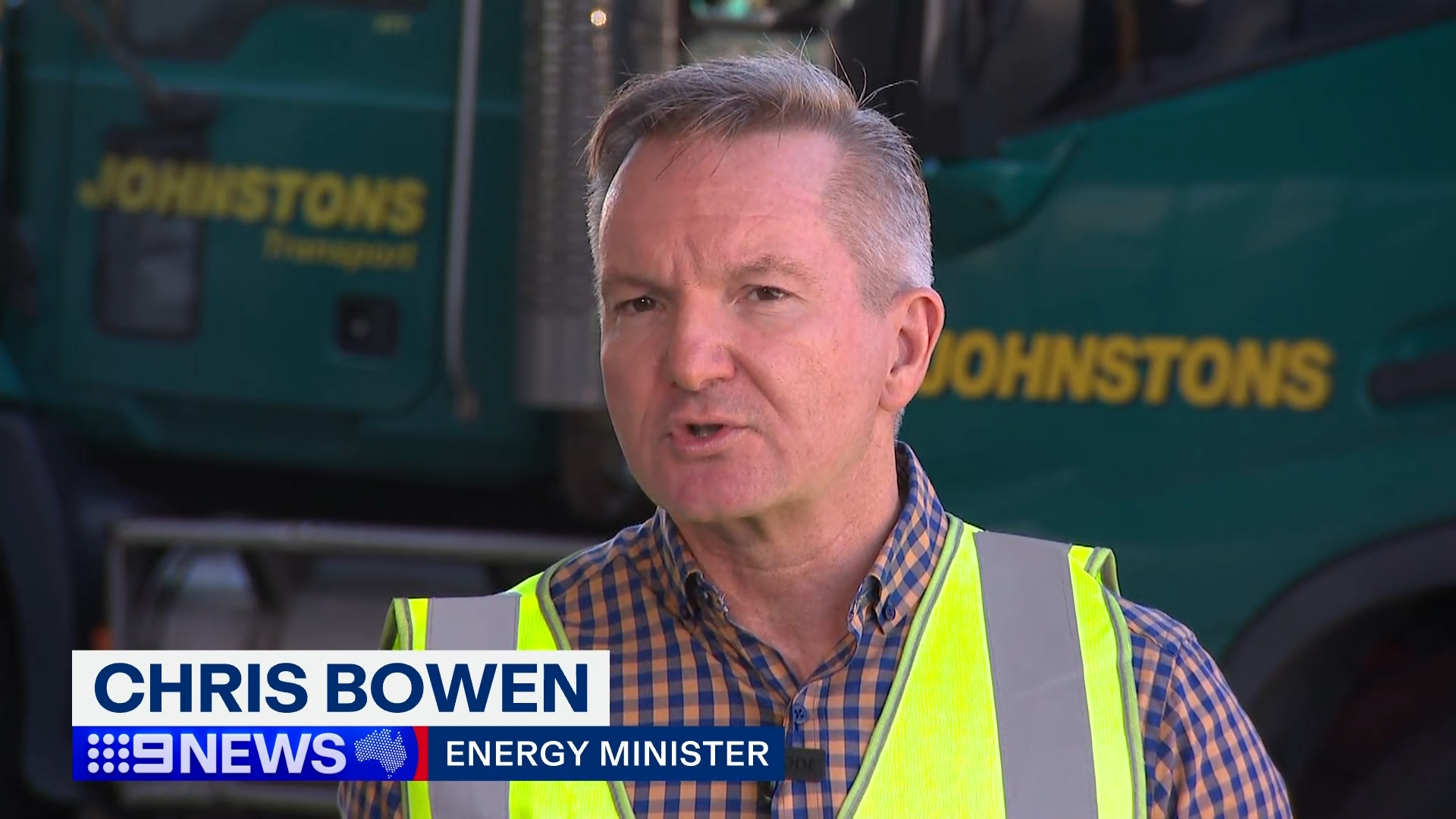
The Australian government has been actively reassuring the public that the nation is not facing an imminent petrol shortage, despite ongoing global crises impacting supply chains. Energy Minister Chris Bowen has stated that fuel reserves remain “steady compared to last week,” with all expected shipments of petrol and diesel arriving as planned. He emphasised that Australia’s refineries are operating and that the supply of fuel has been consistent with expectations, urging Australians to avoid panic buying.
“We have received all our expected shipping of petrol and diesel, that our refineries continue to work, and indeed, the supply of petrol has been secure, and has been just as expected,” Minister Bowen said.
Currently, Australia holds significant fuel reserves:
* 1.6 billion litres of petrol
* 2.7 billion litres of diesel
* 800 million litres of jet fuel
These figures translate to approximately 37 days of petrol, 30 days of diesel, and 29 days of jet fuel.
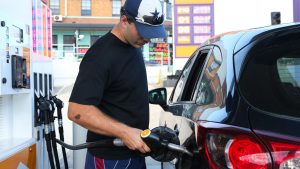
While the national picture appears stable, Minister Bowen acknowledged that “real and unacceptable shortages” have been observed in rural and regional areas, attributing these to a “massive explosion in demand.” This has led to some drivers being turned away from service stations and significant price increases at the pump, understandably causing concern among consumers.
Expert Perspectives on Australia’s Fuel Supply
Independent economist Saul Eslake has indicated that while Australia is unlikely to completely run out of petrol, the risk, though small, is higher than in previous years. He noted that the current situation differs from past global events like the Gulf Wars or the Russian invasion of Ukraine, which also triggered price spikes.
“I don’t think it will. But the probability is not zero,” Mr Eslake commented. “It’s higher than it was in 2022, in 2004 and 1991.”
To address localised supply disruptions, the government has recently released up to 20 per cent of the baseline minimum stockholding obligation for petrol and diesel. This measure is part of a broader strategy that includes temporarily amending fuel quality standards and authorising cooperation among fuel companies to resolve supply bottlenecks.
“This is on top of other actions including temporarily amending fuel quality standards and supporting ACCC authorisation so fuel companies can coordinate supply and unlock bottlenecks,” Minister Bowen stated. “We will keep acting to support communities and keep Australia moving.”
Domestic Refining and Global Dependencies
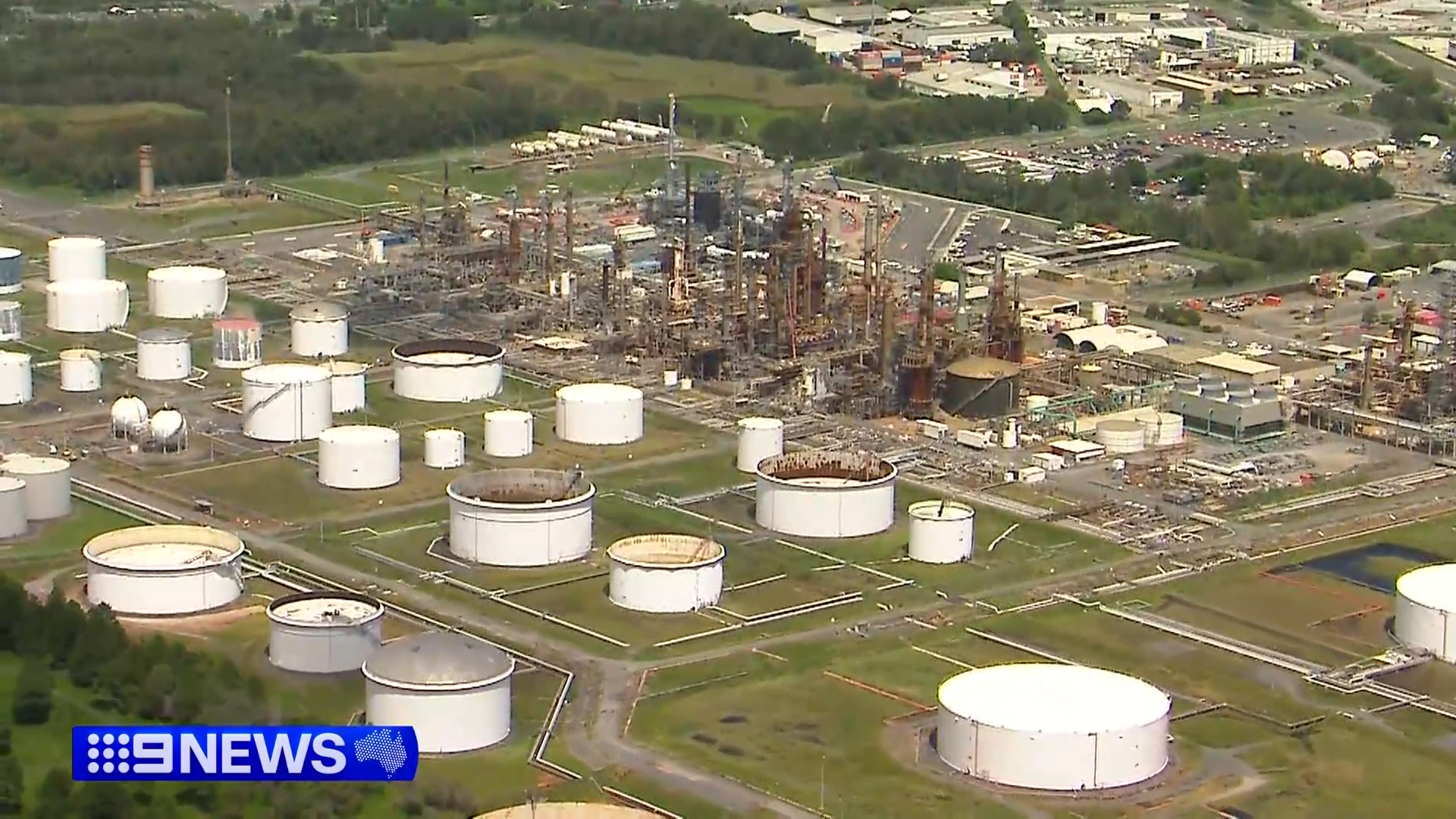
Australia currently operates two oil refineries, one in Brisbane and another in Geelong. Both are supported by federal government subsidies, and further announcements regarding these facilities are anticipated soon. Minister Bowen has publicly vowed that no refinery will close under the current Albanese Government.
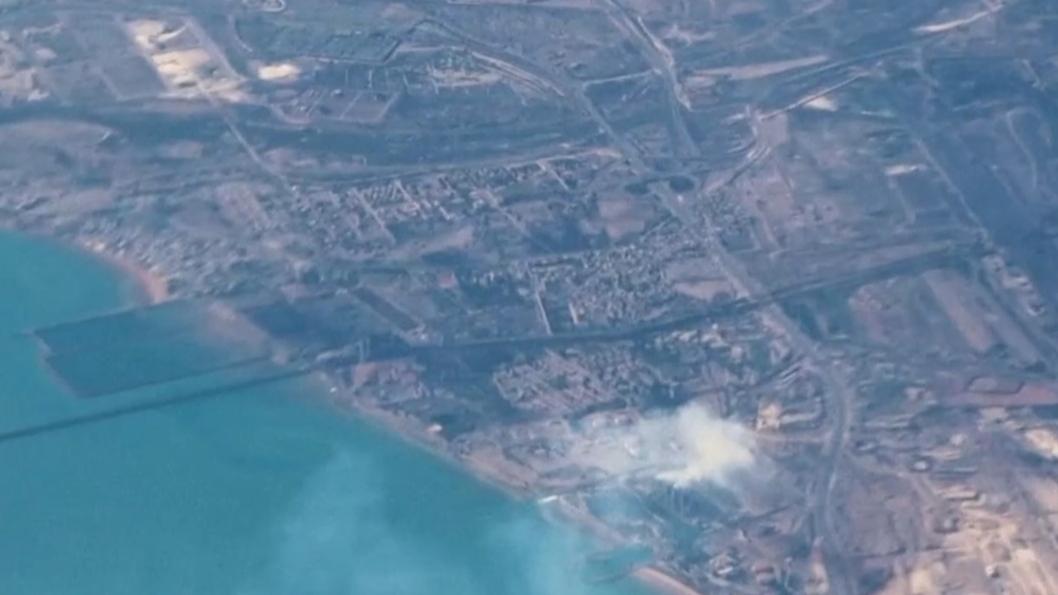
However, the reality is that Australia has seen the closure of six domestic oil refineries over the past two decades. This has resulted in the nation importing approximately 90 per cent of its oil needs. The ongoing geopolitical situation, including the disruption of shipping in the Strait of Hormuz, means that the countries Australia relies on for refined fuel are also facing their own supply challenges.
Australia primarily imports refined fuel, with very little coming directly from the Persian Gulf region. Key import partners for petrol and diesel include:
* South Korea ($12.75 billion)
* Singapore ($8.5 billion)
* Malaysia
* India
* Taiwan
* China
* Brunei
* Japan
While imports from the United Arab Emirates (UAE) and Oman are comparatively smaller, the origin of the crude oil processed by these refining nations is a critical consideration. Much of the oil refined by South Korea for Australia’s supply originates from Middle Eastern countries like Saudi Arabia, Iraq, the UAE, Kuwait, Qatar, and Oman. Similarly, over a third of Singapore’s oil is sourced from Arab nations.
Crude Oil Imports and Net Energy Position
In 2024, Australia imported $7 billion worth of crude oil. However, only a small fraction of this comes from the Strait of Hormuz. The largest sources of crude oil for Australia in 2024 were:
* Malaysia
* Vietnam
* Brunei
* The United States
The UAE supplied a modest six per cent of crude oil imports, with no other Arab states directly selling crude oil to Australia that year. It is also noteworthy that Australia exports nearly as much crude oil as it imports.
AMP economist My Bui expressed a lack of significant concern about Australia running out of petrol, highlighting the country’s position as a net energy exporter due to its substantial exports of LNG and coal, despite importing a large portion of its refined petrol from Asia.
Strategic Reserves and Future Concerns
A significant point of concern raised by Mr. Eslake relates to Australia’s strategic fuel reserves. A substantial portion of these reserves is not held domestically but in the United States. He warned that if these reserves were required by the US, they could be recalled, potentially impacting Australia’s supply. Mr. Eslake pointed to past administrations’ policies as an indicator that such actions might be prioritised for domestic needs.
The economic rationale behind Australia’s import strategy is that it is more cost-effective to export crude oil and import refined products. Australia lacks the domestic refining capacity to process all its fuel needs, and increasing this capacity would likely lead to higher prices at the pump.
Even with sufficient fuel in the country, global market dynamics mean that prices are largely dictated by international oil prices. A barrel of oil in the Middle East will command the same price as one in Australia, meaning domestic supply levels alone do not guarantee lower prices.