
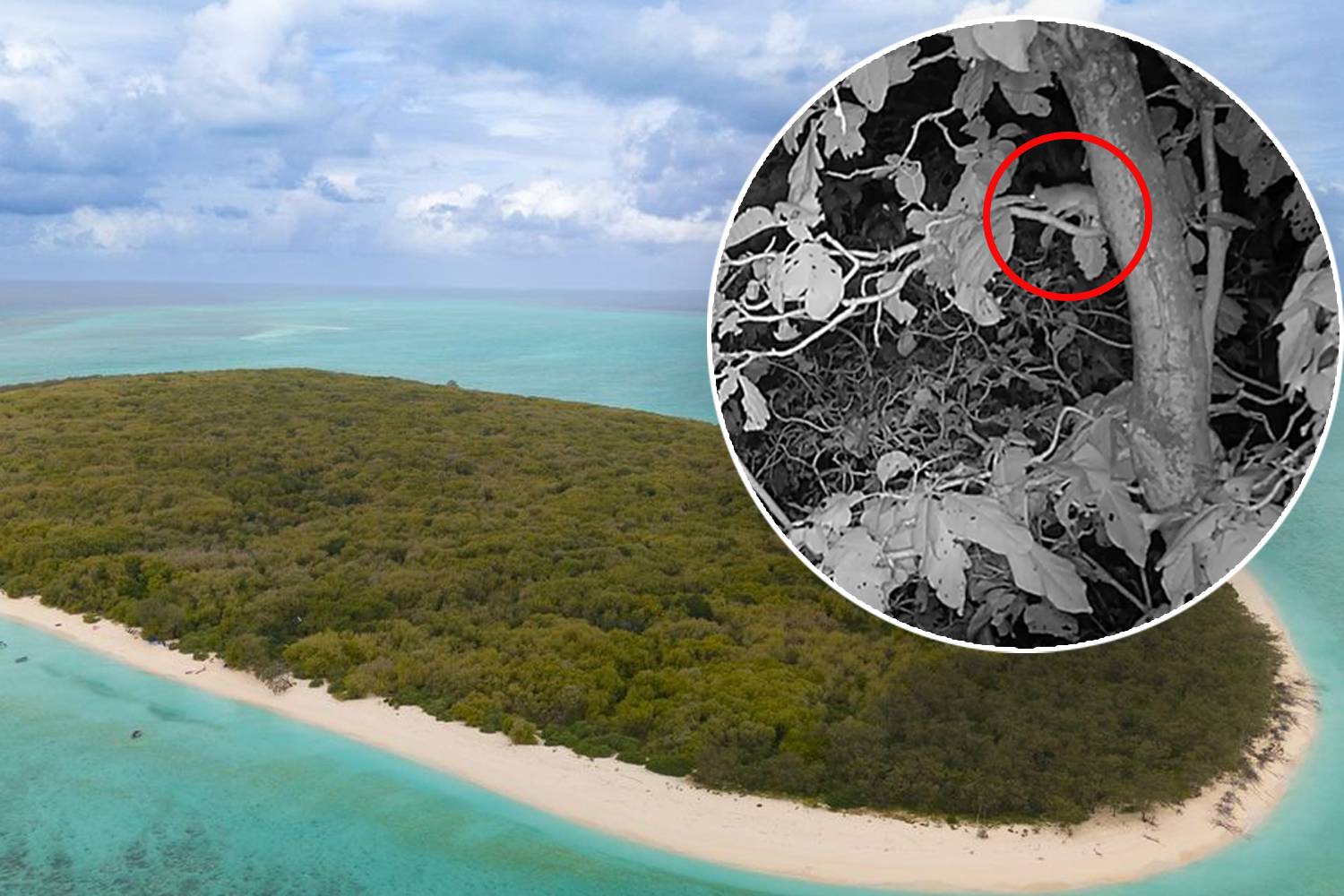
Island Paradise Reclaims Its Native Residents: Black Rat Eradication a Major Win for Great Barrier Reef Ecosystem
A significant victory for Australia’s precious wildlife has been announced off the Queensland coast, with a vital island ecosystem now declared free of a persistent and destructive invasive pest. This success story on North West Island, a jewel within the Great Barrier Reef, marks a crucial step forward in the nation’s ongoing struggle against introduced species that threaten native biodiversity.
Following an intensive 18-month campaign, the island has officially been declared free of invasive black rats. This achievement is a tremendous boon for the island’s vulnerable turtle and seabird populations, which have long been at the mercy of these unwelcome predators.
Rangers from the Queensland Parks and Wildlife Service (QPWS), working in close collaboration with the Gidarjil Land and Sea Rangers, confirmed the successful eradication. Their diligent efforts involved a year of rigorous post-treatment monitoring, utilising an array of sophisticated tools including remote cameras and Black Trakka traps to ensure no rats remained.
North West Island, an integral part of the Capricornia Cays National Park, is situated approximately 75 kilometres northeast of Gladstone. It serves as a critical breeding ground for some of Australia’s most significant seabird and turtle rookeries, making its ecological health paramount.
In light of this momentous achievement, visitors to North West Island are being strongly encouraged to exercise extreme vigilance. It is imperative that all boats, camping gear, and equipment are thoroughly checked for any potential stowaway pests before arriving on the island, to safeguard against any future reintroductions and maintain its hard-won rat-free status.
The Silent Arrival and Devastating Impact of Black Rats
The unwelcome presence of black rats on North West Island was first noted by observant campground hosts in November 2022. These rodents are notoriously adept at causing widespread damage to isolated island environments, and once confirmed, rangers quickly discovered they had already spread across the island.
Without intervention, the reproductive capacity of black rats is staggering. A single breeding pair can generate thousands of offspring within a year. These prolific pests then pose a direct threat to native wildlife, preying on eggs, devouring chicks and hatchlings, and decimating native vegetation that forms the foundation of the island’s ecosystem.
Senior Ranger Damon Shearer explained the strategic approach taken to combat the infestation. “Given the island’s size and challenging terrain, delivering bait via helicopter proved to be the most effective method for widespread dispersal,” he stated. “However, we also strategically deployed bait stations and employed trapping techniques to provide an extra layer of protection for our more vulnerable seabird and turtle species.”
Shearer further elaborated on the adaptive nature of the operation. “We continuously adjusted our tactics based on the changing behaviour of the rats. The outstanding results we’re seeing today are a testament to that flexibility and dedication.”
This rat outbreak was particularly disheartening as the island had, just three months prior, celebrated the successful eradication of mice. The swift re-emergence of a new rodent threat underscored the persistent challenges faced in protecting these delicate environments. However, through meticulous planning and unwavering commitment from the ranger teams, their sustained efforts have ultimately paid off, culminating in a full 12 months of no reported rat sightings.


A National Challenge: Invasive Species Threaten Australia’s Unique Wildlife
The successful eradication of black rats on North West Island serves as a powerful illustration of a broader, ongoing challenge confronting Australia. Invasive species continue to pose a significant and persistent threat to the nation’s unique native wildlife and its fragile ecosystems.
From the widespread impact of rabbits and foxes on the mainland to the insidious spread of rodents on offshore islands, these introduced pests can severely outcompete native species for resources or directly prey upon them. The consequences are often devastating, leading to population declines and necessitating costly and resource-intensive eradication programs.
The ambitious eradication project on North West Island was a collaborative effort, spearheaded by QPWS and the Reef Authority under the umbrella of the Reef Joint Field Management Program. Crucially, the initiative was made possible through funding from the Australian government’s Reef Trust, with invaluable additional support provided by Australia Pacific LNG, QGC, and Santos GLNG.

The fight against invasive species is a continuous one, and vigilance is key. If you encounter or suspect the presence of feral animals, you can report them by calling 13 74 68 (13 QGOV). Your reports are vital in helping to protect Australia’s precious natural heritage.

