
Australia Grapples with Fuel Security as Global Tensions Escalate
Australia is currently facing significant challenges in securing its fuel reserves, a situation exacerbated by ongoing conflicts in the Middle East. The nation’s reliance on international supply chains has been thrown into sharp relief, prompting a reassessment of strategic reserves and domestic refining capabilities.
The government recently announced the release of approximately six days’ worth of petrol and five days of diesel from its emergency stockpile. This marks the first time these reserves have been tapped since Russia’s invasion of Ukraine, highlighting the growing global instability impacting energy markets. Fuel prices have seen a steep increase, largely driven by concerns over Iran’s potential blockade of the Strait of Hormuz, a critical chokepoint for global oil transit, responsible for roughly a fifth of the world’s oil supply.
Political Commentary and Strategic Shortcomings
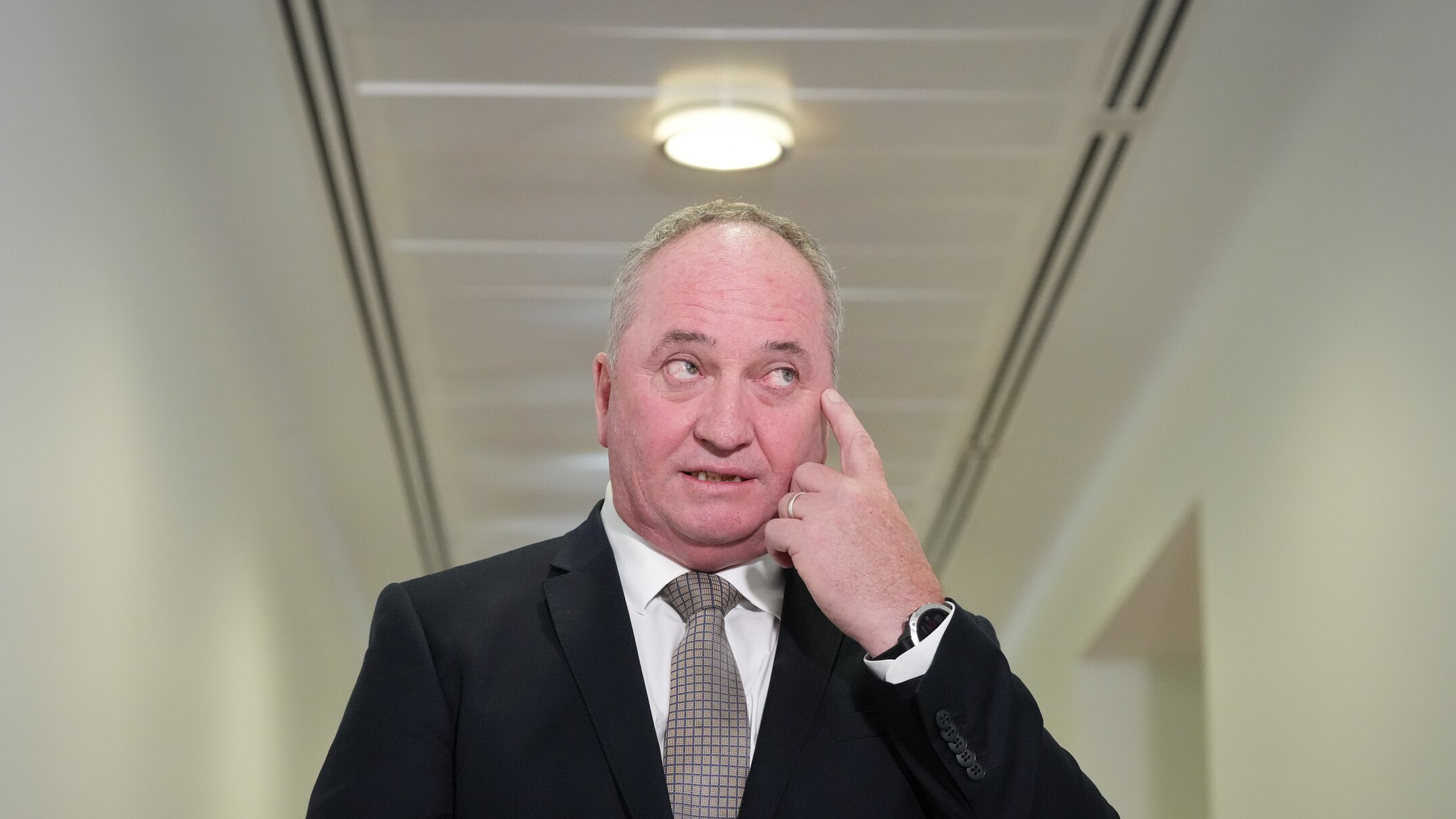
Barnaby Joyce, former deputy prime minister and now a member of One Nation, has voiced his regret over the previous Coalition government’s perceived inaction on bolstering fuel reserves. He criticised the current government for lacking a clear strategy to address the unfolding crisis, while simultaneously acknowledging that the reserves were indeed lower during the Coalition’s tenure.
“I remember having the argument when they were talking about putting it [fuel reserve] in Texas, I hope I’m not disclosing cabinet, saying ‘I don’t think that’s going to work’,” Mr. Joyce stated, referring to a past government initiative. “It was trying to comply with the IEA in a sneaky way, and it didn’t work.”
In 2020, the Coalition government proposed establishing a strategic fuel reserve on American soil, aiming to meet the 90-day minimum requirement stipulated by international agreements. This move was justified by then-Energy Minister Angus Taylor as an “extraordinary” opportunity amidst historically low fuel prices. However, the Labor party at the time argued that an overseas reserve would do little to alleviate concerns about Australia’s vulnerability to international disruptions.
Mr. Joyce elaborated on this point, stating, “The first thing about doing something stupid is acknowledging it and continuing to do it. Now, the Coalition at the time did something stupid. Right now, they’re not going to do anything about it. The Labor Party can’t say, ‘Well, it’s your stupid decision’ … how about you just get your refineries going again.”
Calls for Action and Global Cooperation
The One Nation MP has advocated for more decisive measures, including the rationing of fuel supplies and the deployment of a naval vessel to the Strait of Hormuz, in response to a call from then-US President Donald Trump for international assistance in securing the waterway. While it is understood that Australia has not yet received a formal request from the United States for naval support, Mr. Joyce stressed the importance of collective action.
“You have to be part of a global effort if you are part of a beneficiary of it being resolved,” he commented.
Current Fuel Stockpiles and Inflationary Concerns
As of Friday, Australia’s fuel reserves stood at:
- Petrol: 36 days’ worth
- Jet Fuel: 29 days’ worth
- Diesel: 32 days’ worth
These figures remain above the minimum requirements set by the government in 2023.
Despite these holdings, Treasurer Jim Chalmers has cautioned that an prolonged and severe conflict in the Middle East could trigger a significant spike in inflation. He indicated that current forecasts suggest inflation could peak in the mid-to-high four percent range if the situation deteriorates.
“But there’s a little way to run yet and the biggest variable, the source of the most extraordinary volatility in our forecast … is really how long this drags out for,” Mr. Chalmers told Sky News.
An analysis prepared for the government, and reviewed by the ABC, projects that headline inflation could be 0.5 percentage points higher in the June quarter of 2026 if crude oil prices average $US100 a barrel for a three-month period.
“We’ve seen in the last few months that the global oil price has gone from around $60 to $120. The last time I looked last night, it was trading a bit over $100,” Mr. Chalmers noted, acknowledging the direct impact on petrol prices at the pump globally.
The current geopolitical climate underscores the urgent need for Australia to not only maintain adequate strategic fuel reserves but also to explore long-term solutions for energy security, including the potential revitalisation of domestic refining capabilities and diversification of supply sources. The ripple effects of international conflicts are clearly being felt at home, impacting both consumers and businesses.


