
Navigating the Sneezes: Identifying and Managing Hay Fever in Australian Children
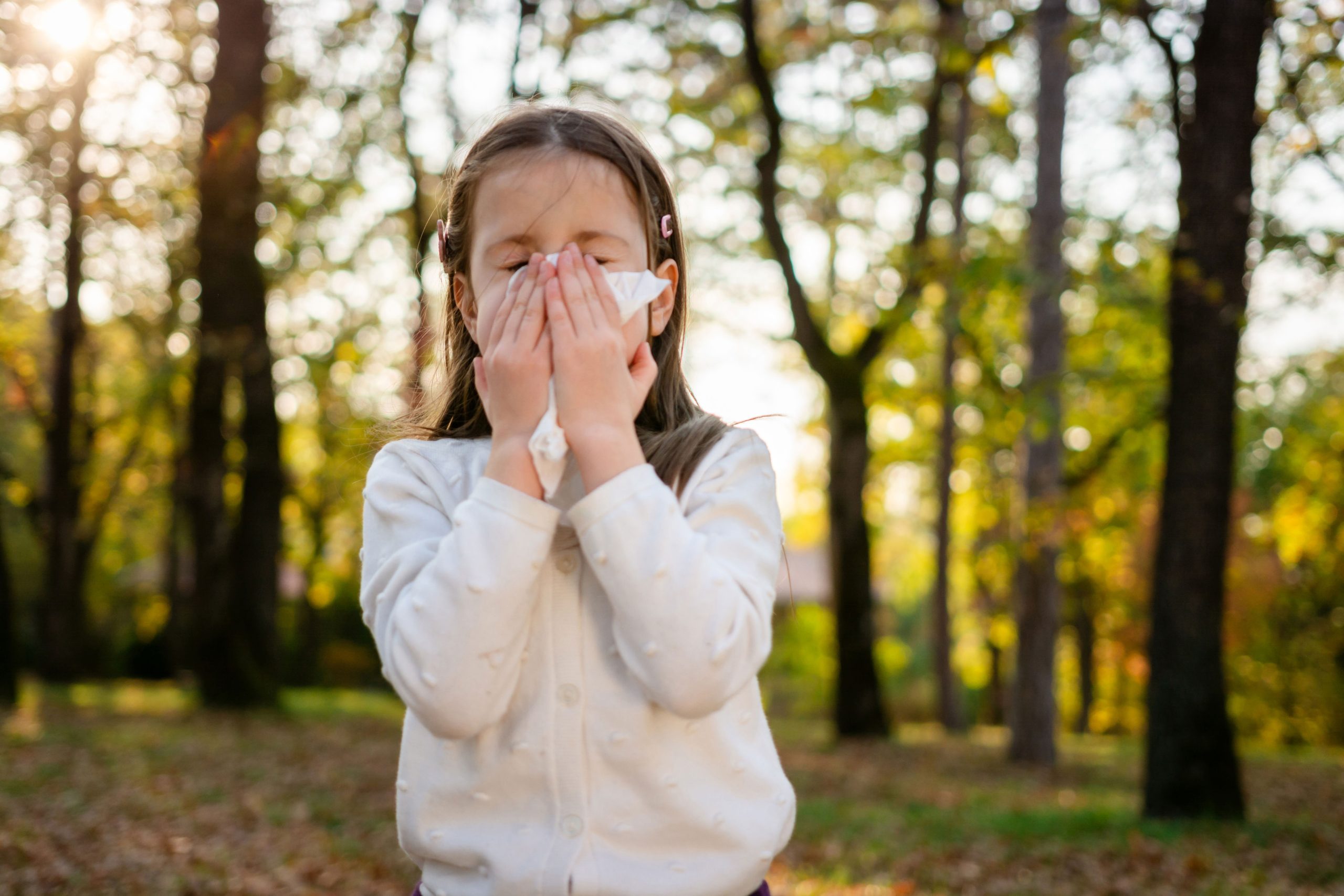
It can be a bewildering experience for parents: their child is sneezing, has a runny nose, and watery eyes, but is it just a common cold, or something more persistent like hay fever? For children as young as two, distinguishing between these ailments can be a challenge, significantly impacting how effectively symptoms are managed. Hay fever, medically known as allergic rhinitis, is an immune system’s overreaction to airborne particles like pollen, dust mites, or even tiny flecks of animal dander and saliva. Its tell-tale signs – sneezing fits, a congested or dripping nose, and itchy, red, watery eyes – can eerily mimic those of a common cold, leaving parents guessing.
Understanding the Two Faces of Hay Fever
Hay fever typically presents in two forms: seasonal and perennial.
- Perennial Hay Fever: This persistent form occurs throughout the year. Its triggers are often found indoors, such as dust mites, animal dander and saliva, and mould spores.
- Seasonal Hay Fever: More commonly encountered, this type is a reaction to pollens released by grasses, trees, and weeds. The timing of seasonal hay fever can vary significantly across Australia, influenced by local climate and plant life. For instance, Melbourne and Hobart might experience high pollen counts in October and November, while Adelaide, Sydney, and Canberra see a surge throughout spring and summer. Further north, Brisbane and Darwin can face elevated pollen levels for much of the year.
Can Little Ones Suffer from Hay Fever?
The short answer is yes. According to Australian health resources, children can indeed develop both seasonal and perennial hay fever. When a child inhales pollens they are allergic to, their immune system can trigger an inflammatory response, leading to irritation of the eyes, sinuses, and nasal passages. The likelihood of a child developing hay fever is also influenced by genetics; having one or both parents with allergies increases their risk.
Professor Peter Wark, Director of the National Asthma Council Australia, notes that symptoms of allergic rhinitis often begin to appear in children after the age of two, with most experiencing them before they turn six. This period coincides with the development of allergic responses to common allergens like dust mites and grasses.
Spotting the Signs: Hay Fever Symptoms in Children
The symptoms of hay fever in children often mirror those experienced by adults:
- A runny nose accompanied by frequent sniffing.
- A blocked or stuffy nose.
- Mouth breathing, particularly noticeable during sleep.
- Repeated sneezing.
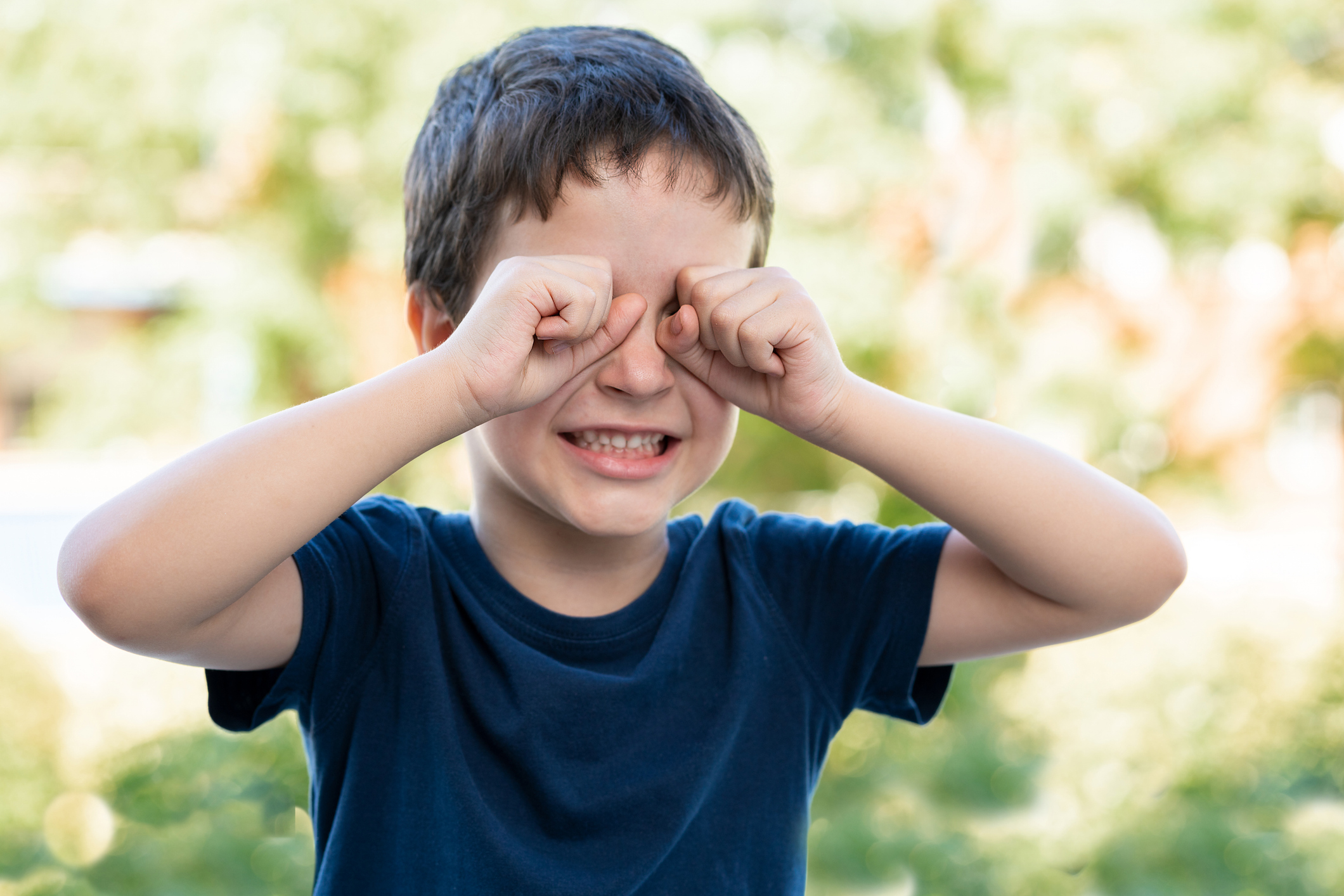
- Itching in the eyes, nose, the roof of the mouth, and the back of the throat.
- Red, sore, and watery eyes.
The Royal Children’s Hospital in Melbourne also highlights additional symptoms that can manifest in children with hay fever:
- Headaches.
- Disturbed sleep patterns.
- Exacerbation of existing asthma symptoms.
- Difficulties with concentration and learning.
- Bad breath, a husky voice, or a persistent sore throat.
- Eye infections, often a consequence of excessive eye-rubbing due to itchiness.

Hay Fever vs. The Common Cold: Decoding the Differences
Distinguishing between hay fever and a cold in young children can be tricky, as many symptoms overlap, particularly a runny or blocked nose and sneezing. However, Professor Wark points to several subtle indicators:
- Nasal Discharge: Hay fever is more commonly associated with a clear, watery nasal discharge. Colds, on the other hand, often present with nasal discharge that turns yellow or green as the illness progresses.
- Itchiness: Itchy eyes, nose, and throat are strong indicators of hay fever. While colds can cause some discomfort, intense itching is less typical.
- Timing and Triggers: Hay fever symptoms often appear suddenly upon exposure to allergens and can fluctuate depending on environmental factors. A cold or viral infection tends to produce more constant symptoms and may be accompanied by a fever.
- Fever: A body temperature of 38 degrees Celsius or higher is a significant sign that a child likely has a viral infection like a cold or flu, rather than hay fever.
- Associated Symptoms: Colds, influenza, and other viral illnesses frequently come with additional symptoms such as chills, body aches, a sore throat, a cough, and a general feeling of malaise. These are less common with hay fever.
- Duration: Cold and flu symptoms typically resolve within one to two weeks. Hay fever symptoms, however, can linger for much longer, often persisting as long as the allergen is present.
If you’re still unsure, consider the onset of symptoms and the health of other family members. If no one else is unwell and symptoms began with the start of spring, hay fever is a strong possibility. Similarly, if other family members have known allergies and your child develops similar symptoms concurrently, it could be a clue.
Watery eyes can occur with both conditions, but pronounced itchiness leans towards an allergy. Conjunctivitis, whether viral or bacterial, often involves a discharge.
When to Seek Professional Advice
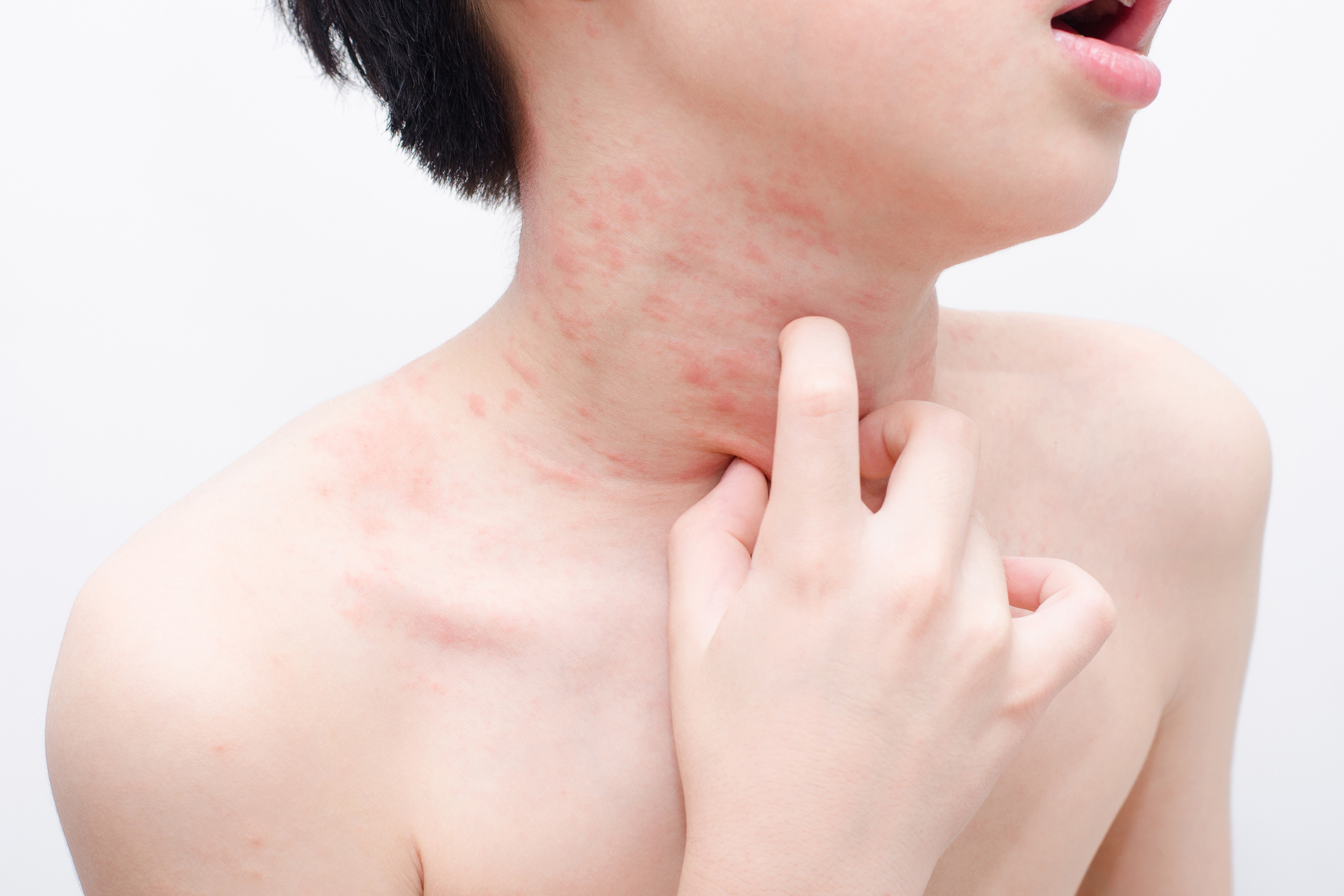
While hay fever itself is generally not a serious health threat, it can sometimes be a precursor to other allergic reactions. Children sensitive to pollens might also develop wheezing, hives, or skin rashes like eczema. Crucially, the pollens that trigger hay fever can also exacerbate asthma symptoms, which can be a significant concern.
The Raising Children Network advises consulting a doctor if you suspect hay fever is impacting your child’s quality of life or if it’s associated with more severe conditions. Professor Wark emphasises that hay fever, even if seemingly minor, can lead to persistent symptoms that disrupt a child’s schooling and learning. Untreated, severe symptoms can contribute to chronic sinusitis, eye irritation, and persistent coughs. For children with asthma, unmanaged hay fever can significantly worsen their asthma control.
Your GP or paediatrician can refer your child for allergy testing, which may include skin-prick tests or blood tests, and subsequently recommend appropriate treatment.
Managing Hay Fever: Treatment and Prevention Strategies
Currently, there is no definitive cure for hay fever, but effective treatments are available to manage its symptoms.
- Nasal Sprays: Corticosteroid nasal sprays are highly effective in reducing nasal congestion and inflammation.
- Antihistamines: These medications help alleviate itching, runny noses, and sneezing.
- Prescription Medications: For severe hay fever, a doctor may prescribe specific antihistamines.
- Immunotherapy: In very challenging cases, a specialist may recommend immunotherapy, a long-term treatment designed to desensitise the immune system to specific allergens.
It is important to note that cold and flu medications are not suitable for treating hay fever, as they target different mechanisms. If in doubt, always consult a healthcare professional or a pharmacist.
Proactive Steps: Preventing Hay Fever Exposure
Reducing a child’s exposure to common triggers is a key preventative strategy. Monitoring local pollen forecasts through resources like Pollen Forecast can help. On days with high pollen counts, especially when it’s windy, or during and immediately after thunderstorms, it’s advisable to keep children indoors.
Additional tips for managing high pollen days include:
- Keeping windows and doors closed.
- Avoiding outdoor activities known to increase pollen exposure, such as mowing the lawn.
- Ensuring children shower or bathe after playing outdoors, particularly if they experience itchiness.
The Interplay Between Hay Fever and Asthma
Professor Wark stresses that allergic asthma should be managed with the same diligence as any other form of asthma, requiring consistent monitoring and medication. Diagnosing asthma in very young children (one to five years) can be challenging, often relying solely on symptom observation. Once children are older, breathing tests can provide a clearer diagnosis. Asthma medication and management plans are tailored to the child’s age and the severity of their condition, necessitating regular medical reviews.
Thunderstorm Asthma: A Serious Consideration
Thunderstorm asthma is a critical condition linked to high pollen levels and specific weather patterns. It can even affect individuals who have never experienced asthma before. During a thunderstorm, changes in temperature and wind can rapidly disperse high concentrations of pollen, leading to sudden exposure. Professor Wark warns that anyone experiencing hay fever, particularly in spring, could be at risk.
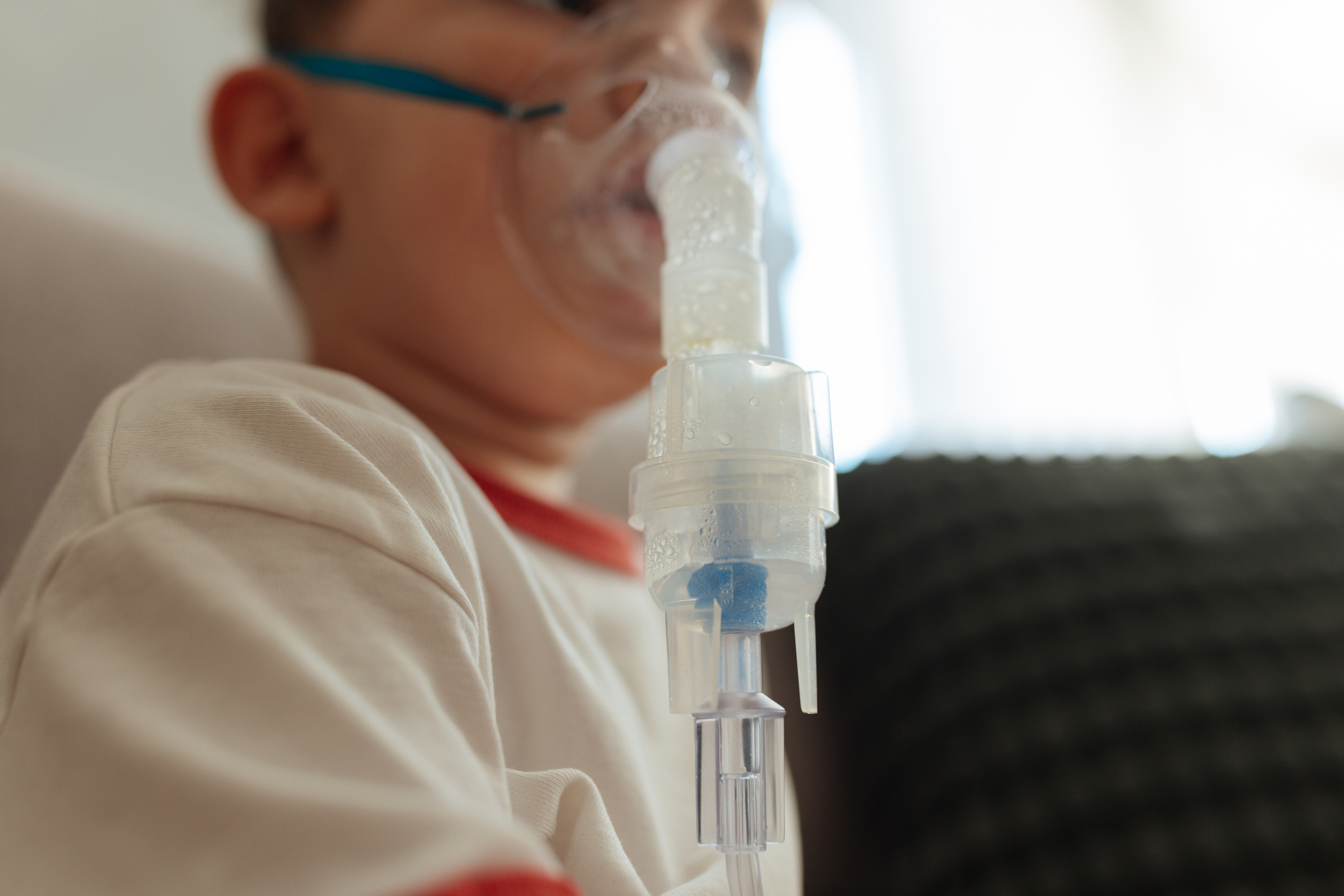
During a thunderstorm asthma event, a child’s airways can swell and constrict, making breathing extremely difficult. If your child has a pre-existing asthma diagnosis, it is crucial to have a robust asthma action plan in place, ensure medication is readily available, and adhere to preventative treatments.
“The risk is significantly reduced with the appropriate use of inhaled corticosteroids and maintaining good asthma control prior to such an event,” Professor Wark explains. “Treating allergic rhinitis with intranasal steroids can also lessen nasal symptoms and potentially offer protection against thunderstorm asthma.”
For children with asthma, prompt and effective asthma management is paramount. If a child suffers from grass allergies and hay fever, daily use of an intranasal corticosteroid during spring and summer is recommended. Avoiding exposure by staying indoors and paying attention to emergency alerts for high-risk thunderstorm events is also vital.

In cases where a child is struggling to breathe or speak, immediate medical assistance by calling Triple-0 is essential.

Please note: The information provided in this article is intended for general guidance only and does not substitute professional medical advice. Always consult a qualified healthcare professional for personalised medical advice tailored to your specific health needs.