Minimum Wage Hike Looms as Government Pushes Landmark Tax Reforms
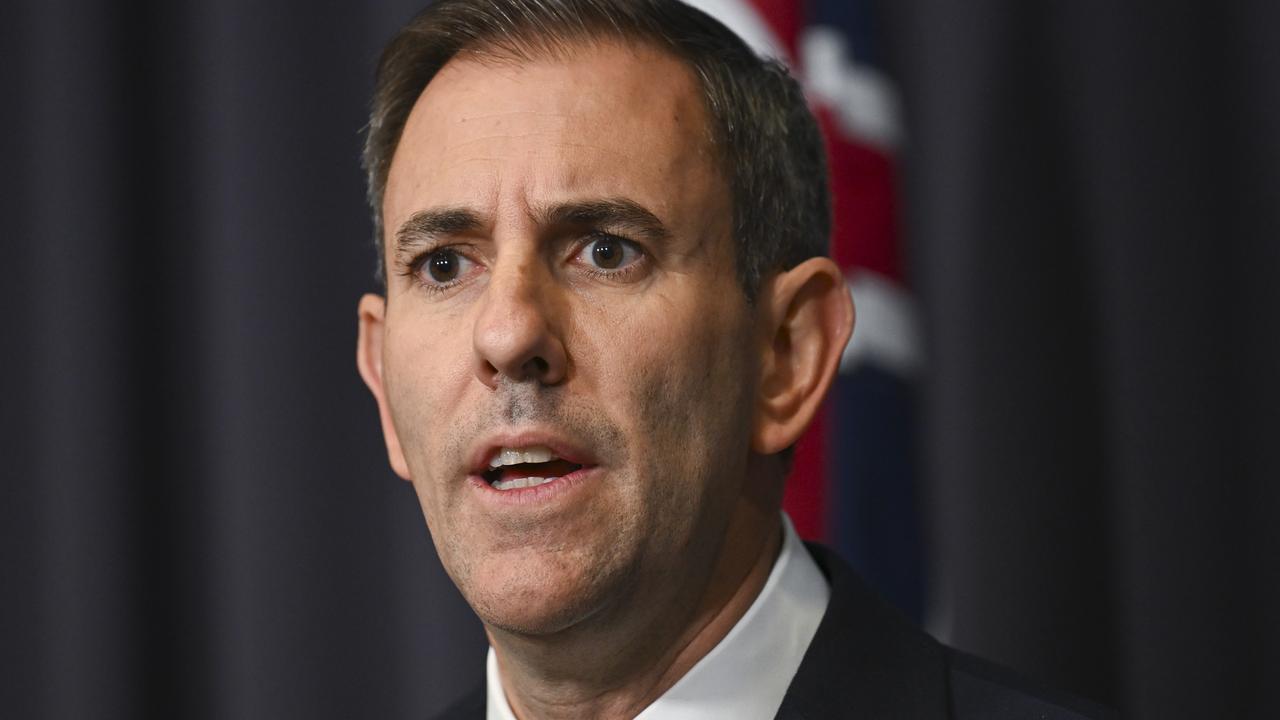
Australia’s Treasurer, Jim Chalmers, has issued a strong plea to the Coalition, urging them not to obstruct crucial tax reforms scheduled for parliamentary debate this week. This push for reform coincides with the government’s vocal support for a significant increase to the national minimum wage, a move aimed at easing the cost of living pressures for millions of Australians.
The Fair Work Commission is anticipated to reveal its decision on the minimum wage adjustment on Tuesday morning at 10 am. Currently, the minimum wage stands at $24.95 per hour, translating to a weekly earning of $948. Treasurer Chalmers, speaking from Brisbane, emphasised the government’s submission to the Commission, which advocated for a “substantial real wage increase for millions of Australian workers.”
“Decent pay and conditions is a really important way that we help people with the cost of living,” Chalmers stated. “We’ve been very supportive throughout when it comes to increases in the minimum wage… That’s what the submission that myself and (Employment Minister) Amanda Rishworth have put in to the Fair Work Commission.”
While the Fair Work Commission operates independently, it considers submissions from various stakeholders, including the government.
The Australian Council of Trade Unions (ACTU) has formally requested a six per cent pay rise for approximately three million workers on award wages. In contrast, the Australian Chamber of Commerce and Industry has proposed a more conservative “moderate increase of 3.5 per cent” to the National Minimum Wage.
The backdrop to these discussions is the current inflation rate, which stands at 4.6 per cent. Treasurer Chalmers has previously cautioned that inflation could climb to five per cent, potentially meaning that any wage increases might fall short of keeping pace with the rising cost of goods and services. Any approved increase to the minimum wage is set to take effect from July 1.
Housing and Tax Cuts on the Agenda
The impending debate on minimum wage adjustments is occurring as Parliament prepares to deliberate on significant changes to capital gains tax discounts and negative gearing, as outlined in the 2026-26 budget. Mr. Chalmers highlighted the importance of the upcoming parliamentary sitting week, describing it as a pivotal period for the nation’s economy. He stressed that these reforms are fundamentally about providing tax relief to workers and making homeownership more accessible for first-time buyers.
“We call on the Coalition not to vote against housing and not to vote against tax cuts again like they did in their first term,” Mr. Chalmers urged. He drew a parallel to 2025, when the Coalition opposed a tax offset and an instant asset write-off that were part of the government’s budget.
“They’re showing every sign of having not learned a thing or changed a bit since the first term when they made those mistakes,” Chalmers remarked, expressing his disappointment with the opposition’s perceived lack of progress.
He further elaborated on what he described as the opposition’s political playbook: “Our political opponents have got three strategies: to talk down our economy, talk up division in our society, and defend the current arrangements in the housing market and the tax system, which are locking too many people out of their first home.”
Accusations of “Scare Campaigns” and Unfunded Commitments
Treasurer Chalmers did not shy away from criticising Shadow Treasurer Tim Wilson, accusing him of being “prepared to weaponize a scare campaign full of lies” in relation to reforms that Chalmers has advocated for both in parliament and in his published work.
“We’ve heard that the Coalition is preparing some kind of stunt when it comes to coming up with an excuse not to vote for Labor’s tax cuts,” he revealed.
Chalmers also pointed to the Coalition’s own fiscal record, stating, “We remind everyone that the opposition has already committed to $110bn of uncollected and unfunded commitments over the forward estimates and more than half $1 trillion of unfunded and costed commitments over the medium term as well.”
He concluded with a stark warning about the potential economic consequences of the Coalition’s approach: “But, theirs is a recipe for much bigger deficits, much more debt, and higher inflation as well.”