The Human Cost of War: Civilians in the Crosshairs
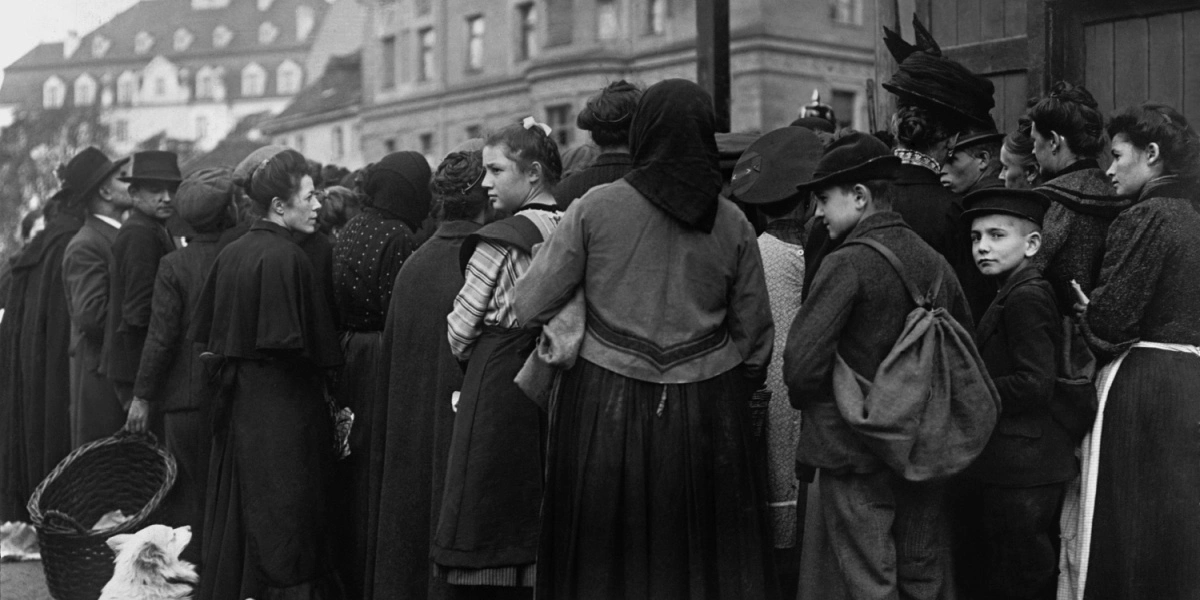
World War I was not just a conflict between armies; it was a war that deeply affected the lives of ordinary people. As the conflict expanded, everyday life became a battleground for survival. Food shortages were among the most devastating consequences, with entire communities suffering from the effects of blockades and crop failures.
In Mount Lebanon, the situation was particularly dire. The combination of blockades and failed harvests led to a famine so severe that many communities vanished. In Germany, years of restricted imports gradually eroded the population’s well-being, with hunger becoming a defining feature of the later stages of the war. Civilians were not just incidental victims—they were directly impacted by the mechanics of war.
Civilians Under Pressure
Violence against civilians often followed deprivation. When German forces entered Belgium in 1914, reprisals quickly escalated. Accounts describe mass executions, including hundreds killed in Dinant, offering an early sign of how occupation could lead to collective punishment.
In Palestine, the Surafend massacre reflected similar tensions. Soldiers attacked a village after one of their own was killed, leaving dozens dead. This episode stands out not only for its brutality but also for the lack of accountability that followed.
Serbia endured even broader devastation. Under occupation, civilians faced executions, forced labor, and displacement. The scale of loss was so severe that it altered the country’s population structure for years, leading to long-term economic and social consequences.
Ethnic Violence and Unrest
The war also intensified divisions that had been simmering for decades. In Eastern Europe, anti-Jewish pogroms surged amid instability. Reports indicate that tens of thousands were killed, part of a wider pattern that historians often link to later waves of persecution.
In the Ottoman Empire, Greek communities in Anatolia were subjected to systematic campaigns of expulsion and killing. Estimates suggest that more than a million people died, reflecting a broader attempt to reshape the region’s demographic makeup.
Further east, unrest spread across Central Asia in 1916 after new conscription policies were imposed. The response was swift and violent, with uprisings crushed and large numbers of civilians killed or displaced across multiple regions.
A War Without Limits
Even on the battlefield, the nature of conflict was shifting. The Battle of the Somme showed how industrial firepower could devastate armies in a matter of hours, with tens of thousands of casualties on the first day alone.
Then came another blow, one that ignored borders entirely. The Spanish flu spread rapidly in the war’s final phase, carried along by troop movements and overcrowded camps. Estimates suggest that tens of millions died from the flu worldwide.
The New Reality of War
Seen together, these events point to a turning point. World War I did not just change borders. It changed who war was fought against. Civilians were no longer on the sidelines. They were part of the battlefield.
This war marked a significant shift in how conflicts were conducted, with the lines between combatants and non-combatants blurring. The experiences of those caught in the crossfire highlight the profound impact of war on civilian populations, reshaping societies and leaving lasting scars.