

The Unwavering Devotion: A Family’s Stand Amidst Infamy
The walls of the Letby family home in Hereford are a testament to a life seemingly frozen in time, a poignant tableau of their only daughter, Lucy. Photographs adorn nearly every surface: a cherubic toddler with a perfect fringe and a velvet bow; school class pictures spanning over two decades; a graduation portrait in a gilded frame. Holiday snaps, handwritten cards, and handmade trinkets fill windowsills and noticeboards, creating what a visitor once described to the Daily Mail as “like a shrine” to Lucy. This overwhelming display of personal mementos paints a picture of a close-knit family whose world revolved around their daughter.

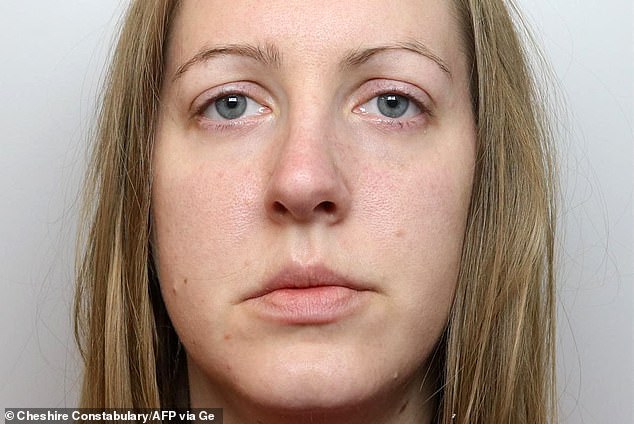
This deeply personal sanctuary stands in stark contrast to the reviled name Lucy Letby has become globally. The neonatal nurse, convicted of the horrific murders of seven premature infants and the attempted killing of seven more at the Countess of Chester Hospital between 2015 and 2016, is now serving a life sentence. At 36, she resides at HMP Bronzefield in Surrey, a facility housing some of the nation’s most notorious female offenders. Her name is synonymous with unspeakable crimes against the most vulnerable, leaving a trail of shattered families grappling with unimaginable loss, a torment that continues a decade later.
This week, the Cheshire coroner’s court commenced inquests into the “unnatural deaths” of five of Letby’s victims – identified as Babies C, E, I, O, and P. Such proceedings are mandated even after a criminal trial has concluded, underscoring the gravity of the case.
A Glimmer of Hope for Retrial?
Despite the widespread condemnation, the narrative surrounding Lucy Letby has seen a subtle shift in the past year. While two attempts to appeal her conviction have been unsuccessful, a new legal team has ignited hope for a potential retrial. This team has submitted a series of documents to the Criminal Cases Review Commission, reportedly containing new “expert” evidence. Letby, who has consistently maintained her innocence, has allegedly confided in fellow inmates and prison staff, expressing belief that her convictions could be overturned, leading to her release later this year.
The Unwavering Faith of Devoted Parents
For her parents, John and Susan Letby, this possibility represents the most longed-for news. Since Lucy’s initial arrest in July 2018, they have maintained an unshakeable faith in their “golden girl,” viewing her as a scapegoat to mask systemic failures at the hospital. As an only child with no living grandparents and limited contact with extended family, Lucy has been their singular focus and greatest source of pride since birth.
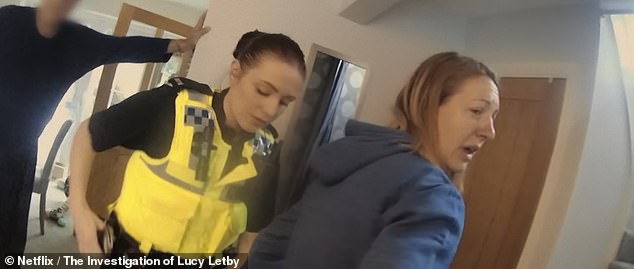
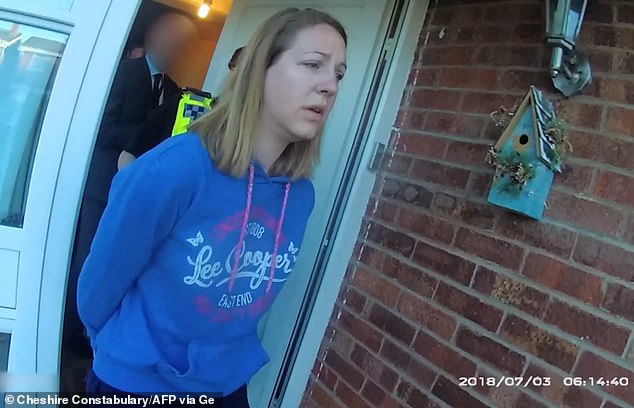
The recent debut of the Netflix documentary, The Investigation Of Lucy Letby, has provided viewers with a harrowing glimpse into the profound impact their daughter’s arrests have had on John and Susan. Previously unseen footage from police body cameras captured the raw anguish of their experiences. The documentary includes Susan Letby’s heart-wrenching cries heard as her husband opens the door to Cheshire Police officers arriving to arrest Lucy for the second time in June 2019. Amidst sobs, she pleads, “Please, no, not again, no.” As officers read Lucy her rights and handcuff her, still in her dressing gown, she turns to her parents, asking, “You know I didn’t do it, don’t you?” Their collective, heartbreaking reply is, “We know that.”
The desperation escalated during Lucy’s third and final arrest in November 2020, when her mother reportedly pleaded with officers, “I did it; take me instead.”
The Impact of Public Scrutiny
Recent reports indicate that prison staff are monitoring Letby around the clock due to concerns for her well-being. The Netflix show and the leaked footage of her arrests have reportedly led to her being mocked by other inmates. While the documentary offers a stark look at the family’s ordeal, the intrusion into their private anguish has been met with criticism. Many, including columnist Peter Hitchens, have condemned the documentary for its perceived sensationalism.
For the residents of the quiet cul-de-sac where the Letbys have resided for four decades, the sounds of Susan Letby’s distress are deeply etched in their memories. “They were broken from the day Lucy was first arrested,” one neighbour recounted to the Daily Mail, describing the arrests as “disgusting.” They continued, “We know Lucy and she is a quiet young woman who was clearly in complete shock.” Another resident expressed a widely held sentiment: “I don’t think you’ll find anyone round here who doesn’t feel sorry for them. Those of us who have lived here since John and Sue moved in 40 years ago all feel the same. They are a close family so it must be absolute hell… but we don’t ask questions.”
Statements Amidst Controversy
John, 80, and Susan, 65, have maintained a low profile, releasing only brief statements to the press. However, in response to the Netflix documentary, they issued two separate statements through Maltin PR, a reputation management firm reportedly working pro bono for the family. In their first statement, the Letbys described the documentary footage as “heartbreaking” and “a complete invasion of privacy,” stating, “We will not watch it – it would likely kill us if we did.” Critics noted the absence of any mention of the deceased babies or their grieving families within the 325-word statement.
The second statement began with condolences for the victims’ families and their “unbearable pain,” but quickly reiterated their belief: “However, our daughter is innocent and this is a horrendous miscarriage of justice.”
A Reclusive Existence
John and Susan were not at home this week, with net curtains drawn across their windows. Their car, a silver Suzuki Splash, remains parked under the carport, a usual indicator of their presence, yet neighbours note it rarely leaves the driveway these days. The couple has become increasingly reclusive since Lucy’s conviction, with the recent media spotlight intensifying their desire for privacy. John’s former hobbies, such as watching football and horse-racing, and their regular Sunday visits to Hereford City Church, have been abandoned. Their cherished holidays to Torquay have also been discontinued.
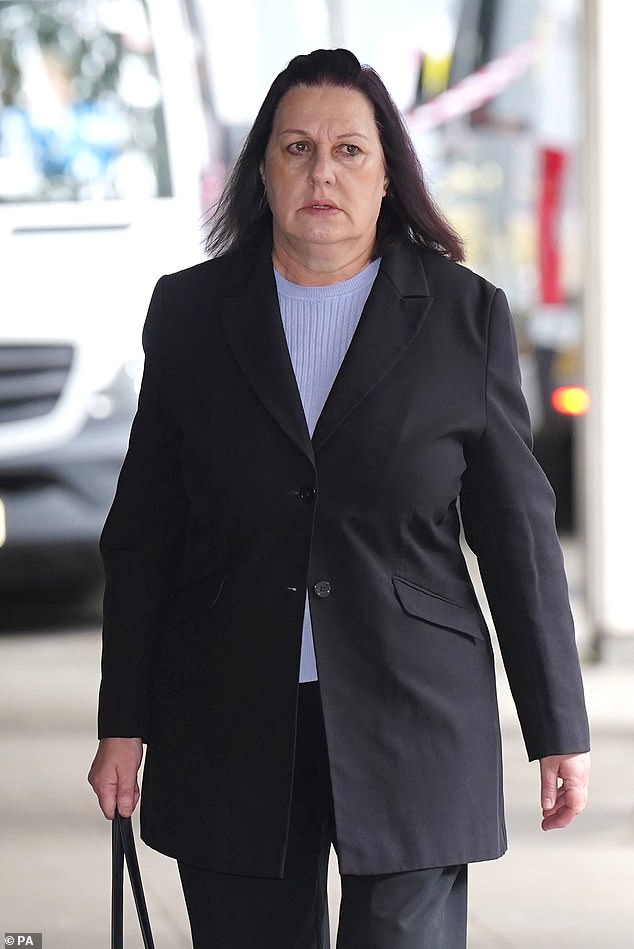
Their sole consistent journey is the 264-mile round trip to HMP Bronzefield in Surrey to visit their daughter. Letby is permitted three one-hour visits per month, and her parents have not missed a single one. Recently, however, John has been visiting alone, as Susan is recovering from hip replacement surgery. A neighbour mentioned that Susan’s health has deteriorated due to an immune condition that makes leaving the house difficult, adding that “any additional stress on top of what they have been going through isn’t going to help.”
Despite reports of them potentially relocating to be closer to Lucy or decamping to Manchester during her trial, John and Susan remain in Hereford, the city they have called home since 1983. They met in the early 1980s, marrying in July 1986, with Susan, an accounts clerk, already three months pregnant.
A Childhood Shaped by Health Concerns
Dawn Howe, a childhood friend of Letby, alluded to a “difficult” birth as a driving force behind Lucy’s passion for neonatal nursing. However, her health challenges began early. At age 11, she was diagnosed with an underactive thyroid, leading to frequent specialist appointments. Later, she developed optic neuritis, an inflammation of the optic nerve causing blurred vision and severe pain. These early health struggles may have contributed to what Letby described in messages to friends as her parents’ “a little suffocating” and overbearing protectiveness.
The Letbys were immensely proud of Lucy’s nursing degree from the University of Chester, placing congratulatory notices in the local newspaper. They were also reportedly delighted when she was featured in a local newspaper as the poster child for the Countess of Chester’s neonatal unit fundraising campaign, just 18 months after qualifying in March 2013.

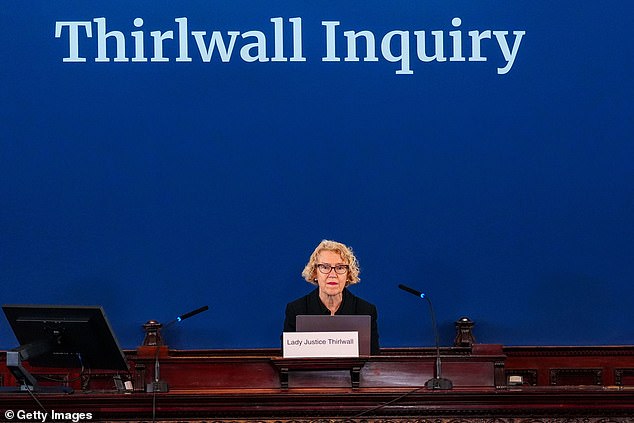
In 2015, Letby moved into a modern three-bedroom house purchased with her parents’ assistance. However, her seemingly perfect life began to unravel. While she initially kept her troubles from her parents, they became deeply involved once they were aware of the situation. In December 2016, all three attended a meeting with hospital officials, where John and Susan vociferously criticised two consultants, alleging they harboured a “personal grudge” against their daughter. A letter written to hospital bosses in January 2017, read at the Thirlwall Inquiry, expressed their shock and heartbreak, detailing Lucy’s suffering and her repeated assertions of innocence.
John Letby, a retired furniture shop manager, made numerous “agitated” calls to the hospital and even threatened the chief executive. In July 2017, a full year before Lucy’s arrest, John reported issues on the neonatal unit to the police. These outbursts contrast with his composed demeanour in court during his daughter’s 2023 trial. John shared a particularly close bond with Lucy, even staying at her house the night before her first arrest and tenderly making her bed after she was taken away.
A Stark Contrast in Surroundings
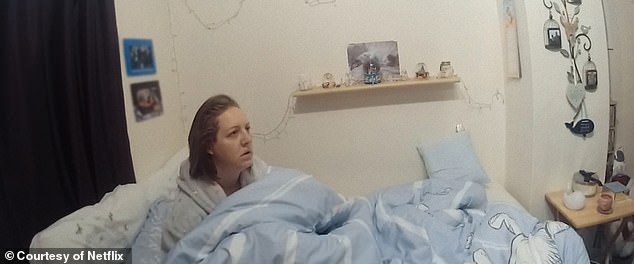
Footage from her arrests reveals Lucy sleeping in her childhood bedroom in Hereford, a space adorned with cuddly toys, fairy lights, and affirmation posters, including a quote from The Greatest Showman: “I am brave. I am bruised. I am who I’m meant to be. This is me.” Her current accommodation at HMP Bronzefield offers a stark contrast. As a prisoner with “enhanced” status for her protection, she occupies a small, spartan cell furnished only with a bed, toilet, shower, television, and a telephone for outgoing calls.
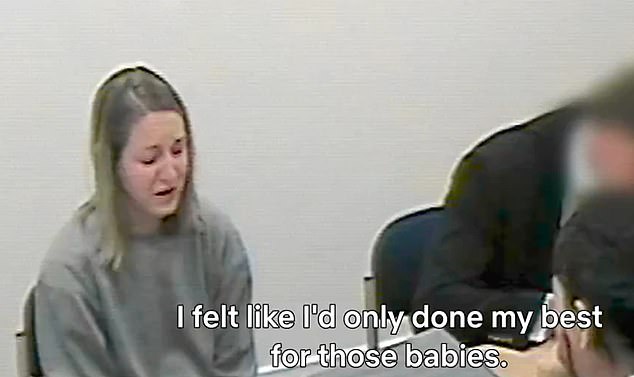
In a letter to a university friend, “Maisie,” read aloud in the Netflix documentary, Lucy describes her prison cell and daily routine. She has access to Freeview channels and a DVD player and spends considerable time in the library, reportedly with an “insatiable appetite” for books. Prison sources describe her as a neat, quiet inmate who causes no trouble. She dedicates most of her earnings from a cleaning job to purchasing call credits to speak with her parents. She also has regular meetings with her legal team, including barrister Mark McDonald.
A significant part of her longing for the outside world centres on her two cats, Tigger and Smudge, with whom she shared emotional farewells. In her letter to Maisie, she laments, “I miss Tigger and Smudge so much. They must think I’m a terrible mummy. Mum and Dad are taking good care of them though, and are no doubt spoiling them.”
The Lingering Question: “Why Lucy?”
John and Susan Letby have now endured five years and two months with their only child incarcerated. Their profound desolation was encapsulated in their statement to the Thirlwall Inquiry: “The overlying question that has kept us awake from the day this all started, and [for which] no one has come up with an answer, is, ‘Why Lucy?'” This is the same haunting question that the 14 families, whose babies she is accused of murdering or attempting to murder, will undoubtedly grapple with for the rest of their lives.
Additional reporting by Christine Challand