
NSW Premier Calls for Energy Sovereignty Amidst Global Oil Shocks
New South Wales Premier, Chris Minns, has issued a stark warning to Australia, asserting the nation’s urgent need for greater “sovereignty” over its energy resources. Speaking at the unveiling of new fuel savings measures under the National Fuel Security Plan, Minns emphasised that electrifying the Australian economy is not merely an option, but a necessity for navigating future oil shocks and geopolitical instability.
“We need more sovereignty and control over our energy, and we need to be able to drive our economy independent of what happens in the Middle East,” Minns stated. He highlighted the volatile nature of global conflicts, suggesting that complacency in the face of such events would be a grave error. “We have to consider the next conflict and anyone who thinks this is the last war in the Middle East is a complete mug — we have to start thinking about the future.” The Premier stressed that this is a long-term strategic shift, posing the critical question: “do we start tomorrow or do we just wait for the next war?”
Electrification: The Key to Resilience
Minns firmly believes that increased electrification is the lynchpin in mitigating Australia’s vulnerability to oil price volatility, particularly as it relates to conflicts in the Middle East. This strategic pivot involves a multi-faceted approach:
- Increased Electric Vehicle (EV) Adoption: Encouraging a significant uptake of electric vehicles across the nation.
- Expanded Charging Infrastructure: A substantial build-out of charging stations to alleviate range anxiety and support EV usage.
- Practical Future-Proofing: Implementing tangible solutions that secure the future of the Australian economy.
“We’ve got enough energy in our country from natural resources, renewable energy and battery storage, but we have to start taking decisions now so we’re not continually roiled by conflicts in the Middle East, of which we have limited, if any, control over,” Minns elaborated. He indicated that the NSW government is actively exploring budgetary measures and pre-election strategies to foster greater electrification within the state.
A key focus for the NSW government will be ensuring that the transition to EVs is equitable and accessible to all Australians, not just those in affluent areas. “EVs and electric vehicles can’t just be for snobs that live in the eastern suburbs. It’s got to be available for regular mums and dads,” Minns declared. He specifically addressed the concerns of those who rely on vehicles for work, stating, “That means, particularly if they’re travelling and driving for work, they don’t have range anxiety and they can get access to a recharger.”
Premiers Convene to Discuss Fuel Relief
In parallel with these long-term strategies, state and territory leaders are actively addressing immediate concerns regarding fuel affordability. Minns confirmed that Premiers and First Ministers convened to discuss the potential for returning windfall gains from the Goods and Services Tax (GST) on fuel directly back to motorists.
NSW Treasurer Daniel Mookhey elaborated on the collaborative effort, stating that the states are developing a policy framework designed to “mirror” the federal government’s initiative to halve the fuel excise. This would translate to a direct saving of 26.3 cents per litre for consumers. Mookhey anticipates that the combined impact of GST adjustments and excise reductions will lead to further savings, “somewhere between 7 to 10 cents in addition to the excise tax.”
The Treasurer stressed the importance of preventing fuel retailers from exploiting these measures by simply increasing their prices. He asserted that it would be “unacceptable” for such price hikes to occur and emphasised the necessity of pairing these policies with enhanced enforcement by the Australian Competition and Consumer Commission (ACCC).
Innovative Freight Solutions to Bolster Diesel Supply
In a bid to shore up diesel supplies and ensure the continued flow of essential goods, the NSW government is implementing temporary measures to allow larger trucks greater access to the state’s road network. These changes include the easing of operating hour restrictions and the lifting of curfews, facilitating the movement, loading, and unloading of freight during nighttime hours.
These adjustments are a component of Level 2 of the National Fuel Security Plan, which outlines a staged response by all levels of government to navigate the global fuel crisis. NSW Roads Minister, Jenny Aitchison, projected that these measures could lead to a significant diesel fuel saving of between 18 and 35 per cent across the freight sector.
“These are temporary measures, and they’ll ensure that the freight can continue to move safely and efficiently,” Aitchison stated. She further explained that the modifications are specifically designed to “reduce fuel use in long haul transport and freight and that’ll ensure that goods continue to reach communities and businesses across NSW.”
Simon O’Hara, representing Road Freight NSW, voiced his endorsement of the plan, describing it as a “smart move” for the trucking industry. He articulated the core benefit: “We will have larger, longer trucks on the road, but we’ll have less trucks.”
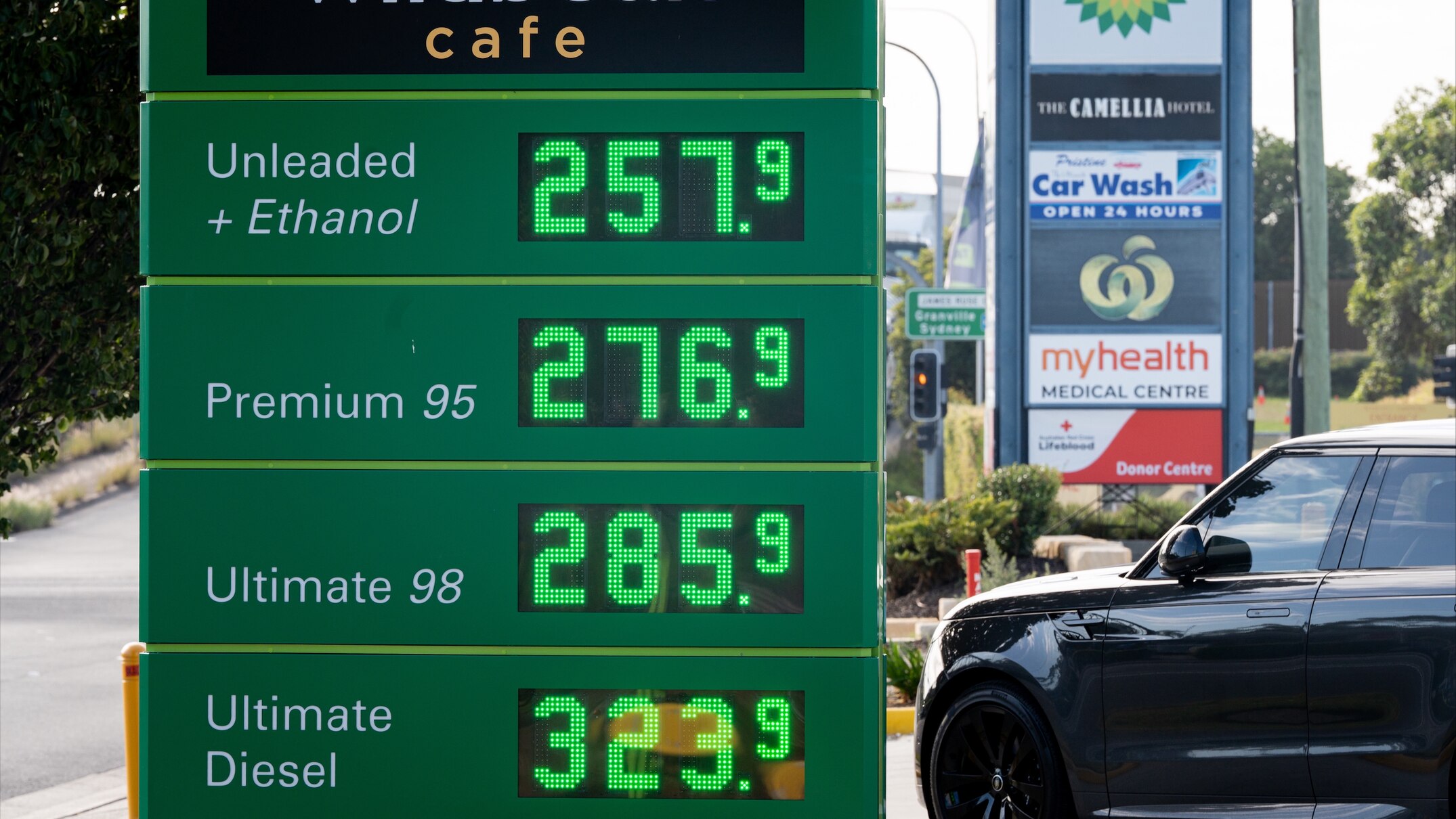
The urgency of these measures is underscored by recent data from Fuel Check, which reveals a critical shortage across NSW. Nearly 400 service stations have reported running out of at least one type of fuel, with 61 stations completely depleted of all fuel types. Furthermore, 242 stations are currently without diesel or premium diesel, highlighting the immediate challenges facing the state’s fuel supply chain.