Ancient Oregon Cave Yields Oldest Sewn Clothing, Rewriting Early Human History
A remarkable discovery in the dry caves of Oregon’s northern Great Basin region is challenging long-held assumptions about the capabilities of early humans in North America. Researchers have unearthed some of the oldest known pieces of sewn clothing, crafted from animal hides and dating back approximately 12,000 years to the end of the last Ice Age. This finding suggests that prehistoric inhabitants of the continent possessed sophisticated skills in working with plant, animal, and wood materials, significantly predating the construction of monumental ancient wonders like the Great Pyramid of Egypt.
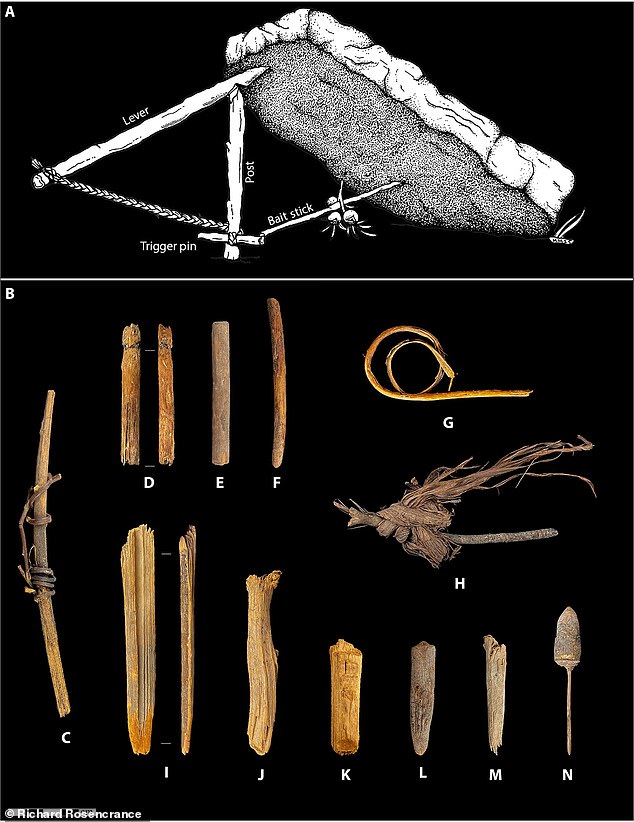
Until now, prevailing archaeological thought often depicted early humans in what is now the United States as primarily simple hunter-gatherers. However, these newly analysed artifacts provide the most compelling evidence to date of advanced technology, including expertly sewn clothing, intricately twined baskets, and ingeniously designed wooden hunting traps.
Archaeologist Richard Rosencrance from the University of Nevada, leading a team of researchers, has meticulously examined a collection of 55 crafted items. These artefacts are derived from 15 distinct plant and animal species. Among these relics, Rosencrance is convinced that some were specifically designed as clothing or footwear, offering a tangible glimpse into the daily lives and ingenuity of these ancient peoples.
The significance of these findings lies in their ability to fill crucial gaps in our historical understanding. They demonstrate that Ice Age populations in North America were not only innovative but also highly adaptable, ingeniously utilising readily available natural materials. This occurred during a period preceding the Holocene Epoch, the era that witnessed the rise of early civilisations.
A Treasure Trove of Ancient Craftsmanship
The most significant discoveries originate from Cougar Mountain Cave, located in southern Oregon. Here, archaeologists unearthed what is believed to be the oldest sewn animal hide ever found, alongside numerous braided cords, intricate knots, components of wooden traps, and various baskets.
Further exploration in Paisley Caves, situated in central Oregon, has yielded additional ancient fibres. These include twisted plant cords, structures that appear to be twined, and some of the earliest bone needles ever discovered, specifically designed for sewing. The presence of these fine-eyed bone needles, also found at other nearby sites like Connley Caves and Tule Lake Rockshelter, underscores the high level of skill involved in the sewing techniques employed during this ancient period.
These caves served as primary shelters for early hunter-gatherer groups who were nomadic, constantly moving to follow food sources during the Ice Age, approximately 12,000 years ago. The preservation of these organic materials, which typically decompose over time, is attributed to the exceptionally dry conditions within these cave systems.
From Amateur Excavation to Scientific Revelation
Intriguingly, the initial excavation of artefacts from Cougar Mountain Cave was conducted in 1958 by an amateur archaeologist named John Cowles. Following his passing in the 1980s, Cowles’ collection was entrusted to the Favell Museum in Klamath Falls, Oregon, where it has been preserved. Artefacts from Paisley Caves and other neighbouring sites were later professionally excavated by archaeologists and are now housed in university museums and research collections across Oregon.
Rosencrance’s comprehensive study, published in the esteemed journal Science Advances, involved a re-examination of these historical collections. By employing modern laboratory techniques, such as radiocarbon dating, his team was able to accurately determine the age and confirm the sophisticated nature of these ancient finds.
Unravelling the Details of Ancient Life
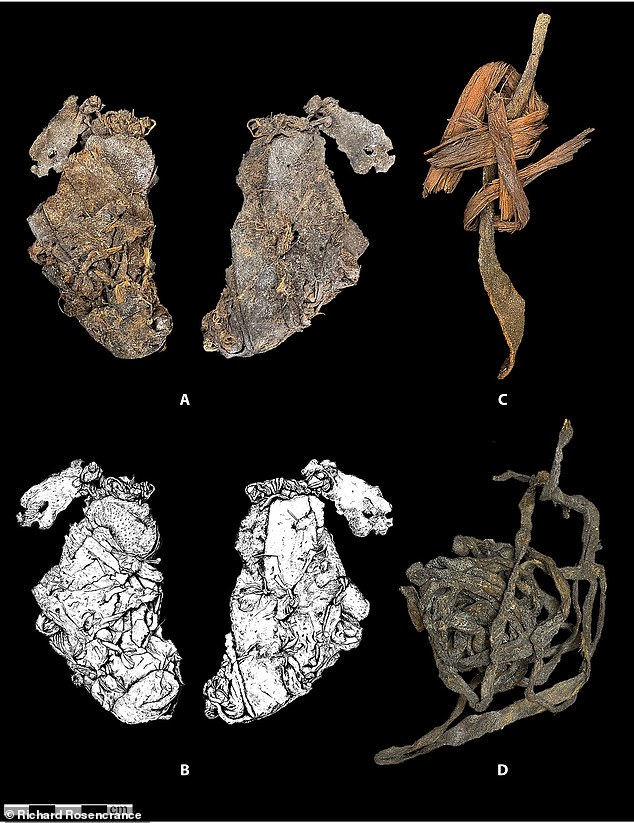
Among the newly dated items is a meticulously prepared piece of elk hide. This hide was cleaned, de-haired, and then stitched together using a cord fashioned from a combination of plant fibres and animal hair. Researchers posit that this piece was likely part of a tightly fitting garment, such as a coat or shoe, or perhaps a bag, solidifying its status as the oldest known example of sewn hide. The collection also includes strips of bison hide, which may have served as bindings or ties.
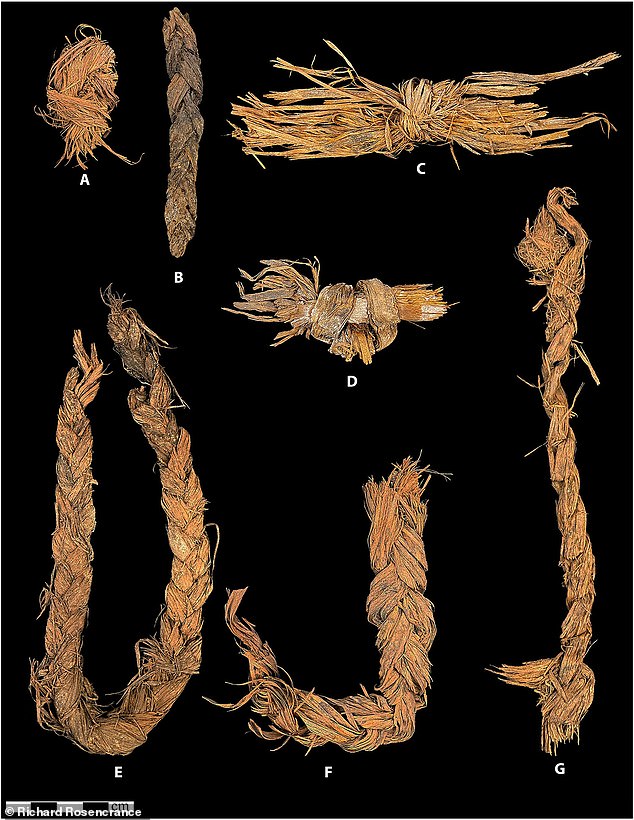
The study also analysed dozens of braided or twisted ropes crafted from plant materials like sagebrush bark, dogbane, and rush. These ropes are believed to have had a wide range of applications, from sewing to securing objects. Some of these fibres were further fashioned into simple knotted baskets or mats, adding them to the list of the oldest known examples of ancient American craftsmanship unearthed to date.
These groundbreaking revelations from Oregon add to a growing body of evidence suggesting that sophisticated human societies thrived in what is now the United States well before the emergence of ancient Egyptian civilisation. This discovery aligns with other recent finds, such as the previously undiscovered wooden canoes found at the bottom of a Wisconsin lake, which also predated the pyramids by hundreds of years. The ongoing exploration of these ancient sites continues to reshape our understanding of human history and innovation.