
Mixed Signals on the Iran Front: Trump’s War Rhetoric Sparks Credibility Concerns
The United States’ position on the ongoing conflict in Iran has become a perplexing puzzle, with President Donald Trump’s public statements sharply diverging from those made by his own Pentagon. This inconsistency is raising serious questions about American resolve and strategic clarity, potentially creating a credibility crisis on the international stage.
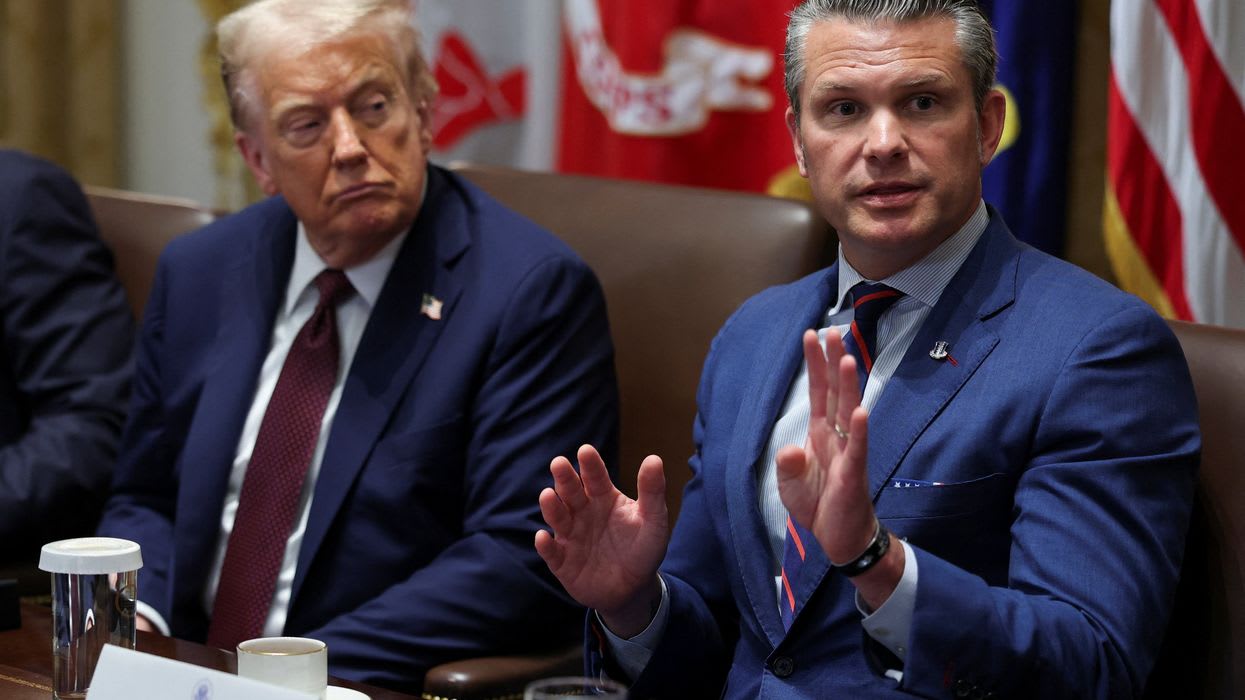
The discrepancies have been stark and immediate. In a recent interview with CBS News, President Trump declared, “I think the war is very complete, pretty much.” However, on the very same day, the Pentagon’s official X account (formerly Twitter) posted messages that painted a far different picture. One post stated unequivocally, “This is just the beginning – we will not be deterred until the mission is over,” while another declared, “We have Only Just Begun to Fight.”
This stark contrast between the President’s pronouncements and the military’s official communications has fuelled confusion. The situation was further compounded at a campaign rally in Kentucky, where President Trump initially asserted, “We won. The first hour, it was over.” Yet, mere moments later, he appeared to backtrack, asking the crowd, “We don’t want to leave early do we? We got to finish the job.”
Experts Sound the Alarm on Conflicting Messages
The implications of such contradictory messaging are not being taken lightly by those with military experience and historical perspective. Janessa Goldbeck, a Marine Corps veteran and a leader with the Vet Voice Foundation, expressed grave concerns. “That contradiction sends dangerous signals to adversaries about US resolve,” she explained. “When the president says the war is basically over and his Pentagon says it’s just the beginning, that tells the world the strategy is not under control.”
This sentiment is echoed by presidential historian Jonathan Alter, who characterised President Trump’s approach as reflective of his established style. “He doesn’t think any further ahead than the next news cycle and so you get an on-again off-again zigzag foreign policy,” Alter observed. This tendency towards short-term pronouncements, rather than long-term strategic thinking, appears to be at the heart of the current confusion.
Potential Repercussions: Undermining Support and Alliances
The muddled messaging surrounding the Iran conflict carries significant potential consequences. According to reports, this inconsistency threatens to erode congressional support for any future requests for supplemental war funding. Lawmakers may be less inclined to allocate resources when the strategic objectives and status of the conflict remain unclear.
Furthermore, the credibility of the United States on the global stage is at risk. Allies may question the coherence of American foreign policy, while adversaries might perceive a lack of unified command and a wavering commitment. This can embolden opponents and create uncertainty among partners, complicating diplomatic efforts and military operations.
A Pattern of Unclear Communication?
This is not the first time President Trump’s administration has faced scrutiny over its communication strategies regarding military engagements. Reports have previously suggested that aides were aware of the President’s repeated gaffes but were hesitant to correct him, fearing repercussions. This internal dynamic could further exacerbate the issue of inconsistent messaging.
Additionally, there have been instances where the President has expressed frustration over reports concerning the military, even suggesting that “they want us to lose the war” when faced with information about damaged US military assets. Such reactions, coupled with the current conflicting statements on the Iran conflict, paint a picture of a communication environment that is far from transparent or cohesive.
The ongoing situation in Iran, as communicated by the White House and the Pentagon, presents a critical challenge. The need for clear, consistent, and unified messaging from the highest levels of government is paramount to maintaining international trust, securing domestic support, and ultimately achieving strategic objectives. The current zigzag approach risks undermining all of these vital elements.


