The Housing Market Faces a Crucial Test
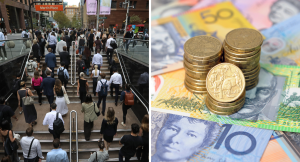
The next six weeks are set to be a pivotal period for the Australian housing market, according to a property expert. Tom Panos, one of Australia’s leading auctioneers, has highlighted that this time frame is not just another news cycle but a defining moment for the sector.
This critical period comes at a time when multiple factors are influencing the market, many of which are beyond the control of sellers and buyers. Among these factors is the ongoing conflict in the Middle East, which has had a significant impact on global oil supplies and prices. The closure of the Strait of Hormuz has led to increased diesel prices, pushing them above $3 per litre and causing shortages across hundreds of petrol stations in Australia.
The Reserve Bank of Australia has already raised its cash rate by 0.25 percentage points in March, bringing it up to 4.1 per cent. Westpac forecasts that there could be three more rate hikes this year, with rates potentially remaining high until 2028. This uncertainty is affecting both homeowners and potential buyers, as interest rates have a direct impact on mortgage repayments.

Tom Panos emphasized that consumer confidence is currently at an all-time low. According to findings from ANZ-Roy Morgan, consumer confidence dropped by 4.3 points to 58.8 in March, marking the second consecutive record low since the index was first recorded in 1972. This decline in confidence is expected to lead to reduced spending and fewer property transactions.
‘When confidence drops, you know what happens? People do stop spending. People do stop moving, and people stop making decisions,’ said Mr. Panos. He also pointed out that interest rates don’t simply fall because we want them to. Instead, they tend to stay high for extended periods, which can have long-term effects on the economy.
The Role of Leadership and Communication
Mr. Panos highlighted that the war in the Middle East is not just a geopolitical issue but also an economic model. While the conflict continues, uncertainty persists, inflation lingers, and confidence collapses. This makes the next six weeks a test of leadership and communication for the Australian government.
He called on the government to act swiftly and decisively, particularly ahead of the upcoming budget. Treasurer Jim Chalmers is scheduled to present the budget on May 12, though he has been cautious about revealing specific policies or changes to taxation.

Chalmers has stated that the government is focused on de-escalating the conflict in Iran. Attorney-General Michelle Rowland echoed this sentiment, saying that the war cannot end soon enough. She noted that Australians are paying for the conflict, despite not being responsible for it.
During the Easter weekend, Chalmers told The Sydney Morning Herald that Australians are bearing the economic consequences of the war. He emphasized the need for the conflict to end as soon as possible to alleviate the financial burden on the population.
Economic Outlook and Property Market Projections
Despite the challenges, Chalmers outlined some key focuses for his budget, including spending cuts and tax reform. He also mentioned the need to boost economic growth while managing inflation.
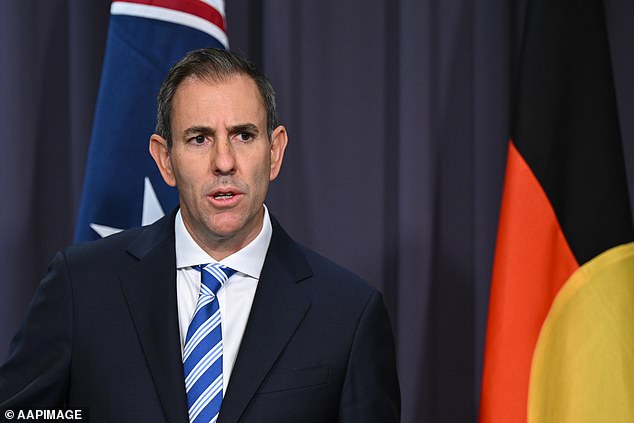
However, when asked about specific details such as superannuation reforms or changes to capital gains tax, Chalmers remained non-committal. ‘We haven’t landed the thing yet, we haven’t made all the decisions,’ he said.
Canstar analysis suggests that if the cash rate rises by 0.25 percentage points in May, June, and August, monthly repayments on a $600,000 loan with 25 years remaining would increase by approximately $276. With the two hikes already implemented this year, total monthly repayments could rise by $457 by August.
SQM Research has also downgraded its 2026 market forecast, indicating that Sydney and Melbourne are now experiencing declines in property values due to the impact of the Middle East conflict. The forecast predicts a potential drop of up to six per cent in Sydney and four per cent in Melbourne.
Cotality’s March index results show median house values in major cities, with Sydney at around $1.2 million, Melbourne at about $820,000, Brisbane at $1.1 million, Adelaide at $937,000, Perth at $1 million, Hobart at $730,000, Canberra at $890,000, and Darwin at $610,000. These figures highlight the varying impacts of the current economic climate across different regions.