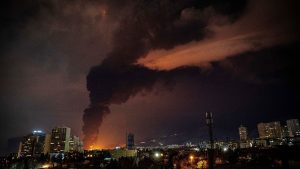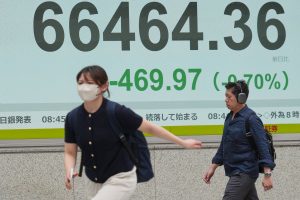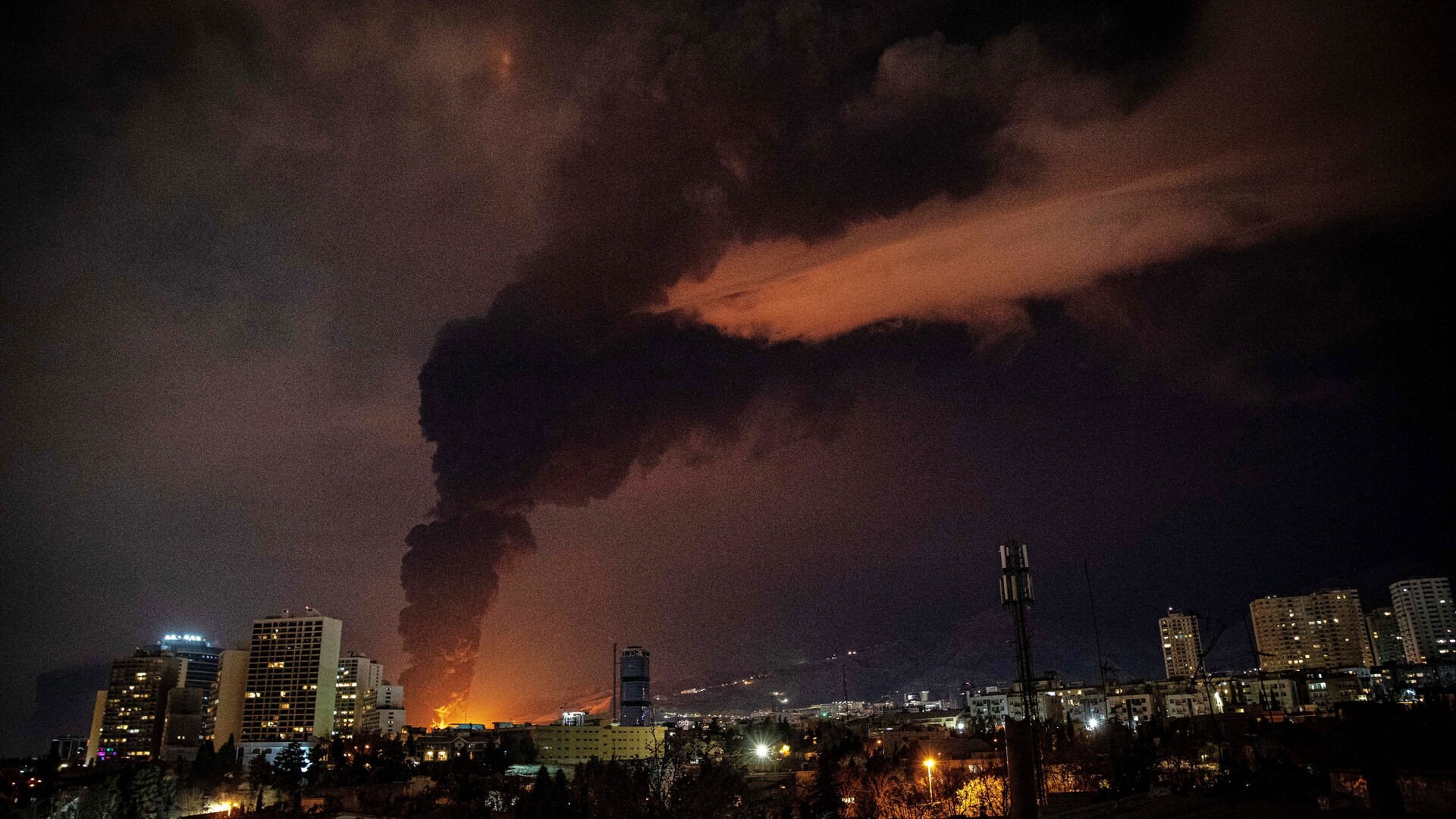
The Australian share market is bracing for a significant downturn at the opening bell, with analysts predicting a sharp decline driven by escalating tensions in the Middle East. This anticipated “nosedive” is attributed to a dual impact: a surge in global oil prices and a substantial drop on Wall Street, according to insights from CommSec’s James Gruber.
The Dual Threat to the ASX
Speaking on Sky News Australia, Mr. Gruber outlined the primary factors contributing to the bleak outlook for the Australian Securities Exchange (ASX). The immediate concern stems from the geopolitical instability in the Middle East, which has historically acted as a catalyst for volatility in global financial markets.
1. Oil Price Shockwaves
One of the most direct and immediate consequences of heightened Middle Eastern conflict is the upward pressure on crude oil prices. The region’s pivotal role in global oil production means that any disruption or threat to supply chains can trigger rapid price increases.
- Brent Crude Futures Surge: As an indicator of this impact, Mr. Gruber pointed to the significant jump in Brent crude futures. These contracts, representing the price of oil for future delivery, concluded Friday’s trading session with an impressive 8.5 per cent gain, reaching a price of US$92.89 per barrel. This steep rise in the cost of a fundamental commodity like oil has broad implications for businesses and consumers alike, potentially leading to increased operational costs and reduced consumer spending power.
CommSec’s James Gruber has spoken on how the ASX is set to “nosedive at the open” because of the conflict in the Middle East.
“It’s due to two things – that spike in the oil prices … as well as a tumble on Wall Street,” Mr Gruber told Sky News Australia.
2. Wall Street’s Wobbly Performance
Compounding the concerns over oil prices is the concurrent downturn experienced on Wall Street, the world’s most influential financial market. A significant sell-off in the United States can often have a ripple effect across global markets, including Australia, due to interconnectedness and investor sentiment.
- Broad Market Declines: While specific details of the Wall Street tumble were not elaborated upon in the initial assessment, the general sentiment of a market decline indicates a loss of investor confidence. This could be triggered by a range of factors, from economic data releases to broader geopolitical anxieties that affect global growth prospects. When major US indices experience substantial drops, it often prompts international investors to reassess their portfolios and reduce risk exposure, leading to sell-offs in other markets.
“On oil prices, Brent crude futures finished up 8.5 per cent on Friday to 92.89 US dollars a barrel.”
Broader Economic Implications
The combined effect of rising energy costs and a faltering Wall Street presents a challenging scenario for the Australian economy. Higher oil prices translate directly into increased transportation costs for businesses, which can be passed on to consumers in the form of higher prices for goods and services. This can exacerbate inflationary pressures, forcing central banks to consider tighter monetary policy, which in turn can dampen economic growth.
Furthermore, a significant downturn on Wall Street can impact Australian companies with exposure to US markets or those reliant on international investment. Investor sentiment often dictates capital flows, and a negative global outlook can lead to reduced foreign investment in Australian assets.
Navigating the Uncertainty
The current market environment demands a cautious approach from investors and businesses. The confluence of geopolitical risk and financial market volatility creates a complex landscape. Analysts will be closely monitoring developments in the Middle East, as well as economic indicators from both Australia and its major trading partners, to gauge the potential duration and severity of the anticipated market downturn. The performance of the ASX in the coming days will likely be a direct reflection of how these global pressures translate into domestic economic realities.
Presented by CommSec.