
The Shadowy Architect of the Soviet Space Race: Unpacking the Chief Designer in ‘Star City’
In the captivating alternate universe of Apple TV+’s ‘For All Mankind’ spin-off, ‘Star City,’ one figure looms large despite remaining shrouded in mystery. Rhys Ifans portrays the enigmatic Chief Designer, the mastermind behind the Soviet space program and the driving force behind its most significant achievements in this reimagined history. While his influence is undeniable, his public identity is non-existent. This isn’t merely a narrative flourish; it’s a direct nod to historical reality and the man who inspired this compelling character: the brilliant Soviet rocket engineer, Sergei Korolev.
The Real-Life Genius Behind the Veil
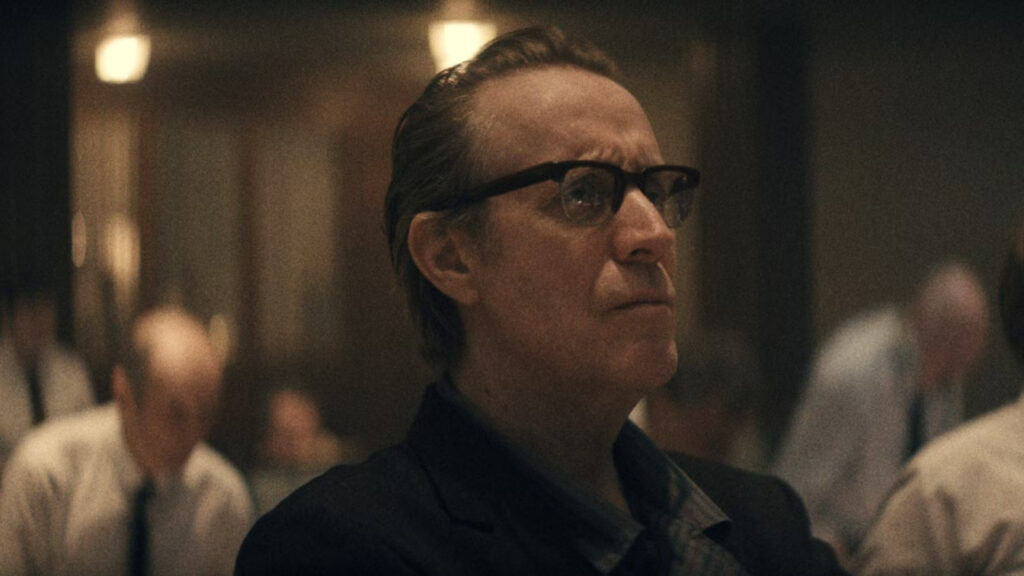
The Chief Designer is a fictionalised representation of Sergei Korolev, the true architect of the Soviet Union’s pioneering space endeavours. Korolev was instrumental in launching Sputnik, the world’s first artificial satellite, and was pivotal in establishing the USSR as a formidable space superpower during the intense geopolitical climate of the Cold War.
However, for a significant portion of his illustrious career, the Soviet government deliberately concealed Korolev’s identity from the general public. While those within the highly classified space program were aware of his crucial role, ordinary citizens knew him only by his designation. Newspapers and official pronouncements referred to him exclusively as the “Chief Designer,” never revealing his name.
This deliberate anonymity served a critical strategic purpose. Soviet authorities considered Korolev an asset too valuable to expose to the wider world. His public profile could have rendered him a prime target for foreign intelligence agencies, sabotage attempts, or political machinations during a period of unprecedented global tension.
‘Star City’: Amplifying Historical Secrecy
‘Star City’ takes this historical precedent and elevates it to a central tenet of its narrative. In actual history, Korolev’s life was tragically cut short during surgery in 1966. This untimely death dealt a severe blow to the Soviet lunar program, ultimately contributing to the USSR’s failure to land a human on the Moon. Many historians view Korolev’s passing as a pivotal turning point in the intense space race.
The entire premise of ‘Star City,’ and its parent series ‘For All Mankind,’ hinges on a divergent historical path. In this fictional timeline, Korolev survives his surgery and continues his vital work, spearheading the Soviet space effort. His continued presence has a profound ripple effect, allowing the USSR to maintain its formidable momentum and achieve groundbreaking milestones that never materialised in our reality.
The Perils of Success: National Security and Anonymity
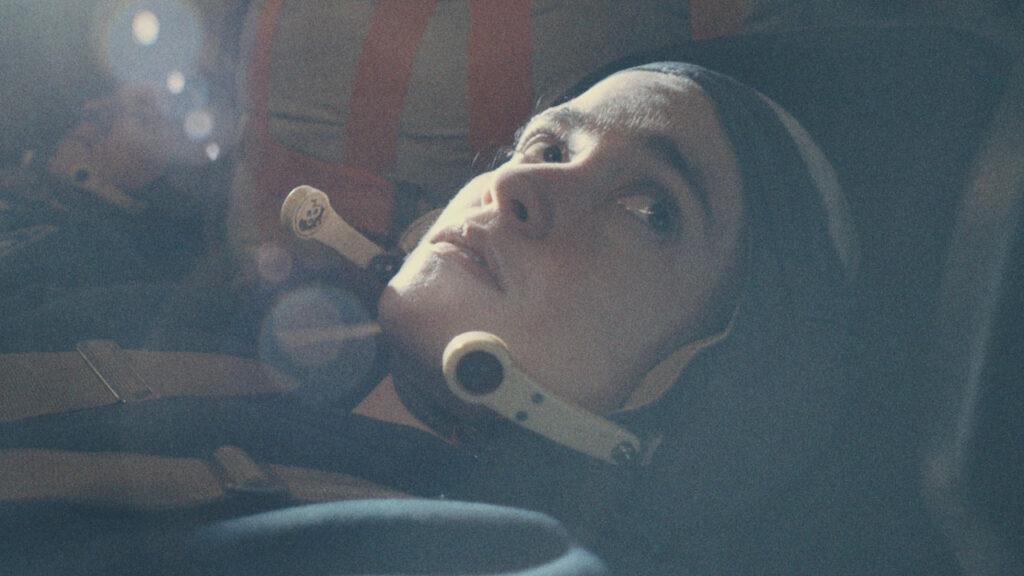
With the Soviet Union having achieved lunar dominance and continually expanding its space ambitions, the protection of the Chief Designer becomes a paramount national security concern. The series posits that maintaining his identity as a permanent state secret is the most effective strategy to safeguard the future of the program. By keeping him unknown to the outside world, the risk of him becoming a target is significantly diminished.
This strategic anonymity transforms the Chief Designer from merely a brilliant engineer into the linchpin of the entire Soviet space apparatus. His survival, the show suggests, could literally dictate the outcome of the Cold War.
The pervasive secrecy surrounding the Chief Designer serves to underscore one of ‘Star City’s’ core thematic concerns: Cold War paranoia. While the series meticulously explores rockets, ambitious missions, and remarkable scientific breakthroughs, it also delves deeply into the realms of espionage and intricate political manoeuvring.
By deliberately rendering its most influential figure anonymous, ‘Star City’ effectively turns the Chief Designer into a potent symbol of that era’s pervasive secrecy. He becomes a man who shapes history from the shadows, an invisible architect of global consequence. This delicate interplay between scientific ambition and the clandestine machinations of the Cold War is precisely what elevates the Chief Designer into an increasingly compelling character as the season unfolds. The less the audience knows about him, the more significant and impactful his presence becomes.