
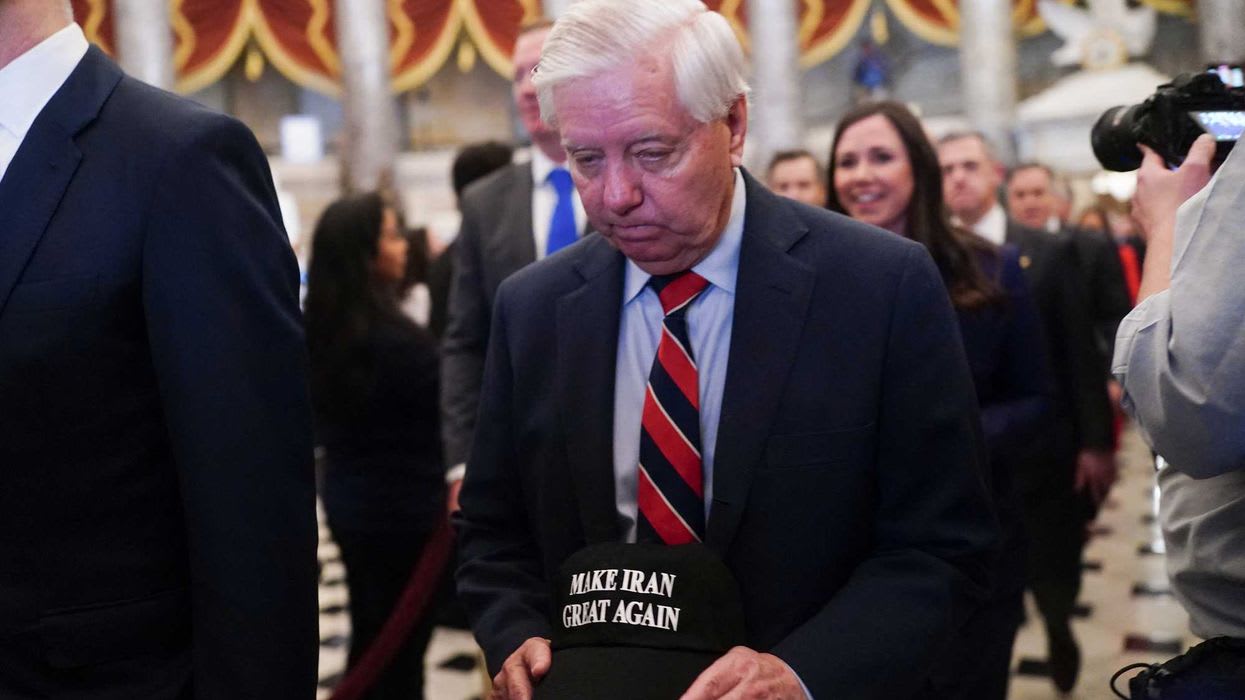
Tech Billionaire Challenges Republican Hawks on Iran Stance
David Sacks, a prominent venture capitalist and a key figure in the White House’s approach to artificial intelligence and cryptocurrency, has publicly diverged from the Republican Party’s hawkish stance on the escalating military actions against Iran. Sacks, a staunch supporter of President Donald Trump, who appointed him to his advisory role last December, expressed strong reservations about the trajectory of the conflict, urging the President to seek a swift de-escalation and exit strategy.
Speaking on his popular “All-In Podcast,” Sacks identified what he described as a “faction of people, I would say largely but not exclusively in the Republican Party,” who are pushing for an escalation of the ongoing military engagement. He argued that this is a critical juncture for President Trump to “declare victory and get out,” warning of dire consequences if the current level of destruction persists. Sacks painted a grim picture, stating that continued conflict could “literally render the Gulf almost uninhabitable.”
Despite these pleas for restraint, the Trump administration has continued its military operations against Iran, a campaign reportedly codenamed Operation Epic Fury. This includes recent authorizations for strikes on key Iranian infrastructure, such as Kharg Island, a vital hub for the nation’s oil exports, which was targeted early Saturday morning.
Sacks’ concerns are not limited to the immediate impact on Iran. He also voiced significant anxieties regarding the long-term security and very existence of Israel, a nation actively collaborating with the United States in the current military actions.
Concerns for Israel’s Security
The venture capitalist elaborated on the potential ramifications for Israel, suggesting that a prolonged conflict could have devastating consequences for the Jewish state.
- Exhaustion of Defences: Sacks warned that if the war were to continue for “weeks or months,” Israel’s air defence systems could become significantly depleted. This could leave the nation vulnerable to further attacks.
- Risk of Nuclear Escalation: A more alarming prospect raised by Sacks is the potential for Israel to consider the use of nuclear weapons if its security is critically threatened. He highlighted this as a grave concern that arises from the prolonged and intense nature of the conflict.
The billionaire’s public dissent highlights a growing debate within the political landscape regarding the strategy and potential outcomes of the US military involvement in the Middle East. While the administration appears committed to its current course of action, Sacks’ remarks underscore the anxieties of influential figures who believe a different approach is urgently needed to avert further catastrophe. The call for an “off-ramp” from the conflict suggests a desire for a diplomatic or strategic withdrawal rather than a prolonged military commitment.
The situation remains highly volatile, with international observers closely watching the developments and the potential for unintended consequences. Sacks’ intervention, coming from a figure closely associated with the President, signals a significant internal challenge to the prevailing hawkish sentiment and a powerful argument for a more cautious and de-escalatory path forward. The economic and humanitarian implications of such a protracted conflict are immense, and Sacks’ warnings serve as a stark reminder of the potential for widespread regional instability.


