Operation Epic Fury: A Nation Divided on the Home Front
The commencement of Operation Epic Fury in Iran has ignited a firestorm of debate, not just on the battlefield, but within the United States itself. While the US defense secretary has adopted an unapologetic and even boastful stance, the American public appears to be grappling with a complex mix of skepticism and weariness regarding the nation’s involvement in yet another foreign conflict.
The Boastful Rhetoric from the Pentagon
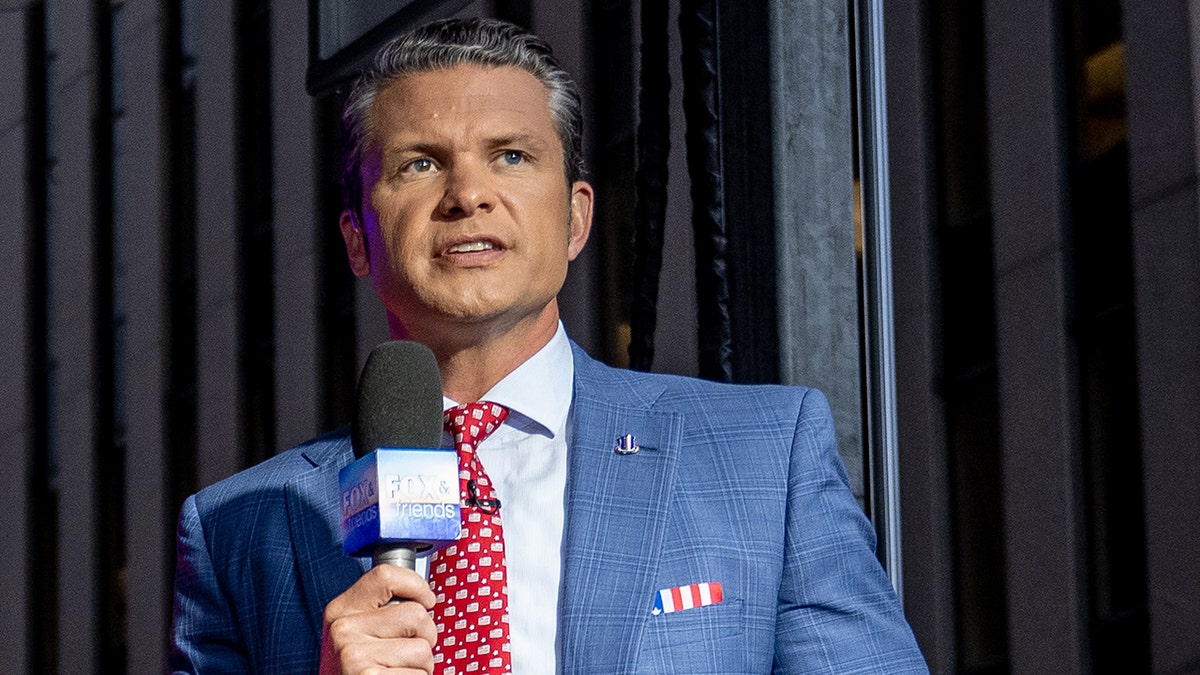
US Defense Secretary Pete Hegseth has been a vocal proponent of Operation Epic Fury, employing a tone that has been described as unapologetic, even defiant. Last week, he declared of the Iranian regime, “They are toast and they know it.” He further emphasised the imbalance of the engagement, stating, “This was never meant to be a fair fight, and it is not a fair fight. We are punching them while they’re down.”
This assertive rhetoric has been amplified by social media campaigns emanating from the White House. These campaigns have featured a striking blend of actual conflict footage interspersed with what appear to be clips from video games. One such video, captioned “Justice the American way,” juxtaposed US military footage with snippets from popular films like Gladiator and Top Gun Maverick. The overarching aim of the Trump administration appears to be projecting an image of overwhelming military might, unwavering control, and an assured victory.
A Public Not Entirely Convinced
However, beneath the surface of official bravado, signs are emerging that the American populace, including some of President Trump’s staunchest supporters, harbours doubts about the war’s alignment with the nation’s best interests. Critics contend that the messaging from both the White House and the Pentagon is inadvertently undermining the very mission they aim to champion.
Rachel VanLandingham, a retired US Air Force lieutenant colonel and now a law professor at Southwestern Law School in Los Angeles, expressed her dismay. “To make it all about the glorification of death and destruction… it’s beneath any American official,” she stated. “It really gives me pause regarding the competency of our leadership that’s running this war.”
The Challenge of Selling War to a Weary Public
A significant hurdle for President Trump in garnering public support for his actions lies in his own past criticisms of protracted US involvement in foreign wars and his promise to avoid initiating new conflicts. Nick Alverson, a 25-year-old supporter of the President, articulated this internal conflict. “Trump has mentioned multiple times, ‘peace through strength’,” Alverson told the ABC. “And to me personally it doesn’t seem to be very peaceful to be participating in something that I would say isn’t really our place, to be putting American lives at risk.”
Even prominent figures within the President’s Make America Great Again (MAGA) movement have voiced their opposition. Former Fox News host Tucker Carlson labelled the war as “absolutely disgusting and evil.” Similarly, Megyn Kelly, another Fox alumni, argued that President Trump had failed to provide sufficient justification for the military action. “Being a Trump supporter, or being part of MAGA, does not mean that you have to accept another Middle East war without questions,” she asserted on her podcast.
Despite these dissenting voices, President Trump has pushed back, asserting that his support base “loves what I’m doing — every aspect of it.” Opinion polls offer a more nuanced picture, suggesting a majority of Republican voters favour the President’s course of action. Furthermore, the President has received backing from his party on Capitol Hill, with nearly all Republicans in Congress voting against a measure to halt the conflict.
However, a Reuters poll surveying voters across the political spectrum revealed a starkly different sentiment. Only 27 per cent of respondents approved of the war, while a significant 43 per cent disapproved, and 30 per cent remained undecided. This lack of widespread public enthusiasm was noted by former Republican presidential advisor and political strategist Karl Rove, who observed, “No rally-‘round-the-flag effect there.’” Rove suggested that the White House needed to improve its efforts in building public support.
Conversely, White House Press Secretary Karoline Leavitt expressed confidence in the President’s standing with the public. “[Iran] is a rogue terrorist regime that has been threatening the United States, our allies, and our people for 47 years,” she stated. “And the American people are smart enough to know that, and they’ve also been smart enough to listen to the president himself.”
The Combative Persona of Pete Hegseth
For those American citizens who are tuning into President Trump’s message, they may find themselves encountering a barrage of mixed signals regarding the rationale and ultimate objectives of Operation Epic Fury. However, one aspect that the commander-in-chief has made unequivocally clear from the outset is the inherent risk of American lives being lost.
The number of US casualties in the conflict is anticipated to be a pivotal factor in determining the level of public support. “We may have casualties. That often happens in war,” President Trump acknowledged in a pre-recorded message released shortly after the initial strikes. Tragically, the following day, six US service members were killed in a drone strike in Kuwait.
Secretary Hegseth referred to these fallen soldiers as “six of our best,” vowing that the US would “avenge them, no doubt.” However, he also voiced his displeasure with media coverage, suggesting an undue focus on the deaths. “I get it, the press only wants to make the president look bad,” he remarked. “But try, for once, to report the reality.”
Hegseth’s communication style is widely recognised for its combative nature. He has openly pledged to eradicate “woke” culture from the Defense Department, decried what he terms “fat generals,” and issued a stark warning to America’s adversaries, urging them to “FAFO” – an acronym for the phrase “f*** around and find out.” He has also been critical of what he perceives as the “dumb, politically driven” wars of the past, asserting that this current conflict would operate under “no stupid rules of engagement.”
This particular brand of rhetoric has raised significant concerns among critics like Professor VanLandingham. “We see the secretary of defense constantly putting [the war] in the framework, the narrative, of a big video game,” she told the ABC. “‘We’re blowing up a lot of stuff, we’re killing a lot of people’… it’s so distasteful to me. I think there probably is a good reason for why we are doing this, but we’re certainly not hearing it from the administration.”
As the conflict unfolds, the question of whether the American public will ultimately rally behind the administration’s narrative or succumb to war-weariness remains a significant point of contention. The stark contrast between the confident pronouncements from the Pentagon and the cautious, often critical, voices from within the nation highlights the deep divisions surrounding Operation Epic Fury.