
The proposed acquisition of Warner Bros. Discovery by Netflix, a deal estimated at a staggering $72 billion (€61.8b), has ignited a flurry of discussion and debate across the media landscape. The potential ramifications of this massive consolidation are far-reaching, touching upon everything from the future of cinematic releases to the livelihoods of entertainment industry professionals. Even figures outside of the entertainment industry, such as former US President Donald Trump, have weighed in on the matter, suggesting the deal “could be a problem.”
The announcement of the deal has sent ripples through Hollywood, particularly concerning the evolving dynamics between traditional theatrical releases and the ever-growing dominance of streaming platforms. For many, this potential takeover represents a pivotal moment in the industry, signaling a further shift towards streaming-centric entertainment consumption. Concerns have been raised by film enthusiasts who fear that this deal could diminish the importance and availability of the traditional cinematic experience, potentially leading to fewer big-budget films premiering in theaters.
Through this acquisition, Netflix would gain control over a vast library of iconic films and television series currently owned by Warner Bros. Discovery. This includes immensely popular franchises and properties like:
- The Harry Potter series
- The Batman franchise
- HBO Max’s extensive catalogue
Netflix reportedly emerged victorious in a competitive auction process, surpassing bids from other major players in the media industry, including Paramount Skydance and Comcast, the owner of Sky.
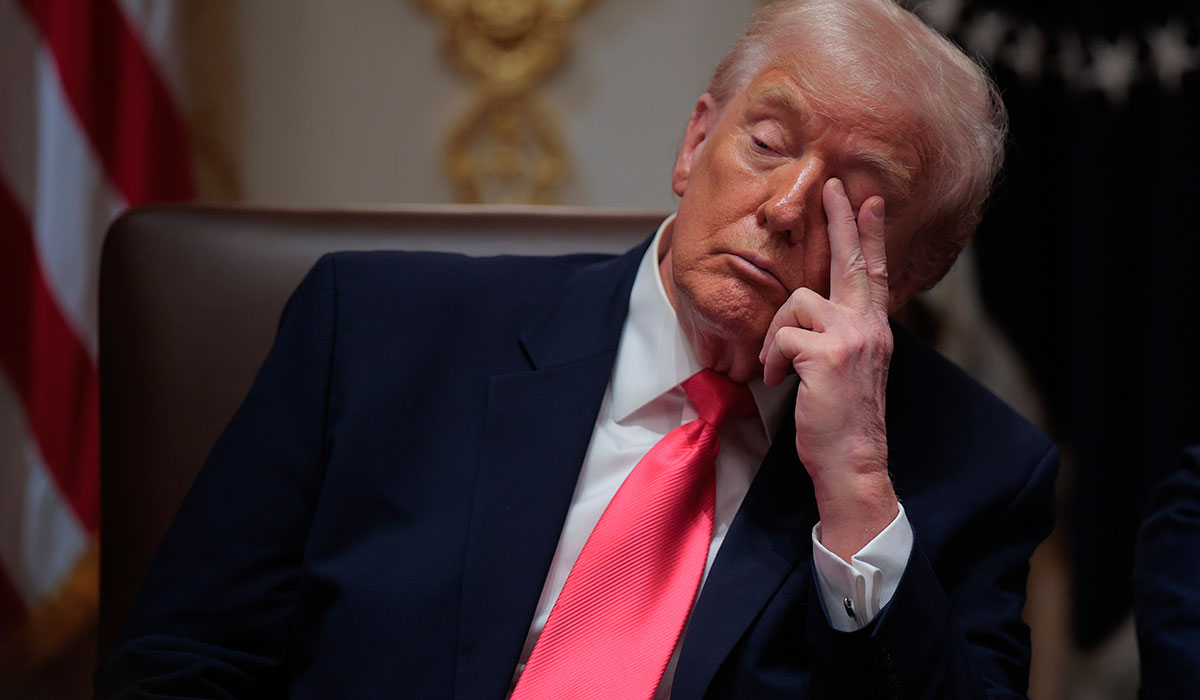
Trump’s comments on the proposed deal came during a red-carpet appearance at the Kennedy Center Honors. Responding to questions about the acquisition, he stated, “There’s no question about it. It could be a problem.” He further elaborated that the deal would “go through a process” and that the authorities would be closely monitoring the situation.
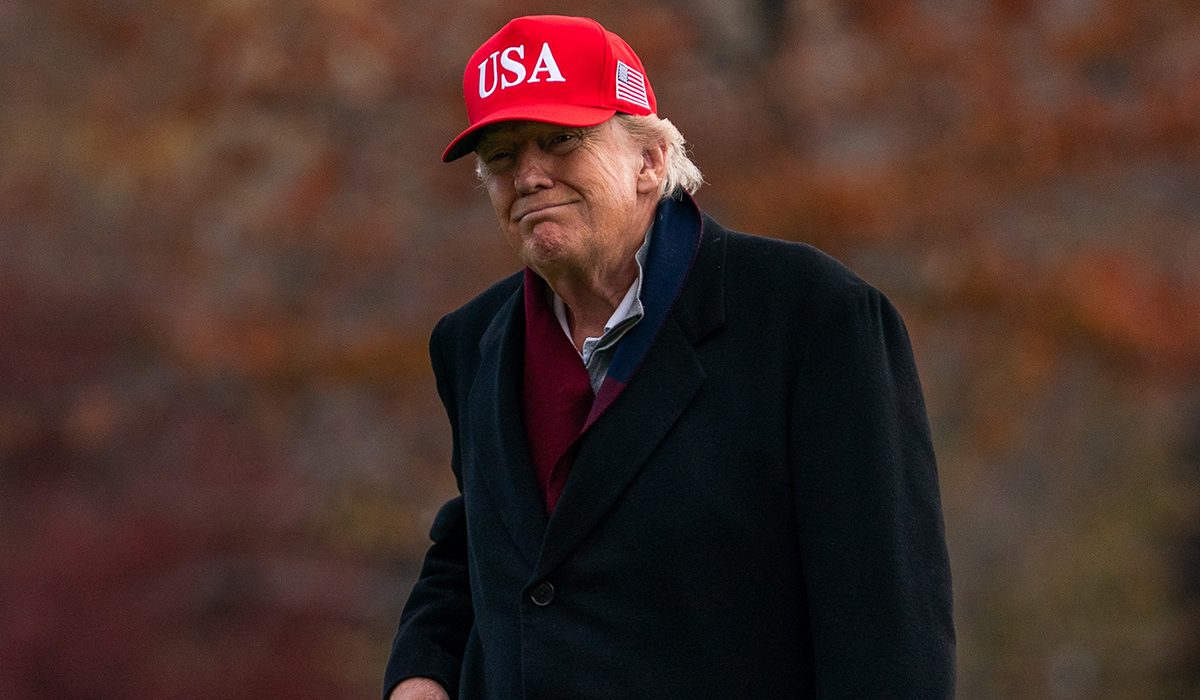
Despite expressing concerns about the potential implications of the deal, Trump also offered praise for Netflix and its CEO, Ted Sarandos. “Netflix is a great company. They’ve done a phenomenal job. Ted is a fantastic man,” he said. Trump also mentioned a recent meeting with Sarandos in the Oval Office, which took place shortly before the deal was publicly announced.
The former president’s remarks highlighted the complex considerations surrounding the acquisition, acknowledging both the potential benefits and the potential risks associated with such a significant consolidation of media assets. “I have a lot of respect for him, but it’s a lot of market share, so we’ll have to see what happens… They have a very big market share and when they have Warner Bros, you know, that share goes up a lot, so, I don’t know. I’ll be involved in that decision, too. But they have a very big market share.”
Beyond the concerns of individual viewers, the proposed deal has also drawn criticism from labor unions representing creative professionals in the United States. The Writers Guild of America West (WGAW) and the Writers Guild of America East (WGAE), which represent writers working in film, television, radio, and online media, have jointly issued a statement urging regulators to block the takeover.
The unions argue that the acquisition would likely lead to:
- Job losses
- Reduced wages
- Worsened working conditions for entertainment industry employees
Their primary concern is that the consolidation of power in the hands of a single entity like Netflix could create an imbalance in the industry, potentially leading to exploitation and a decline in the quality of creative work. The WGAW and WGAE have emphasized the importance of preserving a diverse and competitive media landscape to ensure fair treatment and opportunities for writers and other creative professionals.
The unions’ statement underscores the broader implications of the deal, highlighting the potential impact on the individuals who contribute to the creation of the films and television shows that consumers enjoy. As regulators review the proposed acquisition, they will need to consider not only the potential effects on market competition and consumer choice but also the potential consequences for the livelihoods of workers in the entertainment industry. The decision will undoubtedly have a significant and lasting impact on the future of Hollywood and the broader media landscape.

