
Victorian businesses found to be peddling illegal tobacco could soon face the ultimate penalty: closure. New legislation is on the horizon, specifically designed to dismantle the organised crime syndicates deeply entrenched in the illicit tobacco trade across the state.
The Victorian government has announced that Tobacco Licensing Victoria (TLV) will be armed with significantly enhanced powers. Chief among these is the authority to compel the immediate shutdown of any establishment caught engaging in the sale of illegal tobacco products. This move signals a serious escalation in the government’s commitment to stamping out this harmful trade.
Furthermore, the crackdown extends to property owners. Landlords will now possess the power to evict businesses operating on their premises if they are found to be involved in selling illicit tobacco. In a bid to ensure compliance, landlords could also face new penalties if they are found to have knowingly permitted such activities within their properties. This places a greater onus on property owners to vet their tenants and monitor their activities.
In a strategic move to disrupt the supply chain and expedite legal proceedings, inspectors will be granted the authority to destroy seized illegal tobacco before it even reaches the courtroom. The government argues that this measure will not only prevent illegal tobacco from flooding the streets but also streamline the prosecution process, ensuring swifter justice.
Minister for Casino, Gaming and Liquor Regulation, Enver Erdogan, stated that these pivotal new laws are slated for introduction within the current year. “Illegal tobacco is not a victimless crime,” Mr Erdogan emphasised. “We are witnessing its detrimental impact on organised crime networks and its corrosive effect on legitimate businesses that diligently adhere to the established rules.”
He further elaborated on the swiftness with which offending businesses will be dealt with. “Stores found to be selling these illegal products will be able to be shut down as efficiently as possible,” he assured. “We have introduced powers that will enable the regulator and Victoria Police to close down stores immediately.”
The duration of these closures remains a significant deterrent. Mr Erdogan clarified that establishments could face temporary suspensions or indefinite shutdowns, depending on the severity of the offence. “The message needs to be unequivocally clear: if you are involved in this illicit trade, you will face stringent new penalties.”
The government has also released preliminary statistics from the inaugural month of TLV’s operations, which commenced enforcing licensing requirements on February 1. These figures paint a stark picture of the scale of the problem.
Seizures and Penalties
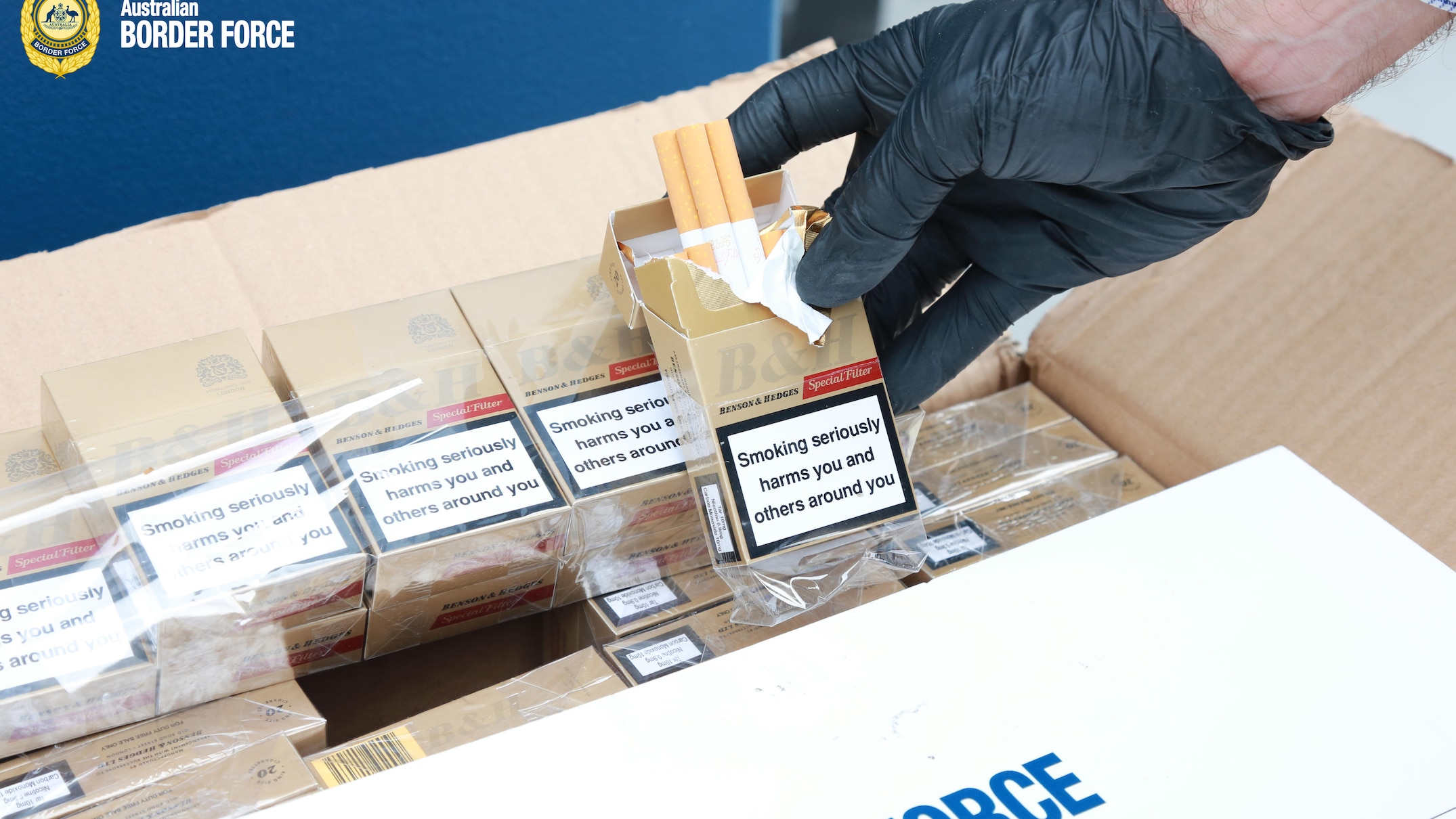
In its first month, TLV has already made substantial seizures, demonstrating the prevalence of illegal tobacco within Victoria. The confiscated goods are valued at nearly $5 million and include:
- 3.19 million cigarettes: A staggering quantity, highlighting the widespread availability of counterfeit and untaxed cigarettes.
- 2,243 cigars: Indicating that the illicit trade extends beyond cigarettes to more premium tobacco products.
- 40 kilograms of loose-leaf tobacco: Suggesting a market for hand-rolled cigarettes and other forms of tobacco consumption.
- 32 kilograms of shisha tobacco: Pointing to the involvement of illicit trade in the popular shisha bar scene.
The penalties for individuals and businesses caught flouting the law are substantial, serving as a powerful disincentive.
- Individuals: Face potential fines of up to $370,000 or imprisonment for up to 15 years.
- Businesses: Can be hit with penalties exceeding $1.8 million, a significant financial blow that could lead to bankruptcy.
To date, TLV has identified 49 stores that are currently in breach of their licensing requirements. This figure underscores the immediate need for the enhanced enforcement powers outlined in the new legislation. The government’s proactive approach aims to disrupt the financial underpinnings of organised crime and protect both public health and legitimate commerce.


