
Public Sector Staff Utilise Paid Leave for Trade Union Activities, Costing Taxpayers Millions
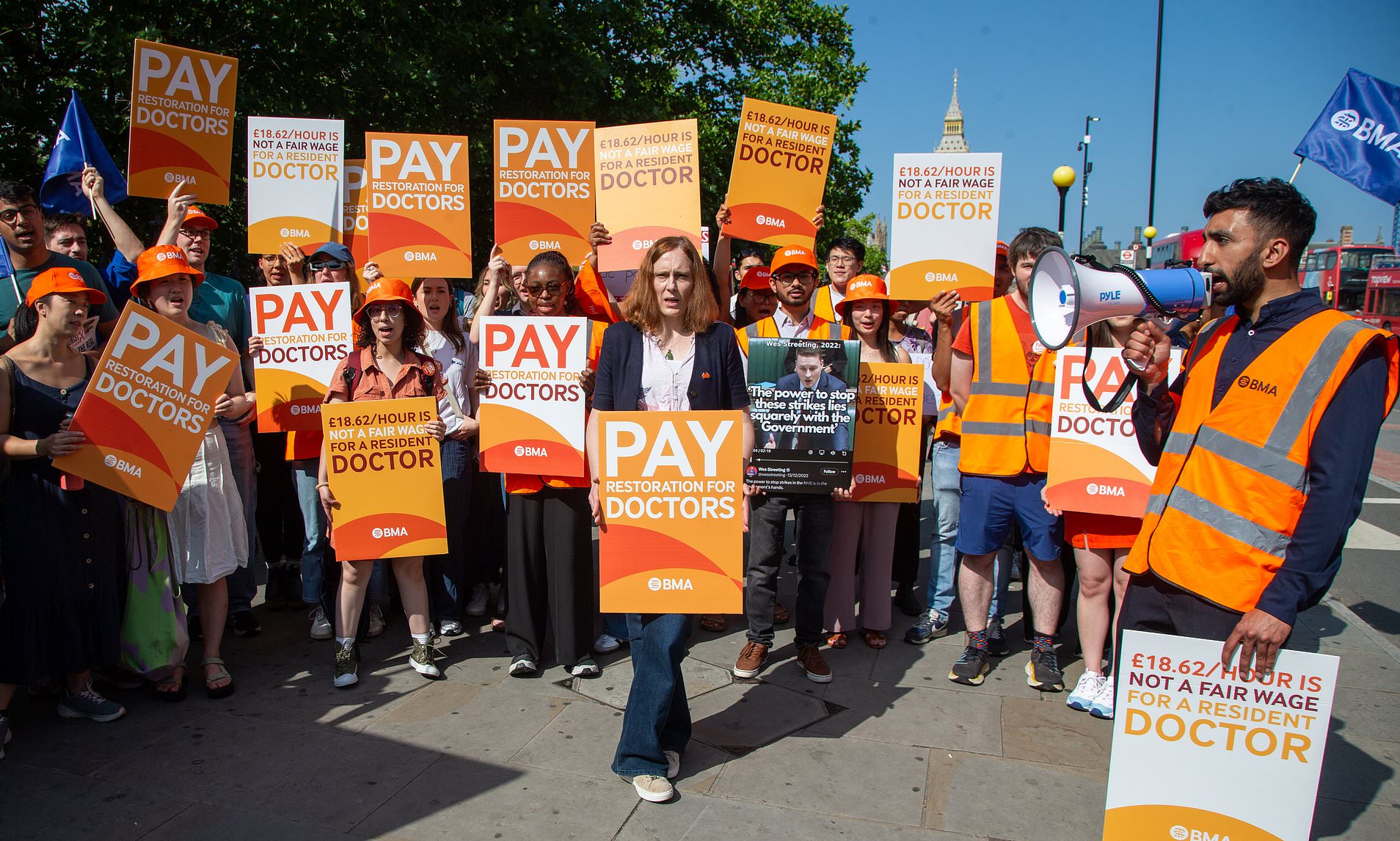
New figures have revealed that a significant number of public sector employees across the United Kingdom are utilising paid leave to engage in trade union activities, including the planning of industrial action. Last year alone, nearly 15,000 public sector staff, encompassing approximately 3,000 NHS workers, were granted paid time off for these duties. This arrangement, known as ‘facility time’, allows employees to carry out trade union work while still receiving their wages, funded by taxpayers.
The total expenditure by councils, schools, Whitehall departments, and the health service to cover these costs amounted to around £90 million last year. Of the over 20,000 union representatives embedded within public bodies, a substantial 74 per cent, or 14,976 individuals, benefited from paid leave for their union-related responsibilities.
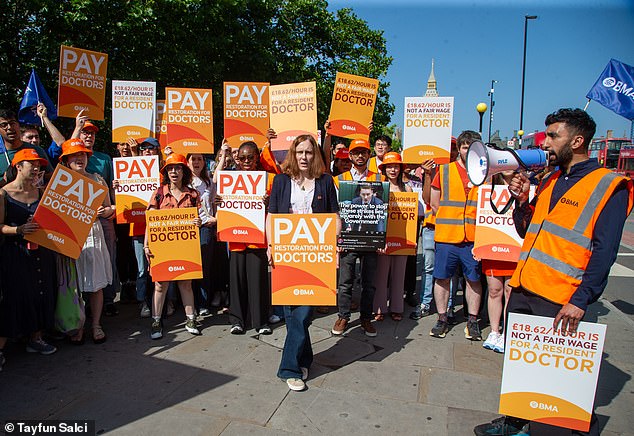
A particularly striking aspect of the data is that 2,258 of these individuals dedicated more than half of their working hours to union business, diverting their time away from public service delivery. Alarmingly, nearly 1,000 employees focused their entire working time on union causes, which included activities such as distributing leaflets and strategising for industrial action. This has led to concerns that taxpayers are inadvertently funding strike plots that subsequently disrupt essential public services, citing examples like resident doctors’ walkouts, HM Revenue and Customs (HMRC) strikes, and industrial action by bin collectors.
Critics argue that this situation has allowed trade unions, described as “paymasters,” to exert considerable influence over public bodies, with some organisations reportedly allocating up to 15 per cent of their wage bill to staff engaged in union work.
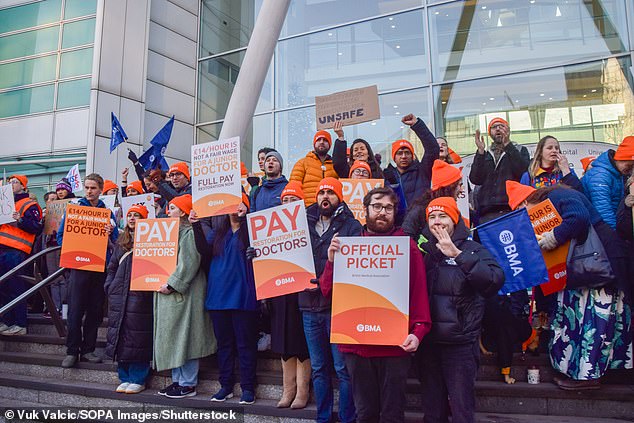

Further concerns have been raised that these figures are likely to escalate following recent changes to regulations. Labour’s Employment Rights Bill, which received Royal Assent in December, has reportedly diluted rules previously aimed at limiting ‘facility time’.
NHS Faces Significant Facility Time Costs
The National Health Service (NHS) alone incurred costs of nearly £19 million last year for staff engaged in trade union activities. This represents a 10 per cent increase compared to figures from three years prior. Across more than 150 health trusts, 2,978 staff were granted paid leave to dedicate at least some of their working day to union matters. This included 305 individuals who spent over half their working hours on union business and 172 who devoted their entire working time to it, rather than patient care.
The financial burden on the NHS for facility time was second only to that of local councils.
Councils Bear Largest Facility Time Expenditure
Councils collectively spent £29.4 million on facility time last year, a figure that is likely to be met with frustration by homeowners facing council tax hikes of at least 5 per cent. More than 3,000 council workers received paid leave to engage in union activities. Of these, 631 spent more than half their working hours on union work, and nearly 500 dedicated their entire working time to these pursuits.


Whitehall Departments and Specific Ministries Highlighted
Whitehall departments also saw substantial spending on facility time, amounting to £13.8 million last year, an increase from £10.9 million three years ago. Over 3,600 civil servants benefited from paid leave for union activities, with 1,065 spending over half their time on union business.
The Ministry of Justice emerged as the organisation with the highest facility time bill, costing £3.2 million. This was followed by HMRC (£2.3 million) and the NHS Lothian health trust (£2.2 million). In terms of the number of union representatives embedded within public bodies, the Department for Work and Pensions led with 1,014, followed by HMRC (776) and the Ministry of Justice (647).
Political Reactions and Criticisms
Former Tory Health Secretary Steve Barclay criticised the diversion of resources, stating, “While [Health Secretary] Wes Streeting is prioritising his bid for No 10, trade unions are diverting resources away from patients to fund their hard Left campaigns. NHS funds should be focused on improving patient care, but instead mismanagement like this is why taxes are going up to a record high.”
Former Tory leader Sir Iain Duncan Smith voiced strong opinions, asserting, “This Labour government is in hoc to the unions. They’re their paymasters. So everything is going to get worse because people like Angela Rayner believe in all this rubbish, which is that there can be no end to the rights of workers. The problem is they’re driving people away from the country because under all the new arrangements this stuff is now fully extendable to the private companies and half the reason why productivity is so bad in the UK is that the public sector drags it down. Public sector productivity is shockingly low and these figures partly explain why.”


John O’Connell, chief executive of the TaxPayers’ Alliance, expressed his dismay: “Taxpayers have long been livid about the extent to which trade unions have taken over public sector bodies, with most organisations putting paid-up union employees on the pay roll. It is particularly shocking that NHS trusts, so frequently moaning about a lack of resources, are some of the worst offenders, as these figures show. The NHS needs to cut down on facility time, and at the very least ban staff working more than 50 per cent of their hours for a union.”
Impact of Industrial Action on Public Services
The recent resident doctors’ strikes, orchestrated by the British Medical Association (BMA) union, are estimated to have already cost the NHS at least £250 million, with forecasts suggesting this could exceed £1 billion in the coming years if such walkouts continue. These strikes have led to hundreds of thousands of operations being rescheduled or cancelled, contributing to worsening waiting lists at many trusts.
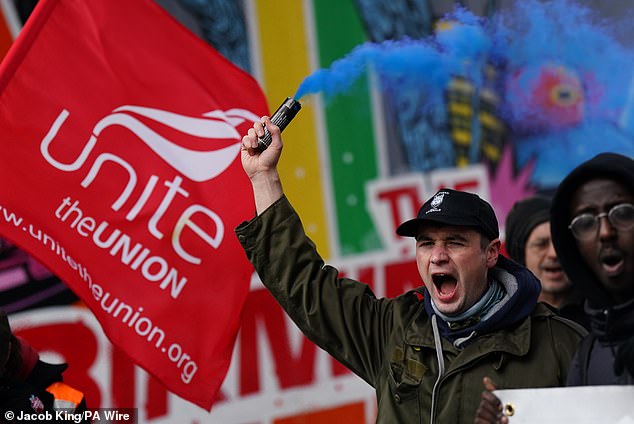
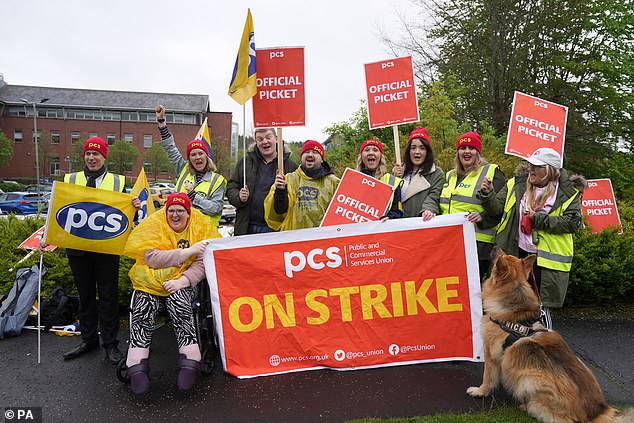
Bin collection strikes by the Unite union have also impacted residents, as seen in Birmingham following walkouts that began in January of last year. Similarly, HMRC strikes by the PCS union in the previous year caused significant delays in tax refunds and disrupted other customer services. Since Labour’s election victory in July 2024, over 800,000 working days have been lost to strike action across both the private and public sectors.
Legislative Changes and Future Implications
Under Labour’s Employment Rights Bill, the requirement for public bodies to formally record the cost to taxpayers of facility time has been abolished. This means that the figures released last week by the Cabinet Office may represent the last comprehensive overview of these expenditures. The new legislation is expected to grant union representatives greater autonomy in how they utilise ‘facility time’, potentially leading to more time off from their core duties for union business. Government guidance indicates this includes time off “for the purpose of promoting the value of equality in the workplace.”
Furthermore, critics have highlighted that the Bill repeals the minimum 50% turnout requirement for strike ballots, a measure introduced under the previous Conservative government, which could make future industrial action easier to initiate.
Union Perspective on Facility Time
Dr. Tom Dolphin, chair of the BMA council, defended facility time, stating, “Facility time is an essential part of a well-functioning workplace. It empowers reps from the BMA and other unions, all hard-working NHS staff, to support their colleagues by sorting workplace disputes, identifying errors of management and protecting patient safety.”
A Government Spokesperson commented, “We are investing record levels into our NHS to cut waiting lists and get patients seen on time, with more doctors and nurses on the front line. As a proportion of pay, these costs are in line with previous years.”
Birmingham City Council’s Facility Time Expenditure
In a specific instance, Birmingham City Council, which has been at the centre of year-long bin strikes, allocated over £1 million in paid leave for staff to engage in trade union activities. The Labour-run council spent £1.1 million on ‘facility time’ during the 2024/25 financial year, allowing staff who are trade union officials to carry out their duties. It is understood that some of this expenditure related to officials affiliated with the Unite union, which is involved in the ongoing strikes.
This situation has drawn criticism, as residents whose council tax bills were increased by 20 per cent due to the council’s bankruptcy may have inadvertently funded the planning of strikes that began in January of the previous year. A total of 31 Birmingham City Council staff reportedly spent their entire working hours on union business last year. Facility time has cost the local authority £3.5 million over the past three years.
Across the UK, town halls spent £29 million last year on paid leave for union business, with many planning council tax hikes. Over 3,200 council staff spent at least some of their working hours on union matters.
The article also notes that a significant number of MPs, particularly from the Labour party, have received substantial financial contributions from the Unite union. While ministers have urged refuse workers to accept the council’s offer, they have been notably hesitant to publicly condemn the union. The bin strikes in Birmingham have led to substantial accumulations of rubbish, with residents reporting significant pest issues. The dispute centres on the proposed elimination of a waste recycling and collection officer role, which the council argues is necessary to align with national standards and a legal ruling on equal pay. Unite contends that the role is not redundant and its removal would result in a £8,000 annual pay cut for 150 workers, a figure disputed by the council.
A spokesperson for Birmingham City Council stated, “Birmingham is the largest local authority in the country, so the amount cited for facility time reflects that.”