

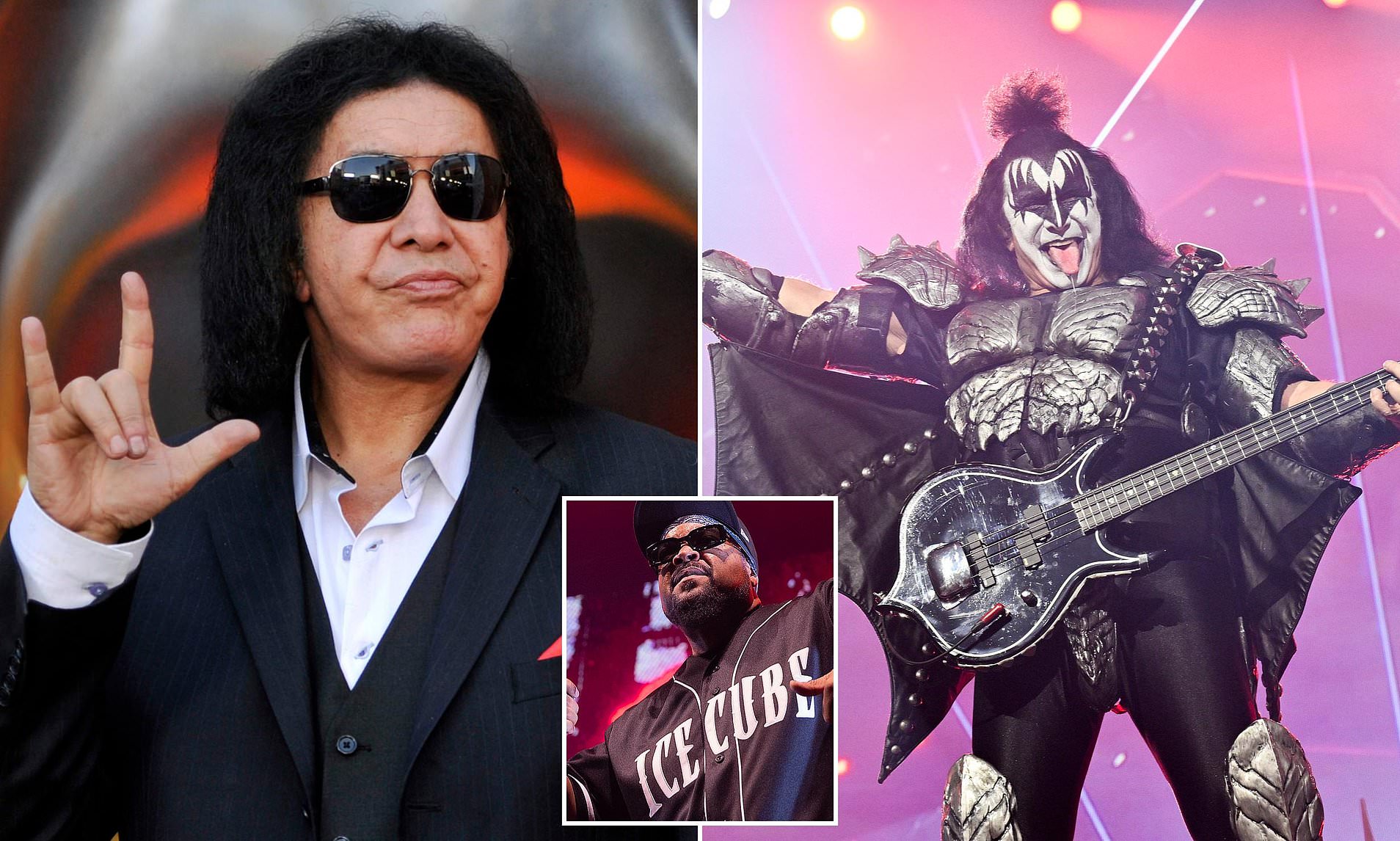
Gene Simmons Sparks Debate Over Rock & Roll Hall of Fame Inclusions
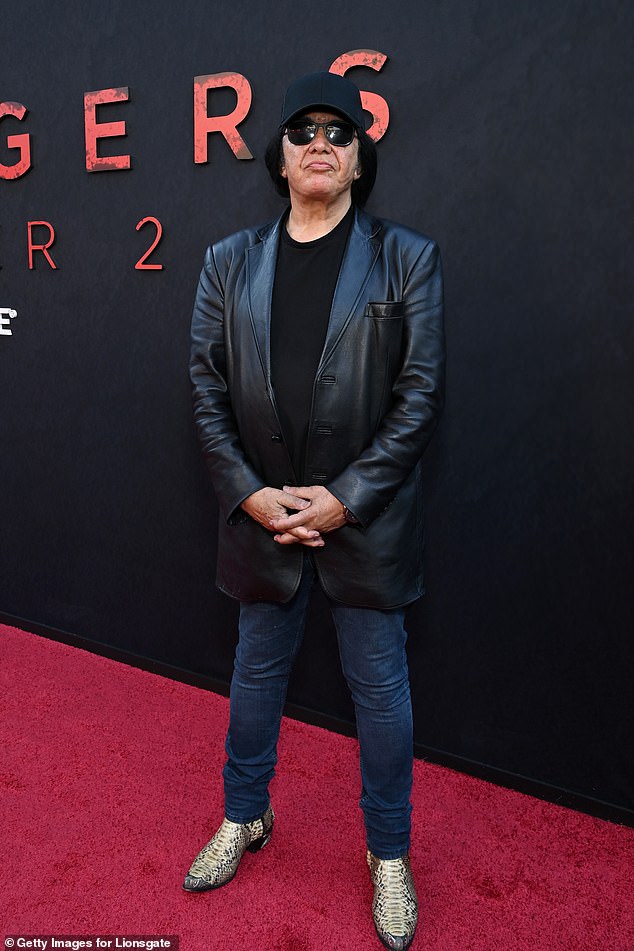
Gene Simmons, the iconic bassist and vocalist for the legendary rock band Kiss, has ignited a firestorm on social media following controversial remarks regarding the Rock & Roll Hall of Fame’s induction of hip-hop artists. The 76-year-old musician expressed his strong reservations, arguing that genres like rap and hip-hop do not align with his definition of “rock and roll.”
Simmons’s sentiments, aired during a recent appearance on the Legends N Leaders podcast, have drawn sharp criticism, with many users accusing him of being out of touch and even racist. A particularly contentious point of contention was his statement that he “doesn’t come from the ghetto” as a rationale for excluding hip-hop artists from the esteemed institution located in Cleveland, Ohio. This comment was widely interpreted as a racially charged dismissal of the cultural origins and experiences that often inform hip-hop music.
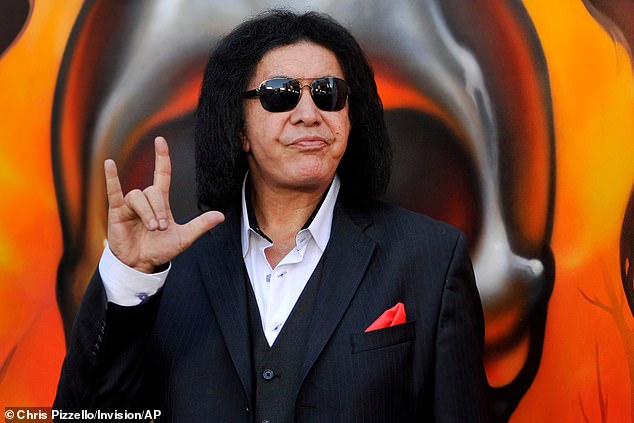
The veteran rocker’s critique appeared to stem from a broader dissatisfaction with the Hall of Fame’s selection process, particularly the perceived oversight of established rock acts. He highlighted the absence of influential heavy metal band Iron Maiden, who have achieved massive global success by selling out stadiums, while citing the inclusion of artists like Grandmaster Flash as a point of contention.
“The fact that, for instance, Iron Maiden is not in the Rock & Roll Hall of Fame when they can sell out stadiums, and Grandmaster Flash is,” Simmons stated, implying a disconnect between popular acclaim within the rock sphere and the Hall of Fame’s choices.
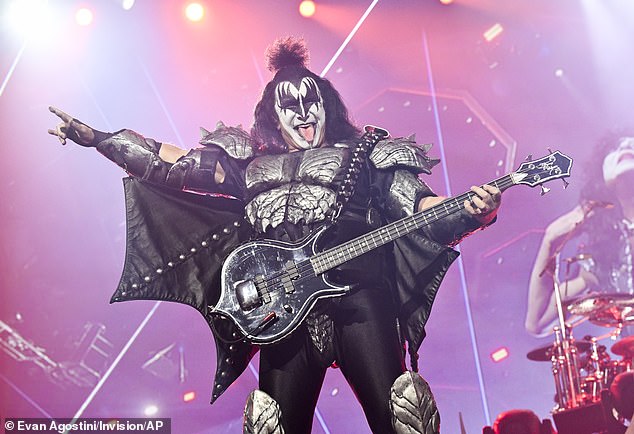
Simmons further elaborated on his personal disconnect from hip-hop culture, referencing a past exchange with rapper-turned-actor Ice Cube. While acknowledging Ice Cube as an intelligent individual with significant achievements, Simmons maintained that hip-hop’s musical expression was not something he identified with. “Ice Cube and I had a back and forth — he’s a bright guy, and I respect what he’s done,” Simmons said. “It’s not my music. I don’t come from the ghetto. It doesn’t speak my language.”
This stance, he insisted, was not a new one, having voiced similar opinions previously. “I said in print many times: Hip-hop does not belong in the Rock & Roll Hall of Fame, nor does opera, symphony orchestras,” he asserted. “It’s called the Rock & Roll Hall of Fame.”
Simmons recounted that Ice Cube had countered his argument by suggesting that the Hall of Fame represented “the spirit of rock n’ roll.” Simmons, however, retorted with a rhetorical question: “OK, fine … I just want to know when Led Zeppelin’s gonna be in the Hip-Hop Hall of Fame. Music has labels, because it describes an approach.”
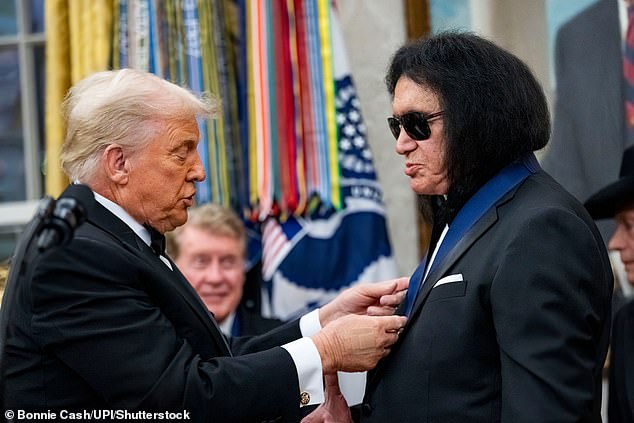
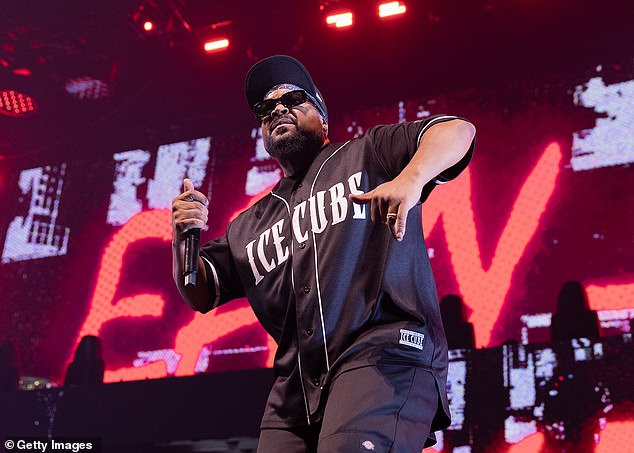
His earlier interviews reveal a consistent theme of this sentiment. In a 2014 conversation with Radio.com, Simmons expressed similar bewilderment: “You’ve got Grandmaster Flash in the Rock & Roll Hall of Fame? Run-D.M.C. in the Rock & Roll Hall of Fame? You’re killing me!” He elaborated, “That doesn’t mean those aren’t good artists. But they don’t play guitar. They sample and they talk. Not even sing… They can run their organization any way they’d like, but it ain’t rock!”
Ironically, while Simmons champions the inclusion of rock artists, his own band, Kiss, was inducted into the Rock & Roll Hall of Fame in 2014.
The debate over hip-hop’s place in the Hall of Fame is not a new phenomenon. Following the induction of Eminem in 2022, the Hall of Fame’s CEO, Greg Harris, defended the connection between rock and hip-hop. Harris described Eminem’s music as “as hard hitting and straight ahead as any metal song… It’s a chest punch with a message and with a power and with a rhythm and with a band,” according to a report via Billboard.
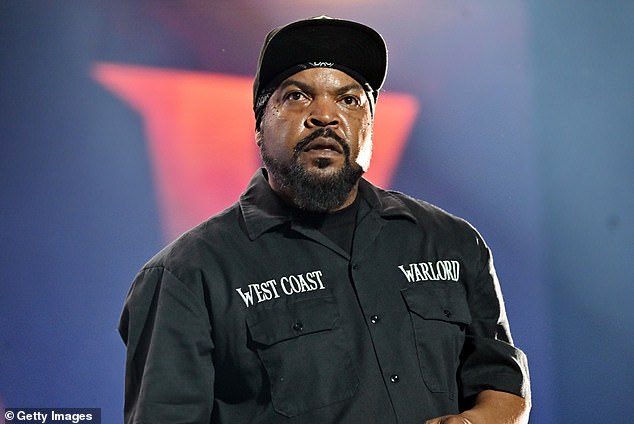
It’s worth noting that Ice Cube, Simmons’s sparring partner in the podcast discussion, was himself inducted into the Hall of Fame two years after Kiss, for his work with the seminal rap group N.W.A. During his induction speech, the rapper, born O’Shea Jackson, eloquently defended hip-hop’s rightful place within the institution.
Redefining “Rock and Roll”
Ice Cube’s impassioned defense challenged the narrow definition of “rock and roll” that Simmons seemed to adhere to. He argued that the term transcended specific musical instruments or genres.
- “Rock n’ roll is not an instrument. It’s not even a style of music,” Ice Cube declared.
- “It’s a spirit that’s been going on since the blues, jazz, bebop, soul, rock n’ roll, R&B, heavy metal, punk rock and, yes, hip-hop.”
- He further elaborated on the essence of rock and roll: “Rock n’ roll is not conforming to the people who came before you, but creating your own path in music and life. That is rock n’ roll and that is us.”
This broader interpretation of “rock and roll” as a spirit of rebellion, innovation, and self-expression resonates with the inclusion of a diverse range of artists who have pushed boundaries and carved out unique paths in music. Beyond the artists mentioned, the Rock & Roll Hall of Fame has also honored other pioneering hip-hop figures, including LL Cool J, Jay Z, and Missy Elliott, further cementing the genre’s significant impact on the musical landscape. The ongoing discussion highlights the evolving nature of music and the challenges in rigidly categorizing artistic expression.