The Age Pension Squeeze: When Retirement Becomes a Distant Dream
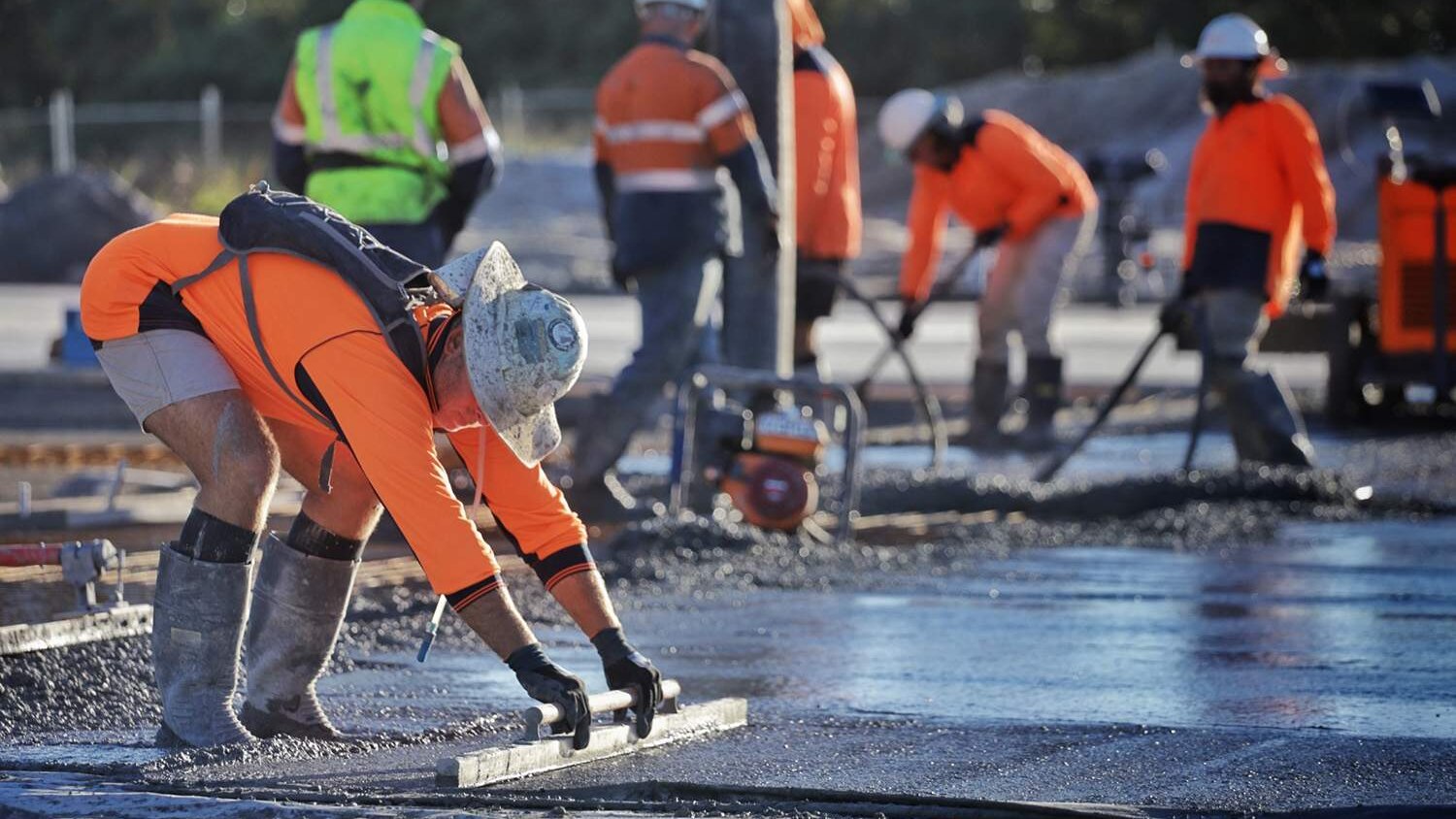
Australia’s decision to push the age pension eligibility from 65 to 67 in 2023 has cast a long shadow over the retirement plans of many Australians. For individuals like Ross, a former manual labourer whose body has been “destroyed” by decades of physically demanding work, this shift means an extended and often impossible wait to access vital income support.
Ross’s story, shared with the ABC, highlighted a growing concern: many Australians are finding themselves unable to continue working until the new pension age, especially those in physically taxing professions. With limited superannuation savings, Ross has been relying on JobSeeker payments for the past four years, a significantly lower income than the age pension, leaving him in a constant struggle for survival.
His experience resonated deeply with countless other Australians. “I still have eight years of work left and I think I will die with my boots on,” lamented Laurie, echoing a sentiment of resignation and frustration. “I will not make it to retirement and get to enjoy life as I should — if I don’t have my health then what is the use.” Another individual, Matt, starkly put it, “We are working ourselves to the grave.”
The toll on workers in physically demanding sectors is undeniable. Nurses and disability support workers have also spoken out about the cumulative damage to their bodies. “My body is stuffed I have chronic back issues, shoulder and neck issues,” shared Karen, illustrating the physical realities faced by many. Barb added a layer of emotional distress, stating, “The stress and anxiety from chronic and relentless pain is compounded by overwhelming financial pressures, so it’s terrifying.”
Financial coach Karen Eley described this as a serious issue for Australia’s aging population. “It’s disappointing the government hasn’t considered the unintended consequences of increasing the age pension for hard-working Australians,” Ms Eley commented, underscoring the perceived lack of foresight in policy changes.
Navigating Early Retirement: Options and Considerations
For those who wish to or, due to circumstances, need to retire earlier than the government-stipulated age, understanding available options is crucial. These pathways largely depend on whether one’s retirement income will be primarily derived from the age pension or superannuation.
It’s important to note that the following information is general in nature. For specific circumstances, seeking independent professional financial advice is highly recommended.
Accessing Your Superannuation
Generally, Australians can access their superannuation when they reach 65 years old, regardless of their employment status. However, earlier access is possible under specific conditions:
- Reaching Preservation Age: This age varies between 55 and 60, depending on your date of birth. For those born after July 1, 1964, the preservation age is 60.
- Meeting Work/Retirement Criteria: Once you’ve reached your preservation age, you have two main options:
- Full Retirement: You can cease all work and access your superannuation savings.
- Transition to Retirement (TTR) Stream: This allows you to commence drawing an income from your super while continuing to work, potentially reducing your hours without a significant drop in income. Your part-time earnings can be supplemented by your TTR income stream.
Understanding Age Pension Eligibility
The age pension is currently accessible from the age of 67, provided you have been living in Australia and maintained residency for at least 10 years. However, eligibility is subject to strict income and asset tests.
Asset Limits: To receive a full age pension, there are limits on the value of assets you can own. Most real estate is included, with the exception of your principal home and up to two hectares of surrounding land. Income streams and superannuation pensions are also considered assets.
Your Situation Homeowner Non-homeowner Single $321,500 $579,500 A couple, combined $481,500 $739,500 A couple, separated due to illness $481,500 $739,500 A couple, one partner eligible $481,500 $739,500 Asset Limits for a Part Pension: Higher asset thresholds apply if you are eligible for a part pension.
Your Situation Homeowner Non-homeowner Single $704,500 $962,500 A couple, combined $1,059,000 $1,317,000 A couple, separated due to illness $1,247,500 $1,505,500 A couple, one partner eligible $1,059,000 $1,317,000 Pension Rates (Per Fortnight, Before Tax):
Category Single Couple Each Couple Combined Couple Apart Due to Ill Health Maximum Basic Rate $1,051.30 $792.50 $1,585.00 $1,051.30 Maximum Pension Supplement $83.60 $63.00 $126.00 $83.60 Energy Supplement $14.10 $10.60 $21.20 $14.10 Total $1,149.00 $866.10 $1,732.20 $1,149.00
Early Superannuation Access in Specific Circumstances
For those unable to work due to genuine hardship or medical reasons before reaching preservation age, early access to superannuation may be possible under limited conditions:
- Compassionate Grounds: This can include expenses for medical treatment, palliative care, funeral costs, or to prevent the forced sale of your home.
- Terminal Medical Condition: If diagnosed with a terminal illness.
- Permanent Incapacity (Disability Super Benefit): If you have a permanent physical or mental medical condition that is likely to prevent you from ever working in a job for which you are qualified. Your super fund must be satisfied with the evidence.
- Income Protection Insurance: You may also be able to claim on any income protection insurance held within your super fund.
- Severe Financial Hardship: Assessed by your super fund, this could apply if you are unemployed and unable to meet mortgage payments, among other criteria. Lump sums are generally capped at $10,000.
It’s crucial to be aware that early withdrawals may have tax implications depending on your age.
Alternative Strategies for Early Retirement
Beyond superannuation and the age pension, other avenues can assist those needing to retire early:
- Reverse Mortgages: For homeowners, a reverse mortgage allows you to borrow against your home’s equity. Repayments are typically deferred until you pass away or sell the property. Financial coach Karen Eley stresses the importance of obtaining independent advice to fully understand the terms and conditions, as it creates a debt against your home.
- Downsizing Your Home: Selling a larger family home and purchasing a smaller, more affordable property can free up significant capital. This difference can be injected into superannuation or used as living expenses until other retirement income streams become available. For example, selling a $700,000 home and buying for $500,000 releases $200,000.
Tax Benefits and Support for Older Australians
- Tax Offsets: If you are aged 60 or over and have retired, you may be eligible for tax offsets from the Australian Tax Office (ATO). Eligibility depends on your income, assets, income sources, and whether you are fully or partially retired.
- Part-Pension Eligibility: If your superannuation benefits are insufficient to cover your retirement needs, you might qualify for a part-pension.
- JobSeeker Supplement: Recognising the challenges older Australians face in finding employment, those over 55 who have been on JobSeeker for nine months receive an additional $55 per fortnight.
Where to Find Further Assistance
Navigating retirement planning can be complex. Several resources are available to help:
- Moneysmart: The Australian Securities & Investment Commission’s (ASIC) Moneysmart website offers a wealth of information, tools, and calculators to assist with retirement preparation.
- Super Funds: Your superannuation provider can offer various calculators and resources to help you plan.
- Financial Advisers: For personalised advice tailored to your unique circumstances, contacting your super fund or a registered financial adviser is recommended.
Ms Eley cautions that accessing superannuation earlier than your preservation age can have long-term implications. Similarly, while mortgage brokers and banks can provide information on accessing home equity for those over 60, understanding the associated costs and long-term impacts of drawing down on your home’s equity through these loans is paramount.