
Rising Public Transport Use in Western Australia
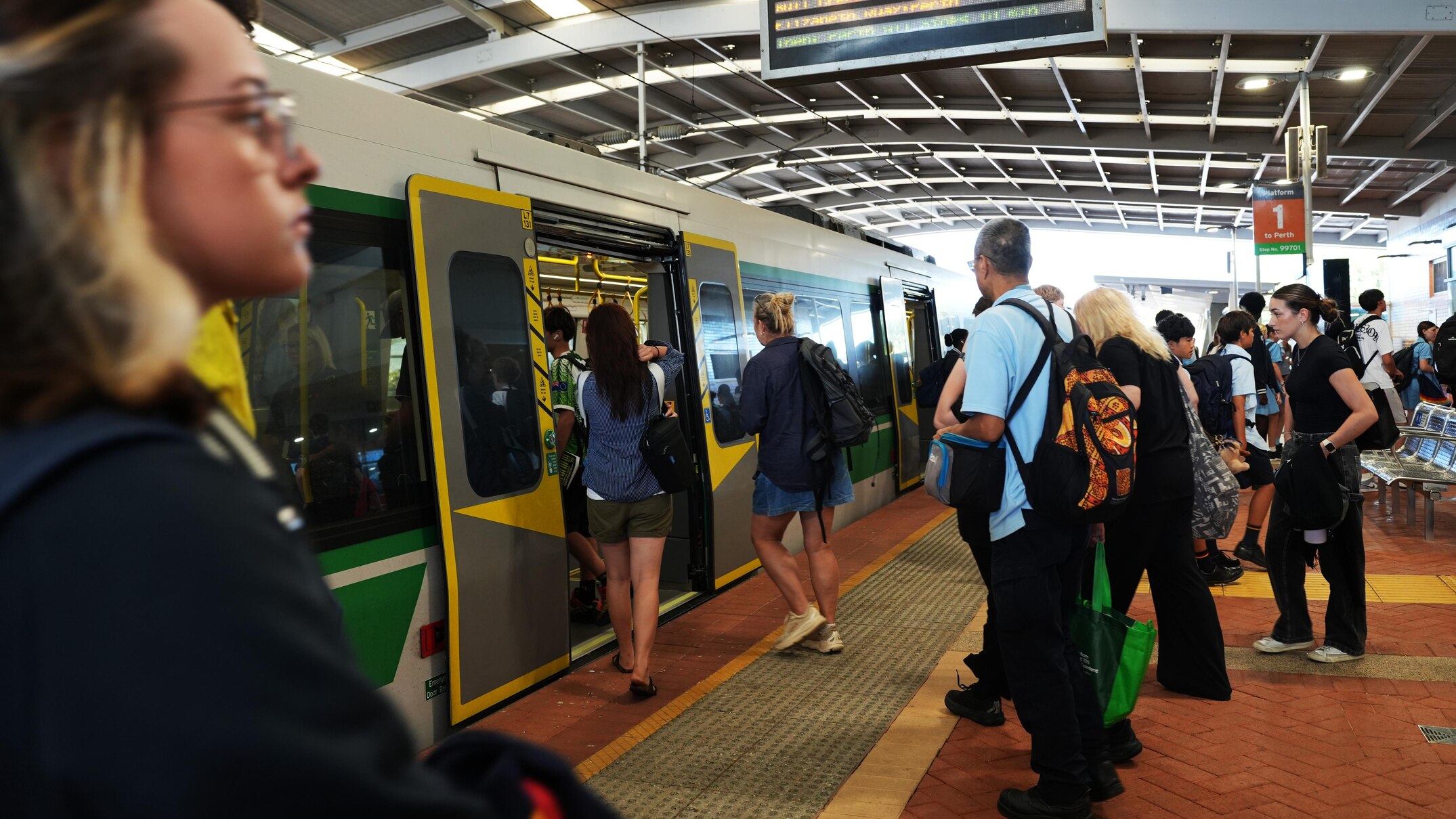
Western Australia’s government has reported a significant increase in the use of public transport over the past three weeks. This rise coincides with a sharp increase in petrol prices, raising questions about whether the two events are connected.
Fuel Prices and Public Transport Data
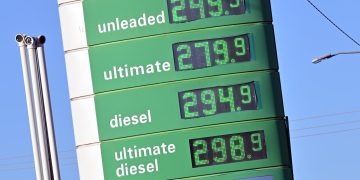
On Thursday, Premier Roger Cook mentioned a 15% increase in bus, train, and ferry boardings for March so far. At the same time, unleaded fuel prices have risen by an impressive 82.3 cents per litre. The following day, Transport Minister Rita Saffioti noted that the increase in public transport usage was more like 10%.
“We looked at one week in March, a couple of weeks back compared to last year, and we’ve already seen about a 10% growth this year,” she said. However, it remains unclear how much of this increase can be attributed to the soaring cost of fuel, which averaged $2.41 per litre for unleaded petrol and $2.86 for diesel in the Perth metro area on Friday.
Factors Contributing to Increased Usage
Mr. Cook suggested that capped fares on public transport could have contributed to the increase in people using public transport, especially from the outer suburbs. “A lot of these people are taking advantage of our Go Anywhere fare, which means you can travel from Yanchep to Mandurah for $2.80,” he explained.
Ms. Saffioti also pointed out that children receiving free travel on buses to school could have further boosted the numbers. “We’re seeing a little bit of under-reporting, and we believe this year’s figures will be even bigger,” she told ABC Radio Perth.
New University Campus and Metronet Project
The opening of the new $853 million Edith Cowan University campus last month has brought thousands of students into the heart of the city. The campus is located next to the Perth train station and built on top of the city’s central bus port. With many of these students relying on public transport, this could be another reason for the spike in usage.
The expansion of the Metronet project, which includes new rail lines, has also complicated the data. More lines and stations mean more patrons, and the comparison of current usage to a year ago is muddled by the re-opening of the almost 40-kilometre Armadale line and its extension to Byford in the past year.
The exact number of people using the newly built Metronet lines and stations is not publicly available. However, it is clear that the number of people using Perth’s train network every year is at its highest level in a decade.
Traffic and Bicycle Data
Data from Main Roads, which tracks traffic volumes on Perth’s major road links as well as people using bicycle paths, seems inconclusive. The agency only publishes public figures every financial year. Data released to the ABC shows very little fluctuation over the past month in the number of cars using the city’s busiest stretch of road—the Narrows Bridge—averaging just over 200,000 cars per weekday.
The same can be said for the number of cyclists counted using one of the city’s main bike routes.
Anecdotal Evidence
For many commuters at the busy Rockingham station, about 50 kilometres south of the Perth CBD, there has been a significant increase in crowd numbers in recent weeks. Several people reported having to park in the station’s overflow section despite arriving at their usual time.
“Trains are fuller… it must be everyone’s like, ‘I’m going to jump on the train because it’s too expensive to drive’,” a female commuter told the ABC on Friday morning.
Another woman who started catching the train this week to her new job in the city said higher fuel prices definitely influenced her decision. “It makes it much more cost-effective than paying for the fuel to get there,” she said.
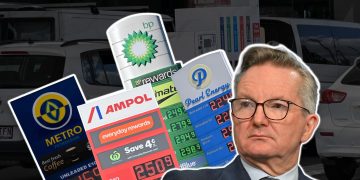
Premier Roger Cook said he expected fuel prices to climb higher and his government would monitor the situation. “Western Australia is not immune to the escalation in crude oil prices,” Mr. Cook said. “We can do what we can within the confines of Western Australia to make sure that people get fuel.”