Coalition Pushes for Spirits Tax Relief Amidst Rising Costs
Aussies who enjoy a spirit at their local pub, bar, or club might soon find some breathing room in their wallets. The Coalition is spearheading a new initiative aimed at providing relief from escalating alcohol prices, particularly for spirit-based beverages. Currently, the Australian Taxation Office (ATO) adjusts alcohol excise duties twice annually, aligning them with inflation. As it stands, spirits face an excise tax of nearly $108 per litre of pure alcohol.
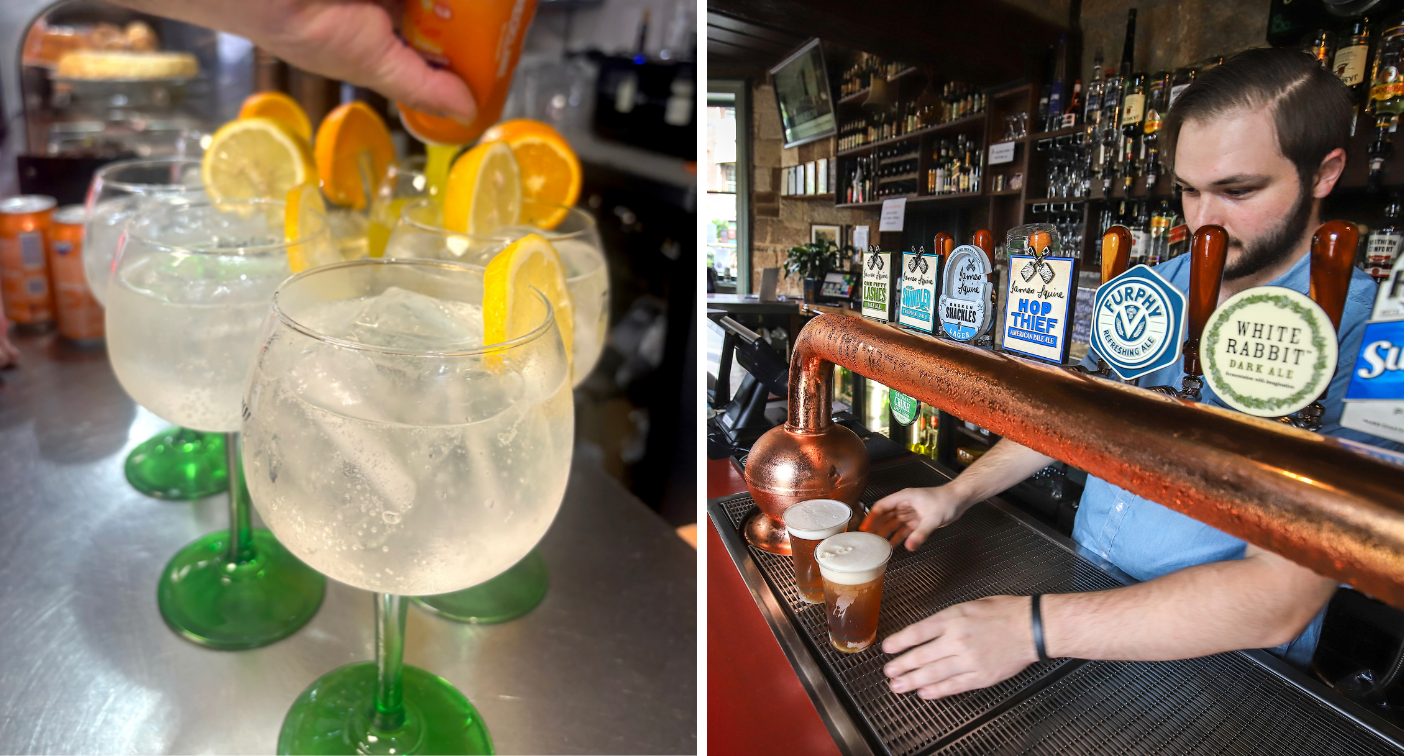
While the Labor government has already announced a two-year freeze on excise duty for draught beer, commencing in August 2025, the Opposition is now advocating for this tax relief to be broadened. Their proposal includes extending the freeze to encompass spirits served on tap, such as popular seltzers, pre-mixed alcoholic drinks, and batch cocktails.
Shadow Treasurer Tim Wilson has indicated that the Liberal Party will join the Nationals in their call for a one-year excise duty break specifically for spirits poured at hospitality venues. This move comes as part of a broader push to address what the Coalition describes as an outdated and inequitable alcohol tax system.
A Call for a Comprehensive Tax Review
Beyond the immediate call for an excise freeze on spirits, the Coalition is also demanding a thorough review of alcohol taxes by Treasury. They argue that such a comprehensive review would be the first of its kind in over a century, highlighting the urgent need to modernise a tax framework that currently imposes different rates on various alcoholic beverages.
Mr. Wilson criticised the existing system, stating that the rules governing alcohol taxation are antiquated and overdue for a significant overhaul. He also expressed disappointment with the current beer excise freeze, pointing out that it translates to a mere one-cent reduction per pint, which he deemed insufficient.
“Our amendment requires the government to conduct a proper, evidence-based review, so we can finally fix up the mess,” Mr. Wilson told The Daily Telegraph.
Parliamentary Push and Opposition
The push to include spirits in the excise freeze gained traction last month when National MP Pat Conaghan moved an amendment to that effect during the debate on the beer excise freeze bill in the House of Representatives. Mr. Conaghan questioned the fairness of singling out spirit drinkers for continued tax increases while beer drinkers receive a reprieve.
“The government has decided one drink deserves a relief from tax hikes and the other doesn’t,” he stated, highlighting the perceived disparity.
Despite receiving support from several Liberal MPs, including Andrew Hastie, Tony Pasin, and Ben Small, the amendment was ultimately defeated in the lower house with a vote of 23 to 81. Discussions are reportedly underway to garner support from the Greens in the Senate, which could potentially see the amendments passed. However, securing bipartisan backing in the lower house remains a significant hurdle for the Coalition, given Labor’s majority.
The Impact of Rising Spirits Tax
The Australian Taxation Office (ATO) typically adjusts alcohol excise duty rates twice a year, in February and August, factoring in the Consumer Price Index (CPI) to account for inflation. In February of this year, the excise tax on spirits with an alcohol by volume (ABV) exceeding 10 per cent saw an increase, rising from $105.98 per litre to $107.99 per litre.
This translates to a tangible cost for consumers. For a standard 425mL schooner of a drink with a 5 per cent ABV, such as a seltzer or alcoholic ginger beer, the tax amounts to approximately $2.29.
Steven Fanner, the executive director of Spirits & Cocktails Australia, highlighted the significant tax burden on popular spirit-based products. He noted that for a standard 700mL bottle of gin or whisky, around $32 of the purchase price is tax that goes directly to the government.
Mr. Fanner has welcomed the proposed review and excise freeze, describing it as a “modest and sensible amendment.” He also pointed out the growing popularity of spirit-based drinks among younger demographics and women, suggesting that extending the tax relief would be a more equitable approach.
Assistant Treasurer Daniel Mulino has defended the government’s decision to freeze the draught beer excise, while also noting that the Coalition did not implement any similar tax adjustments during their nine years in power.