UK’s New Role in the Strait of Hormuz Crisis
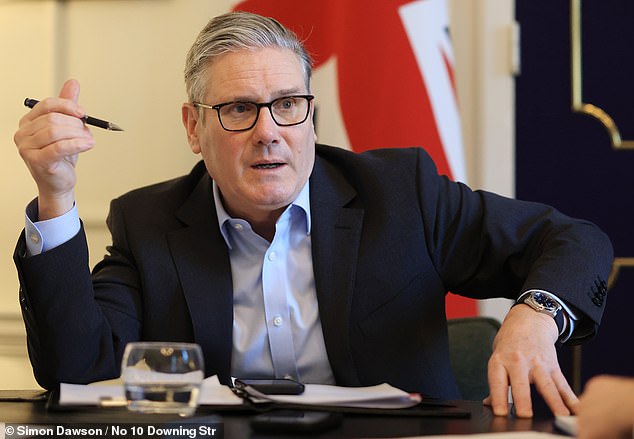
The United Kingdom has taken a significant step into the ongoing conflict in the Strait of Hormuz by allowing the United States to use British military bases for strikes against Iranian targets. This decision, announced by Prime Minister Keir Starmer, has sparked controversy and criticism from within his own party and across the political spectrum.
A Shift in Policy
Previously, the UK had only permitted the use of its bases for defensive operations targeting Iranian missile sites that posed a direct threat to British interests. However, this new agreement allows the US to conduct more aggressive strikes aimed at degrading Iran’s capabilities in the region. The bases involved include RAF Fairford in Gloucestershire and Diego Garcia in the Indian Ocean, both of which are now considered viable assets for offensive operations.
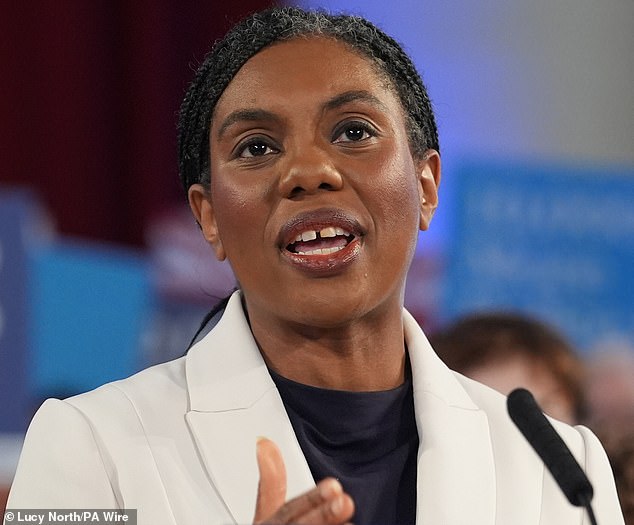
This shift in policy has been described as “the mother of all U-turns” by Kemi Badenoch, a senior Conservative figure. Shadow Defence Secretary James Cartlidge criticized the move, stating that it reflected weeks of indecision and a lack of clear direction from the government.
International Reactions
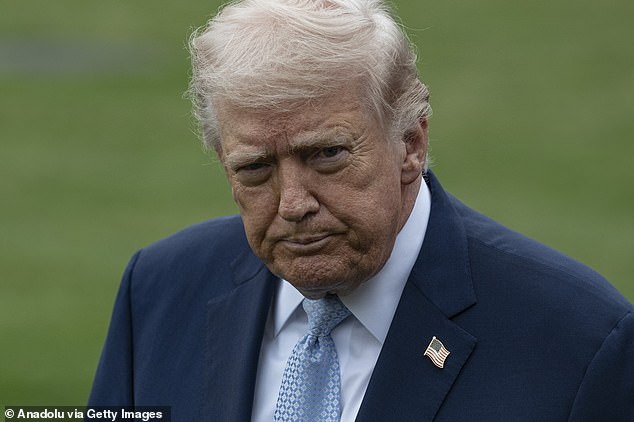
The decision comes amid heightened tensions in the Middle East, with former US President Donald Trump accusing NATO allies of cowardice for not taking action to secure the vital shipping lane. In a post on Truth Social, he referred to NATO as a “paper tiger” without the US and vowed that Western nations would face consequences for their inaction.
Trump also criticized the UK for not acting faster to allow the US to use its bases. He claimed that the UK was the first ally to refuse access to Diego Garcia, a key strategic location.
Strategic Implications
The US is reportedly considering a high-stakes invasion of Kharg Island, a small but strategically important territory that processes 90% of Iran’s crude oil exports. Seizing the island could force Iran to the negotiation table, but it also carries significant risks. It could lead to a full-scale war in the Gulf and cause oil prices to skyrocket. Additionally, it might provoke China, which relies on 13% of its oil from Iran.
Iran has remained defiant, with the Islamic Revolutionary Guard Corps (IRGC) declaring that its forces are prepared to confront any American military presence. Meanwhile, Saudi Arabia has hinted at possible retaliation if Iran continues to attack critical infrastructure in the Gulf.
Domestic Concerns
Within the UK, there are growing concerns about the government’s approach to the crisis. Some MPs have accused Keir Starmer of dragging the country further into the conflict without seeking parliamentary approval. Veteran Labour MP Jon Trickett questioned how the government can claim to want to “de-escalate the war” while allowing US planes to strike Iran from UK soil.
Plaid Cymru’s Liz Saville Roberts called for a vote in Parliament, emphasizing the need for democratic accountability in such a significant decision.
Military Preparedness
Despite the risks, the UK has committed to supporting its allies in the region. The Royal Air Force is conducting defensive air patrols over Jordan, Qatar, the UAE, and Bahrain. UK military planners have also joined the US Central Command to explore options for ensuring the safe passage of tankers through the Strait of Hormuz.
However, sources have indicated that many nations are hesitant to deploy warships in the area due to the high level of danger. The situation remains volatile, with the potential for further escalation.