The Potential Collapse of Airports Amid TSA Funding Crisis
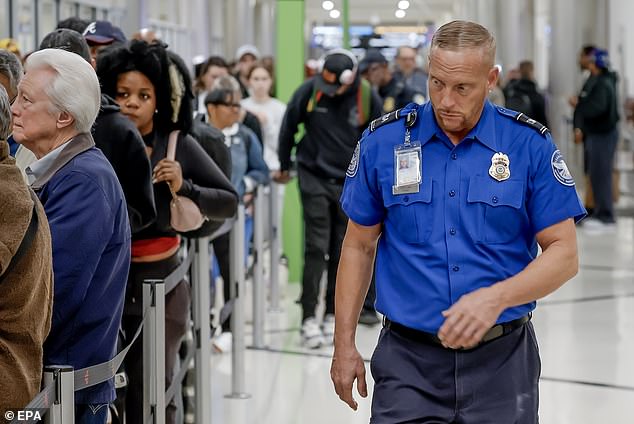
Airports across the United States are facing a dire situation as the Transportation Security Administration (TSA) continues to operate without funding, leading to potential shutdowns. The ongoing government funding lapse has left TSA agents unpaid, resulting in increased call-out rates and long security lines at major airports.
Impact on Airport Operations
The situation has reached a critical point, with acting TSA deputy administrator Adam Stahl warning that smaller airports could be forced to shut down if call-out rates continue to rise. “It’s not hyperbole to suggest that we may have to quite literally shut down airports, particularly smaller ones, if call-out rates go up,” he said.
While the TSA cannot officially close airports, their role in ensuring airport operations is crucial. Without TSA agents, pre-flight checks cannot be completed, making it impossible for planes to take off. As weeks pass without payment, many TSA officers are unable to afford coming to work, leading to resignations and further staffing shortages.
Chaos at Major Airports
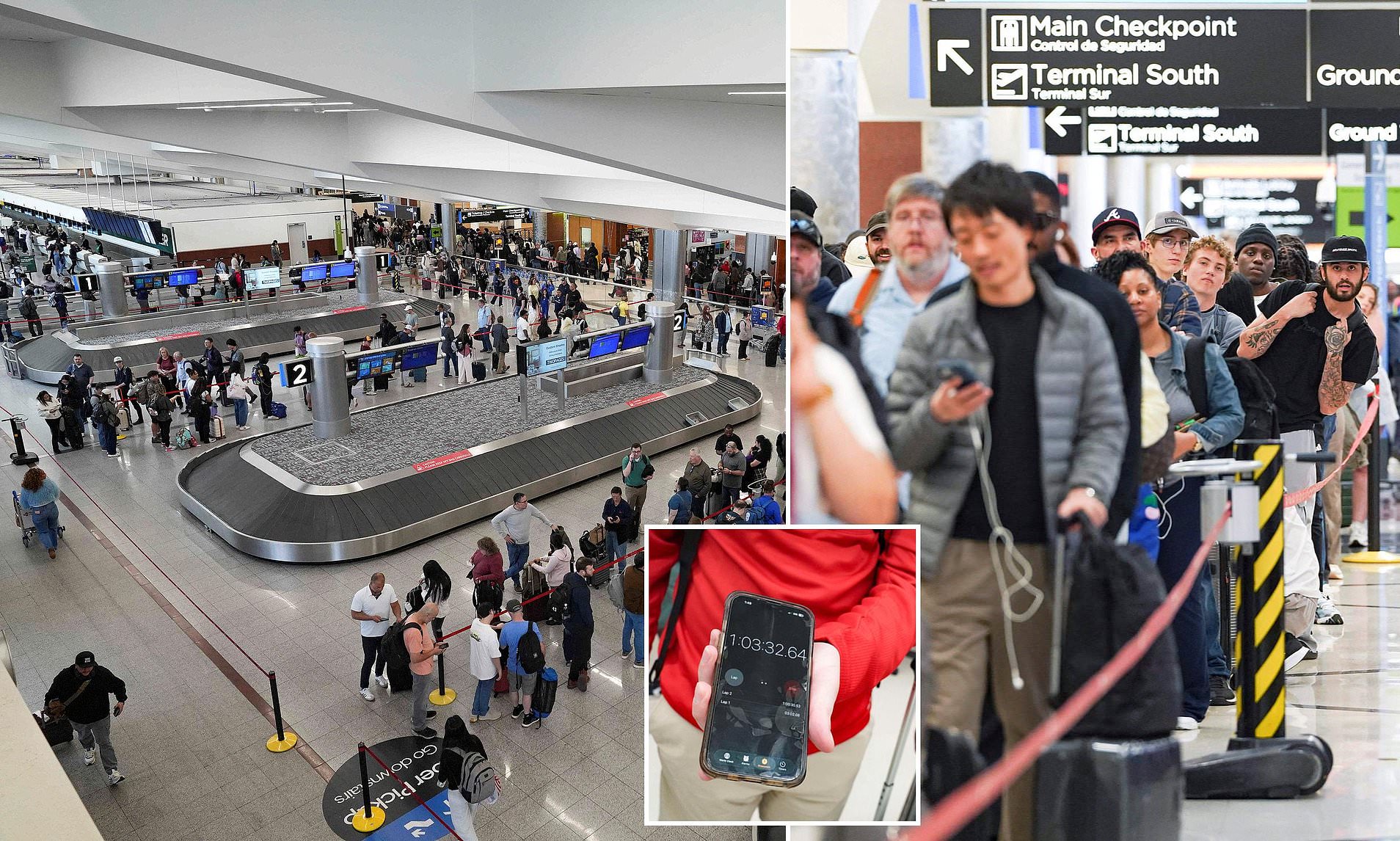
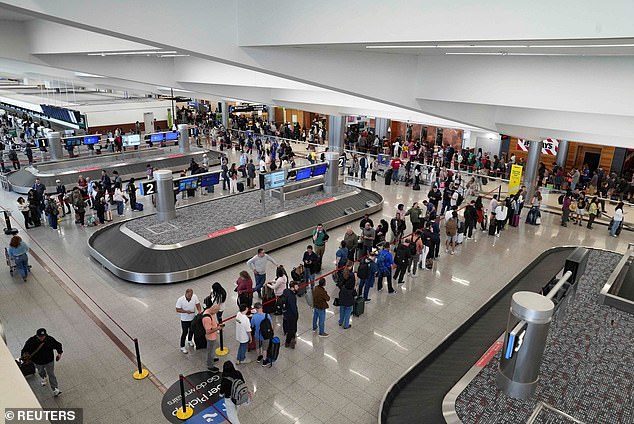
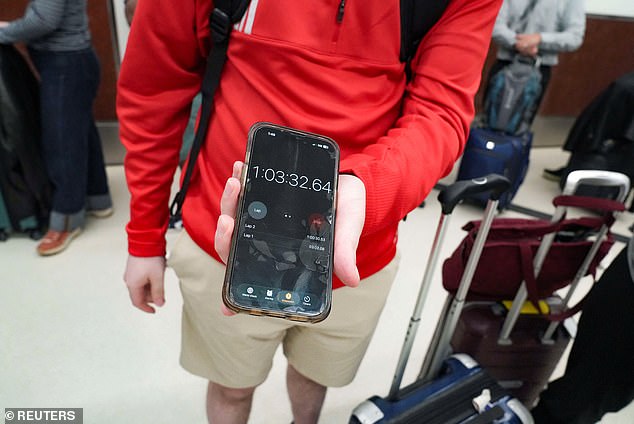
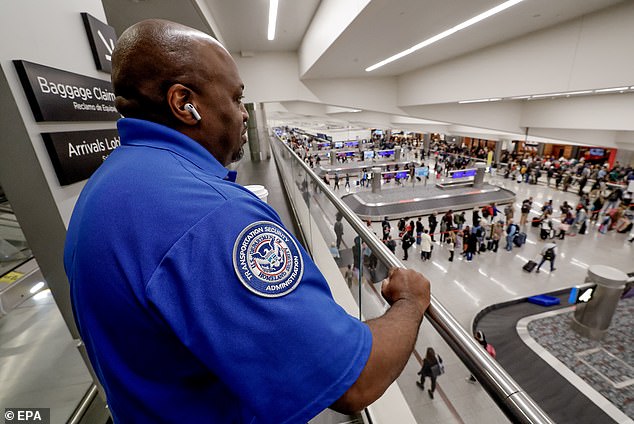
The impact of the funding crisis is already visible at several major airports. At Hartsfield-Jackson Atlanta International Airport, security lines have stretched into the baggage claim area. In Houston’s George Bush Intercontinental Airport, the TSA line has extended down an escalator, with wait times reaching 180 minutes. New York’s LaGuardia Airport has also seen long queues as early as 4:50 am, with travelers spilling into parking lots.
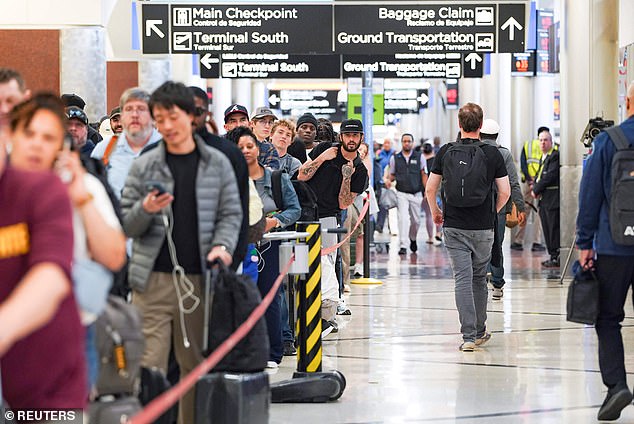
In Houston, the airport has been forced to reduce TSA and pre-check services due to the shortage of agents. Call-outs at the Houston airport reached nearly 41% earlier this week, according to CBS. Similar disruptions have been reported in Charlotte, Chicago, Dallas, Denver, Orlando, Philadelphia, and other airports across the country.
Government Shutdown Consequences
Approximately 50,000 TSA workers have been working without pay since February 14, and at least 366 agents have quit their jobs. The lack of funding has led to significant delays, with 793 cancellations and over 5,000 delays reported nationwide as of this afternoon.
Democrats have declined to support the funding measure needed to move the bill toward final passage. Senate Democratic leader Chuck Schumer proposed an alternative measure to fund just the TSA, but it is likely to fail during the rare weekend session.
Behind the scenes, efforts to resolve the standoff have intensified, with White House border czar Tom Homan meeting with a bipartisan group of senators. However, Democrats are demanding changes to immigration enforcement practices following the shooting deaths of Alex Pretti and Renee Good in Minneapolis.
Political Deadlock
Senate Majority Leader John Thune acknowledged there is “deal space” emerging from discussions with the White House, but he questioned whether Democrats are serious about reaching any agreement that would provide more money for Immigration and Customs Enforcement (ICE). “This is a pox on everybody’s house,” Thune said, emphasizing the need for resolution.
Schumer reiterated his stance that TSA needs to be reopened quickly, but not under the terms Republicans are offering, which includes funding the entire Homeland Security department. Democrats are looking to fund TSA while continuing negotiations on ICE.
Policy Demands and Reforms
Democrats have demanded several policy changes as part of a funding bill, including requiring ICE agents to obtain a warrant from a judge before forcefully entering homes. They also want agents to wear identifying information on their uniforms and ban the use of masks.
Senator Patty Murray, the ranking Democrat on the Senate Appropriations Committee, stated, “The American people have had enough of this rogue agency. We need to rein it in. And we are negotiating right now over how to do that.”
The Trump administration has agreed to several changes, including expanded use of body-worn cameras, with an exception for undercover operations, and limited civil enforcement activities at sensitive locations such as hospitals, schools, and places of worship.
Congressional Break and Future Outlook
Congress is scheduled to go on an extended break near the end of the month for a two-week Easter recess. Thune has threatened to keep senators in Washington if the impasse is not resolved. “I can’t see us taking a break if the government is still shut down,” Thune said.
The Daily Mail has reached out to the US Department of Transportation for comment on the delays and the shutdown.