
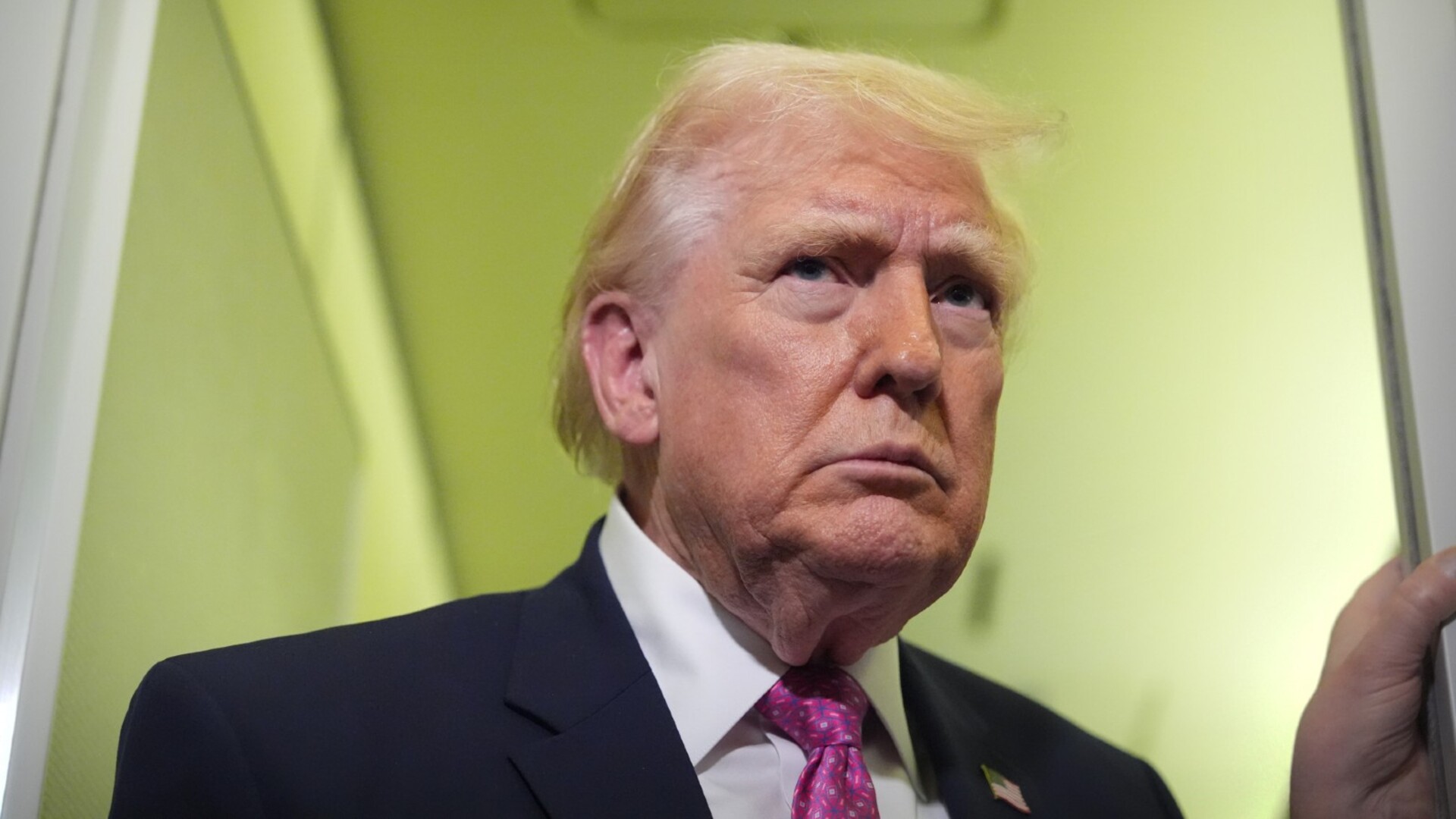
Trump’s Stark Warning to Iran: Military Action and Infrastructure Threats
Former United States President Donald Trump has issued a severe warning regarding potential military action against Iran, specifically targeting its crucial energy infrastructure. The former commander-in-chief articulated these threats via his social media platform, Truth Social, signalling a potentially drastic escalation in geopolitical tensions.
Trump’s statements suggest that the US is engaged in significant discussions with a “new and more reasonable regime” within Iran, with the aim of concluding ongoing military operations. He expressed optimism about the progress of these talks, however, he also laid out a stark ultimatum concerning the vital Hormuz Strait.
According to Trump’s posts, if a deal is not swiftly reached and the Hormuz Strait is not immediately reopened for commercial transit, the US would resort to a devastating retaliatory strike. This would involve the complete destruction of Iran’s electrical generating plants, oil wells, and Kharg Island. He also hinted at the potential obliteration of desalination plants, assets that he claimed the US had deliberately refrained from targeting thus far.
The rationale behind this proposed aggressive stance, as outlined by Trump, is to serve as retribution for the lives lost and suffering inflicted upon American soldiers and other individuals during Iran’s previous regime’s 47-year tenure, which he characterised as a “Reign of Terror.”
Unpacking the “New Regime” and Diplomatic Maneuvers
Adding a layer of intrigue to the situation, United States Secretary of State Marco Rubio has remained tight-lipped about the identity of the “new regime” with whom these discussions are allegedly taking place. This refusal to disclose details has fuelled speculation and raised questions about the nature and legitimacy of these purported negotiations.
However, in a separate development, President Trump reportedly informed the New York Post that he was in communication with Iran’s Parliament Speaker, Mohammad-Bagher Ghalibaf. This assertion, if accurate, would indicate a direct line of engagement with a prominent figure within the current Iranian political establishment, even as Trump simultaneously threatens a new leadership.
The implications of such a threat are far-reaching. Iran’s energy sector is a cornerstone of its economy, and the destruction of its oil infrastructure would have catastrophic consequences not only for the nation but also for global energy markets. The Hormuz Strait, a critical chokepoint for oil transportation, plays a pivotal role in international trade, and any disruption there would undoubtedly lead to significant price volatility and supply chain issues worldwide.
The Broader Context: Geopolitical Tensions and Diplomatic Avenues
This aggressive rhetoric from a former US President underscores the complex and often volatile geopolitical landscape surrounding Iran. Throughout recent history, the relationship between the United States and Iran has been marked by periods of intense animosity, sanctions, and proxy conflicts.
The mention of a “new and more reasonable regime” suggests a potential shift in US foreign policy aspirations, possibly signalling a desire to bypass existing governmental structures in favour of alternative interlocutors. However, the effectiveness and feasibility of such a strategy remain highly questionable.
The strategic importance of the Hormuz Strait cannot be overstated. Control over this waterway is a constant point of contention, and the threat of its closure or disruption has historically been a significant factor in regional security calculations. Any action that jeopardises the free flow of shipping through the strait carries the potential for widespread economic repercussions and could easily draw in other regional and global powers.
The international community will undoubtedly be closely monitoring these developments. The potential for military escalation, coupled with the uncertainty surrounding diplomatic engagements, paints a picture of a deeply precarious situation. The effectiveness of Trump’s threats, and the willingness of any Iranian faction to engage under such duress, will be critical factors in determining the future trajectory of US-Iran relations and regional stability. The economic and human costs of such a conflict would be immense, making diplomatic solutions, however challenging, the only responsible path forward.


