Fuel Shockwaves: Petrol Prices Poised to Hit $3 a Litre Amidst Global Turmoil
Australians are being urged to fill up their tanks as soon as possible, with stark warnings that petrol prices could soon breach the $3 a litre mark. This alarming prospect stems from escalating geopolitical tensions in the Middle East and a subsequent surge in global oil prices, which have now surpassed $160 AUD per barrel.
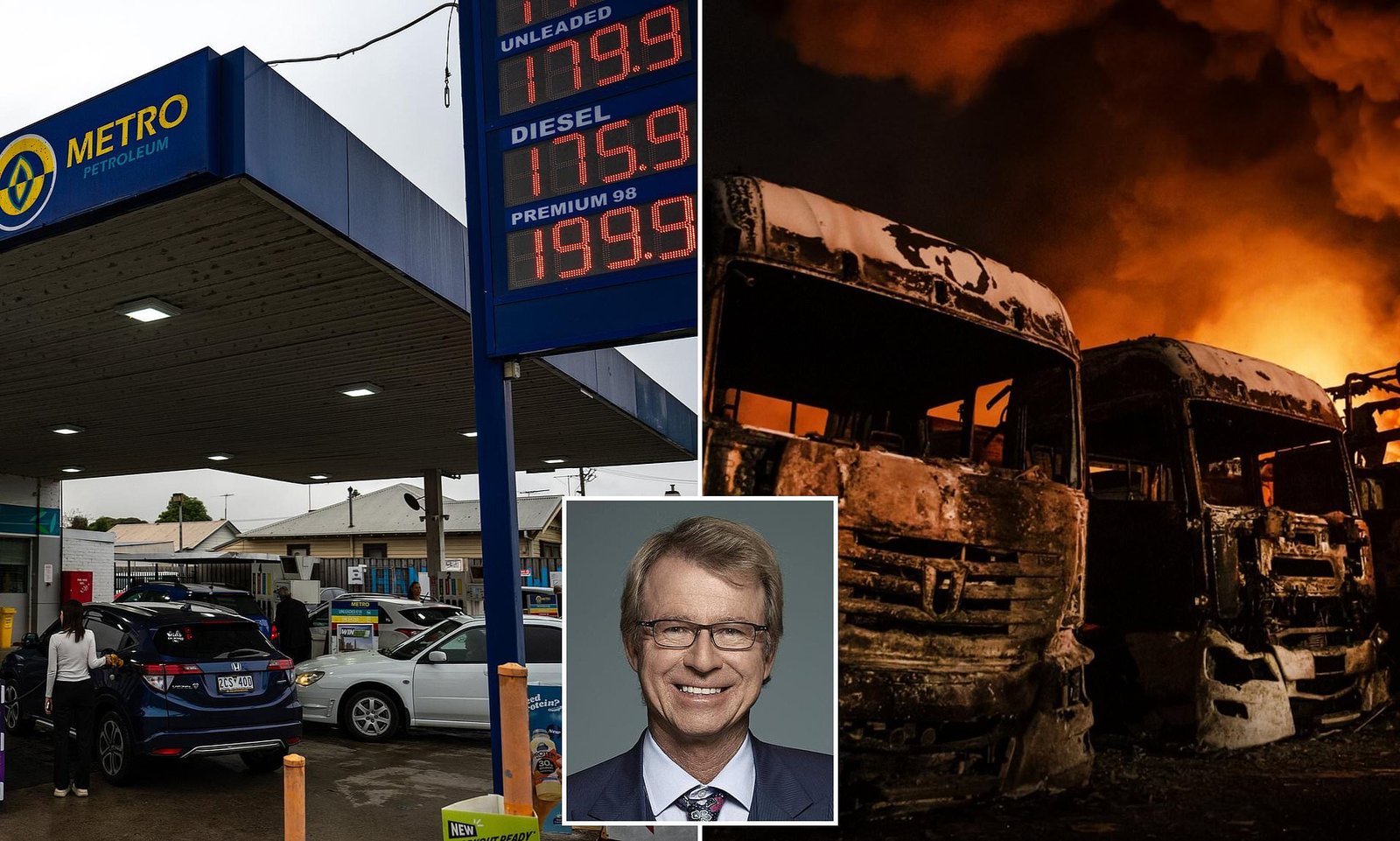
Already, drivers across the nation are witnessing the impact at the bowser, with reports of prices exceeding $2.30 a litre emerging from regional Queensland and western Sydney. The situation has prompted serious concern from economic experts, who are advising the public to prepare for significant price hikes.
Shane Oliver, Head of Investment Strategy and Chief Economist at AMP, has voiced his concerns, suggesting that paying over $3 a litre at the pump is a distinct possibility as the conflict continues to unfold. “Petrol prices have already surged to above $2 a litre,” Mr Oliver noted. “The latest surge in oil prices could at least take them to $2.20.” He further elaborated on the potential for extreme price volatility, drawing parallels to the 1970s oil shocks. “Oil supply shocks in the 1970s saw a three-or-four fold rise in world oil prices, which if it occurred this time would take the world oil prices to above $200 a barrel and add at least $1.30 a litre to petrol prices to where they were a week ago.”
Australia’s Fuel Security: A Growing Concern
Beyond the immediate price shock, the current crisis has shone a spotlight on Australia’s vulnerabilities regarding fuel security. Mr Oliver highlighted that the nation currently holds approximately 30 to 35 days of fuel reserves. While this is an improvement from a decade ago, he stressed that this figure should ideally be closer to 90 days.
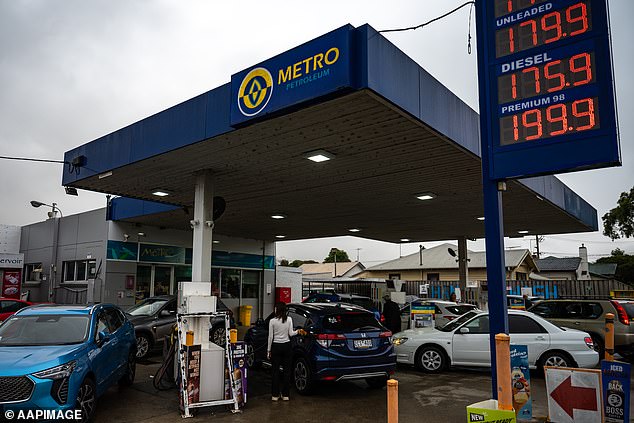
“We have 30-35 days of fuel in Australia – which is well up from a decade ago – but it should be at least 90 days,” he stated. “The surge in price would still impact us as oil and gas prices are now set globally.”
The implications of a smaller stockpile become acutely apparent when considering the reliance on imported refined fuel. Australia sources around 90 per cent of its refined fuel from Asia. With countries like China already signalling potential restrictions on refined fuel exports, a larger domestic stockpile would significantly mitigate the risk of supply shortages.

“Having a bigger stockpile would mean less risk of running low in supplies if Asian countries decide to restrict exports of refined fuel as we get 90 per cent of our refined fuel from Asia. China has already indicated restrictions on refined fuel exports.”
Mr Oliver indicated that a potential easing of petrol prices could be anticipated once there are clear signs of de-escalation, such as the Iranian government entering into negotiations or former President Donald Trump seeking a resolution to the conflict.
Market Volatility and Regulatory Scrutiny
The ramifications of the escalating oil prices are not confined to the fuel pump. Major petrol wholesalers, including BP, Ampol, Mobil, and Viva, have reportedly begun restricting sales to contracted buyers as oil prices continue their upward trajectory. This mirrors the market conditions observed in 2022 following Russia’s invasion of Ukraine, a period that saw significant price spikes.
The current crisis has been exacerbated by production cuts from major oil producers in Iraq, Kuwait, and the United Arab Emirates. These nations have reduced their oil production and refinery output due to a lack of available storage capacity for crude oil. Furthermore, OPEC producers are reportedly facing challenges in exporting through the Strait of Hormuz, a critical maritime chokepoint that usually handles about 20 per cent of global oil traffic daily, due to threats from Iran. Reuters has reported a substantial drop in Iraqi oil production from its primary fields, falling by 70 per cent to just 1.3 million barrels per day.
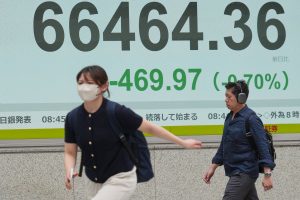
The Australian sharemarket has already felt the sting, with the ASX 200 experiencing a significant sell-off. On Monday morning, the market erased nearly $130 billion, with all sectors, except energy, suffering substantial losses. The ASX 200 plummeted by four per cent by midday AEDT, marking its most significant single-day decline since April last year.
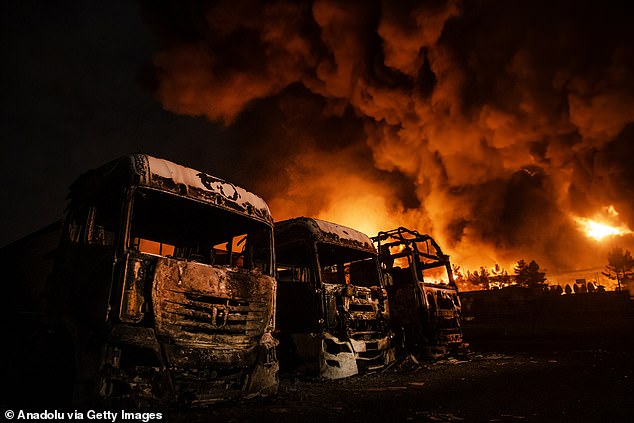
Mr Oliver attributed these market falls to growing fears of a negative impact on both global and Australian economic growth. “This is to be expected given that share valuations were stretched after a period of strong gains. Further falls are likely, particularly the longer the war and oil supply disruption continues,” he explained. “Our view has been for a 15 per cent or so correction in shares at some point and so far we remain on track for that. They should rebound once the war and supply disruption ends.”
In response to public concerns and reports of potential price gouging, the Australian Competition and Consumer Commission (ACCC) is actively monitoring retailers. Consumer advocacy groups like the NRMA and RACQ have raised alarms about alleged “unconscionable” behaviour by companies seeking to exploit public anxiety.
Treasurer Jim Chalmers has called for enhanced regulatory oversight, formally requesting the ACCC to investigate and crack down on any instances of price gouging. “Service stations should not be doing the wrong thing by their customers, using the conflict in Iran and the Middle East more broadly as an excuse to gouge customers,” Mr Chalmers stated.
Energy Minister Chris Bowen echoed these sentiments, warning companies against using the international crisis as a commercial opportunity. “Australia’s fuel pricing follows global markets, but the government has been clear – this is an international crisis, not a commercial opportunity,” he affirmed. The Albanese government has maintained that Australia’s fuel security remains robust.