Middle East Crisis Fuels Australian Financial Headaches: Rising Rates and Skyrocketing Costs Bite Households
The escalating conflict in the Middle East is casting a long shadow over Australian households, adding significant pressure to already strained family budgets. With the Reserve Bank of Australia (RBA) widely expected to continue its trajectory of interest rate hikes and energy costs soaring, the economic outlook for many Australians has become increasingly grim.
The RBA is anticipated to implement further increases to the official cash rate in the coming months, with predictions pointing to a rise on Tuesday and another in May. This would mark three consecutive rate hikes this year, a move designed to combat persistent inflation. Treasurer Jim Chalmers is reportedly bracing for inflation figures to remain in the high 4 per cent range, a direct consequence of the ongoing instability in the Middle East.
Adding to these concerns, the Albanese government has issued a call for Australians to avoid panic buying fuel. This advisory comes amidst rising prices and genuine fears of potential shortages, with the government acknowledging “real risks in the supply chain” for essential goods across the nation.
The Specter of Stagflation: Echoes of the 1970s?
The recent surge in global oil prices, driven by the conflict between the US and Iran, has ignited fears of a return to the economic conditions of the 1970s – a period marked by stagflation. Stagflation is a particularly challenging economic scenario where an economy experiences both slowing growth and rapidly rising costs, leading to a significant decline in household living standards.
The Strait of Hormuz, a crucial global oil supply route through which approximately 19 per cent of the world’s oil passes, has become a focal point of this tension. Reports indicate that the Iranian government views the closure of the strait as a strategic tool, while the US has pledged naval escorts to ensure passage. This standoff has directly contributed to the dramatic increase in oil prices over the past week.
Expert Views on Stagflation Risk
The possibility of stagflation is a growing concern among economists. David Bassanese, Chief Economist at Betashares, suggests that the likelihood of stagflation in the US is increasing. He points to a confluence of factors, including higher US tariffs and stricter immigration policies, which have impacted labour demand and supply. However, the current conflict in the Middle East represents a significant “negative supply shock” that has already driven up global oil prices by an estimated 30 per cent. Bassanese warns that regardless of the war’s justification, the impact on US energy costs will inevitably dampen economic activity while simultaneously fuelling inflation.
However, not all experts share this level of alarm for Australia. Luci Ellis, Chief Economist at Westpac and a former RBA official with over three decades of experience, believes Australia is a considerable distance from experiencing a 1970s-style stagflation event. She highlights that modern economies, particularly advanced ones, are significantly less reliant on oil than they were in the past.
Ellis acknowledges that a prolonged closure of the Strait of Hormuz would have severe repercussions for emerging and low-income countries, primarily due to the impact on fertiliser and food prices. She notes that escalating food prices can often lead to social unrest, and consequently, she anticipates that international pressure will mount to ensure the strait’s reopening if the situation persists for more than a few months. Domestically, Ellis suggests that Australia would require an extended period of sustained high petrol prices before a stagflationary environment becomes a tangible reality.
Interest Rate Outlook: A Predictable Path of Hikes
Despite the nuanced views on stagflation, the consensus among economists and financial institutions is clear: further interest rate hikes are on the horizon for Australia. Ms. Ellis, drawing on her extensive experience with the RBA, predicts that the central bank will raise interest rates in both March and May, even if the current surge in oil prices proves to be temporary. She describes the RBA’s stance as a “once bitten, twice shy” approach, indicating a strong commitment to curbing inflation. The upcoming first-quarter inflation data is expected to reinforce this resolve.
Currently, all four major banks forecast interest rate increases in March and May, which would push the official cash rate to at least 4.30 per cent. If these predictions hold true, they would effectively reverse all three rate cuts implemented in 2025, bringing the cash rate back to levels not seen since the RBA began its tightening cycle in February.
The bond market, however, is signalling even greater potential pain for borrowers. It is currently pricing in an additional 68 basis points of rate hikes in 2026, which would lift the cash rate to just under 4.60 per cent. This follows the RBA’s initial 25 basis point increase in February and would represent a cumulative rise of nearly 100 basis points over the year.
Tony Sycamore, a market analyst at IG, aligns with expectations of three 25 basis point hikes, projecting the cash rate to reach 4.60 per cent by the end of the year – its highest point since October 2011. He attributes the increased rate hike expectations in money markets to a combination of the US-Iran conflict and hawkish commentary from the RBA, which have unsettled the bond market. Sycamore concludes that the escalating Middle East turmoil and surging energy prices are poised to tighten their grip on Australian households, exacerbating cost-of-living pressures at a time when inflation remains stubbornly high.
Cost of Living Pressures Set to Intensify
For households already struggling with the burden of higher mortgage repayments, the outlook for the cost of living is equally bleak. Preliminary analysis from the Treasury, as indicated by Mr. Chalmers, suggests that the war’s impact will push headline inflation into the “high 4s.” This updated inflation forecast is expected to be a key component of the upcoming federal budget. For context, headline inflation stood at 3.8 per cent in January.
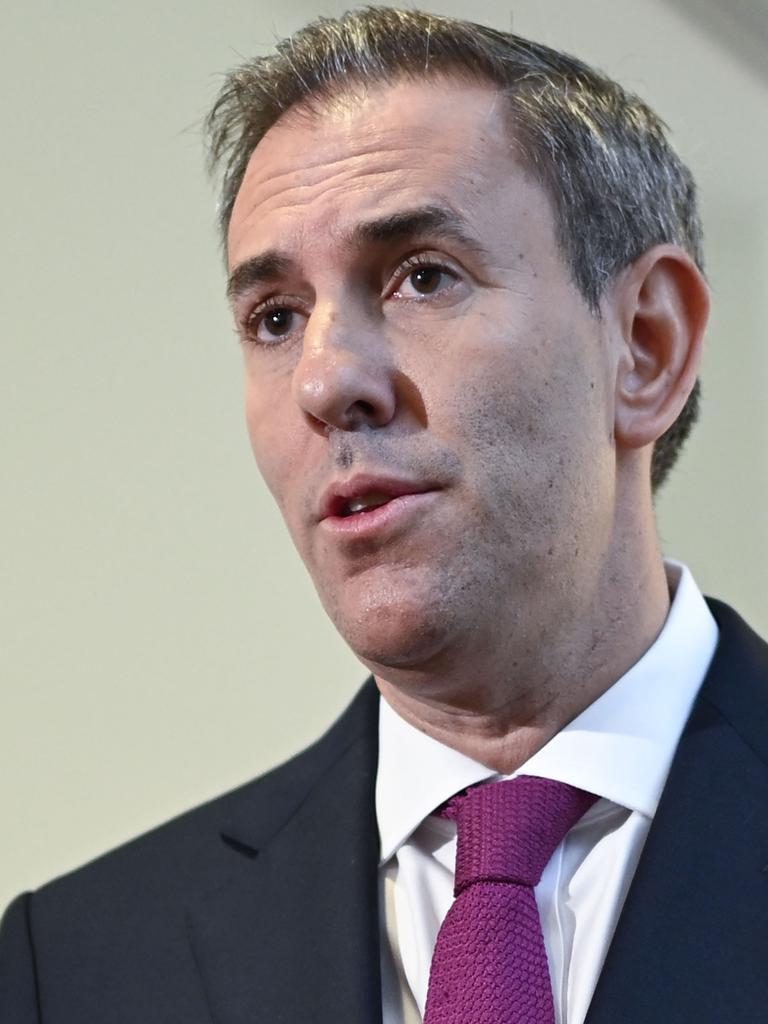
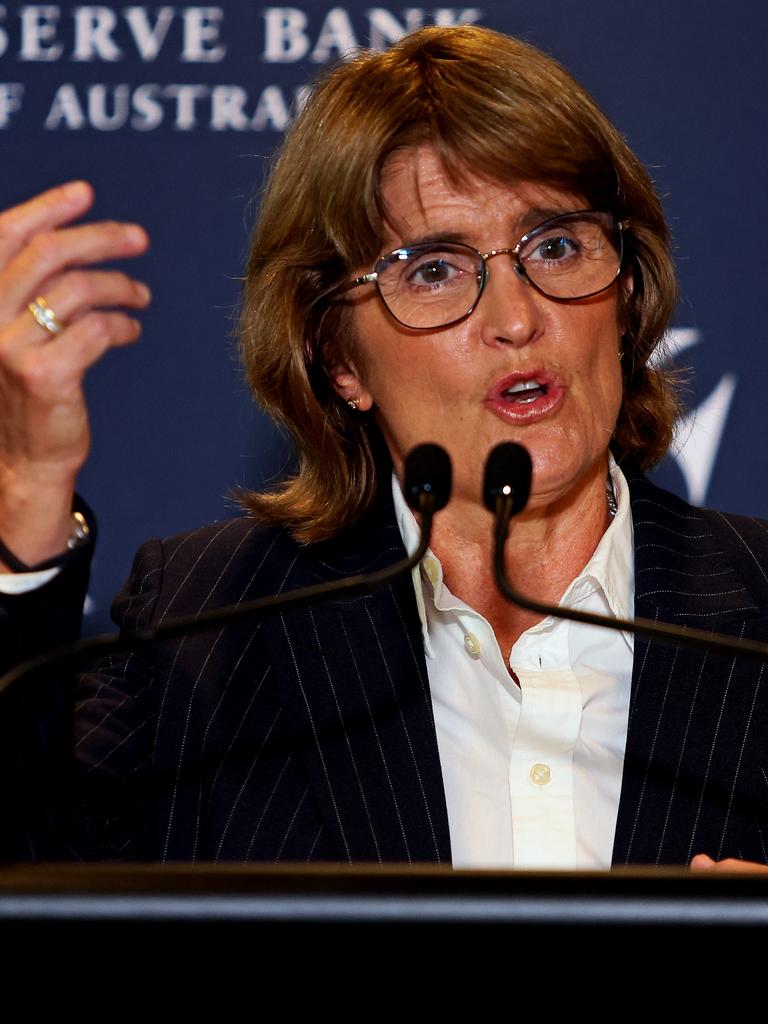
Shane Oliver, Chief Economist at AMP, warns that consumers may face a “double whammy” of rising interest rates and increasing fuel costs. He anticipates that consumers will likely adopt a more cautious spending approach, leading to weaker economic activity in the near future.
Mr. Oliver also points out the difficult position the RBA faces as it prepares for its next monetary policy meeting. He identifies several risks: on one hand, failing to raise rates while petrol prices continue to climb could allow inflation and inflation expectations to become further entrenched, making it harder to bring prices under control. On the other hand, a further rate hike would reduce household spending power, potentially dampening economic activity in other sectors. This creates a complex scenario where underlying inflation might actually be suppressed despite the rise in oil and fertiliser prices.