
The looming spectre of a government shutdown, once a guaranteed political poisoned chalice for the party responsible, is now a far murkier proposition, leaving Republicans increasingly anxious as a potential shutdown of the Department of Homeland Security (DHS) approaches. The traditional wisdom that such fiscal standoffs inevitably damage the instigator appears to be fading, prompting concerns within the GOP about their electoral prospects.
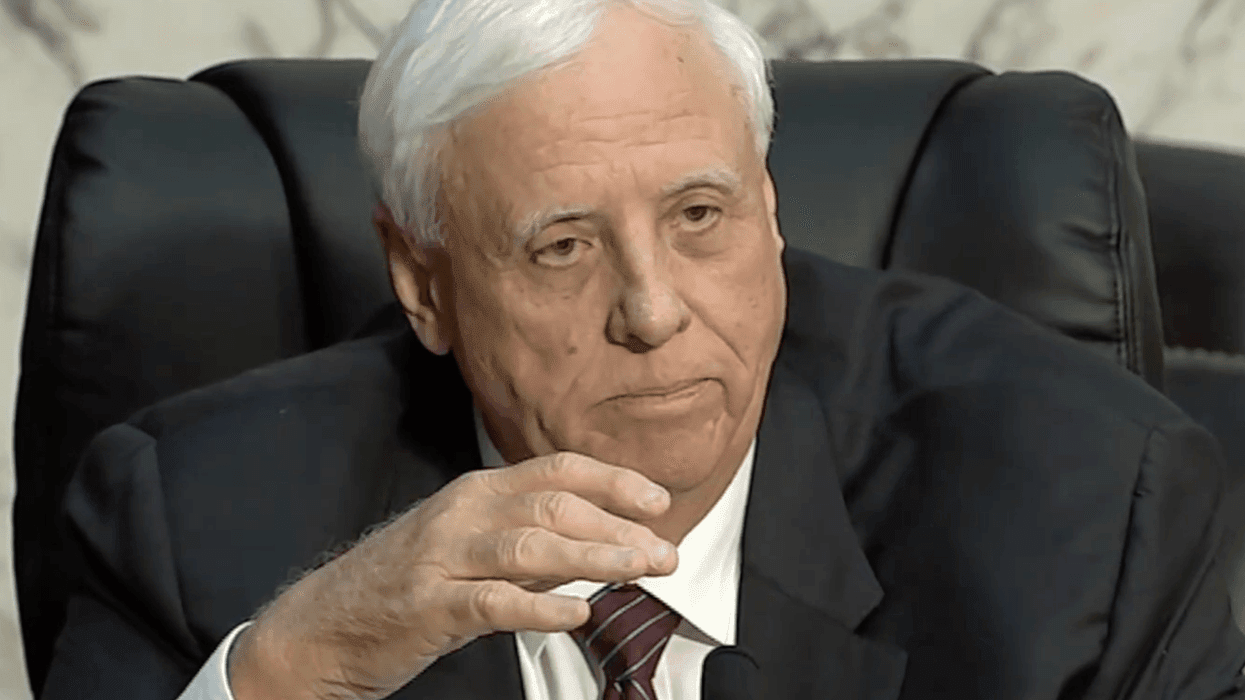
Senator Jim Justice of West Virginia articulated this sentiment, suggesting that the current political climate is heavily influenced by the upcoming midterm elections. “This is all about the midterms. That’s all it is,” he told Semafor. “The messaging of this, Democrats are really good at that. They really are. And they are really good at using stuff like this to be able to manoeuvre things to their political advantage. That’s what all this is about.”
Adding to the Republicans’ unease is the DHS’s own public relations challenges. Damaging videos, including those depicting Immigration and Customs Enforcement (ICE) agents allegedly shooting Minneapolis mothers in the face and medical workers in the back, have surfaced. These incidents, coupled with public polls indicating widespread concern about ICE and Customs and Border Protection (CBP) overstepping their authority and abusing their power, have fuelled fears among some Republicans of being “politically outflanked by Democrats.”
Despite the controversies surrounding law enforcement actions in Minneapolis, Senator Justice believes that improved public relations could be the key for Republicans. He argued that the GOP possesses a strong record to champion, but acknowledged a deficiency in their communication strategy. “We message bad,” he stated.
President Donald Trump, it is reported, is keen to avoid a shutdown. In an effort to appease Democrats who are resistant to funding the DHS, White House border czar Tom Homan moved swiftly to curtail the administration’s immigration enforcement surge in Minnesota. Nevertheless, the vast majority of Senate Democrats, with only one exception, voted against funding the DHS beyond the upcoming Friday deadline. Furthermore, no Democrats are willing to agree to even a short-term spending bill that would provide negotiators with the necessary breathing room to finalise a deal.
Senator Katie Britt of Alabama put forward a proposal for a two-week extension of DHS funding on Thursday afternoon. However, this measure was met with an objection from Senator Chris Murphy of Connecticut.
While Republicans contend that Democrats are making a strategic misstep with voters by orchestrating a shutdown, the ultimate political fallout remains uncertain. This uncertainty is amplified by the fact that Republicans bore the brunt of the negative consequences in the previous government shutdown.
The Shifting Political Landscape of Shutdowns
Historically, government shutdowns have served as potent political weapons, often backfiring on the party initiating the shutdown. The reasoning was straightforward: voters tend to punish the party perceived as being obstructionist and unwilling to compromise, especially when essential government services are disrupted. However, the current political environment appears to be more complex.
The Democratic Messaging Advantage
Democrats have demonstrated a notable proficiency in political messaging, a skill that Senator Justice highlighted. They are adept at framing issues in a way that resonates with their base and appeals to a broader electorate. In the context of a DHS shutdown, they can potentially cast themselves as defenders of civil liberties and protectors against perceived governmental overreach, while painting Republicans as either complicit in or indifferent to these concerns.
DHS Controversies and Public Perception
The controversies surrounding ICE and CBP have undeniably damaged the public image of the Department of Homeland Security. Reports and visual evidence of alleged misconduct have fuelled public apprehension. This perception of overreach and abuse of power can be effectively leveraged by political opponents. For Republicans, who often champion law and order, these incidents present a difficult challenge, as they must balance support for law enforcement with addressing legitimate public concerns.
Republican Internal Divisions and Messaging Woes
Beyond the external challenges, the Republican Party itself may be grappling with internal divisions and a persistent struggle with effective messaging. As Senator Justice pointed out, “We message bad.” This self-criticism suggests a deeper issue within the party’s communication strategy, making it harder to counter Democratic narratives and rally public support.
The Trump Factor and Strategic Maneuvering
President Trump’s reported desire to avoid a shutdown indicates a strategic calculation. His administration may recognise the potential for negative repercussions and is seeking to de-escalate the situation. The decision to curb the immigration enforcement surge in Minnesota is a clear example of such tactical maneuvering, aimed at removing a point of contention for Democrats.
The Senate Stalemate
The current impasse in the Senate underscores the deep partisan divide. The refusal of most Democrats to support even a short-term funding bill suggests a hardening of positions and a willingness to risk a shutdown to achieve their objectives. Senator Britt’s attempt to offer a compromise was rebuffed, highlighting the difficulty in finding common ground.
Who Pays the Political Price?
The central question remains: who will ultimately bear the political cost of a DHS shutdown? While Republicans may have suffered in the past, the current dynamics are less predictable. The effectiveness of Democratic messaging, combined with the ongoing controversies surrounding DHS, could shift the balance of blame. However, the public’s frustration with government dysfunction is a bipartisan concern, and any party seen as solely responsible could face voter backlash. The upcoming midterm elections will serve as a crucial barometer of how this complex political chess match plays out.


