Young Girl Critically Injured in Horrific Dog Attack in Perth Suburb
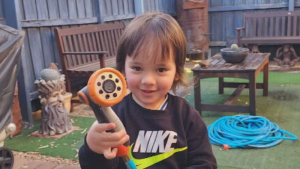
A distressing incident has occurred in Perth’s northern suburbs, where a young girl, believed to be under the age of 10, sustained severe facial injuries following a brutal dog attack. The harrowing event took place on Wednesday afternoon, prompting an urgent response from emergency services and initiating a thorough investigation by local authorities.
The attack unfolded outside a residential property in Hillary, a picturesque coastal suburb within Perth’s metropolitan area. Paramedics from St John WA were dispatched to the scene shortly after 3:40pm on March 4th. Upon arrival, they provided immediate medical attention to the injured child before she was transported by ambulance to Perth Children’s Hospital.
Hospital officials have since confirmed that the young patient is currently in a stable condition. While the immediate medical concerns are being managed, the extent of her injuries highlights the severity of the animal encounter.
The City of Joondalup, the local government authority responsible for the Hillary area, has acknowledged the gravity of the situation. A spokesperson for the council stated that all reports of dog attacks are treated with the utmost seriousness and that this particular incident is being investigated as a matter of high priority.
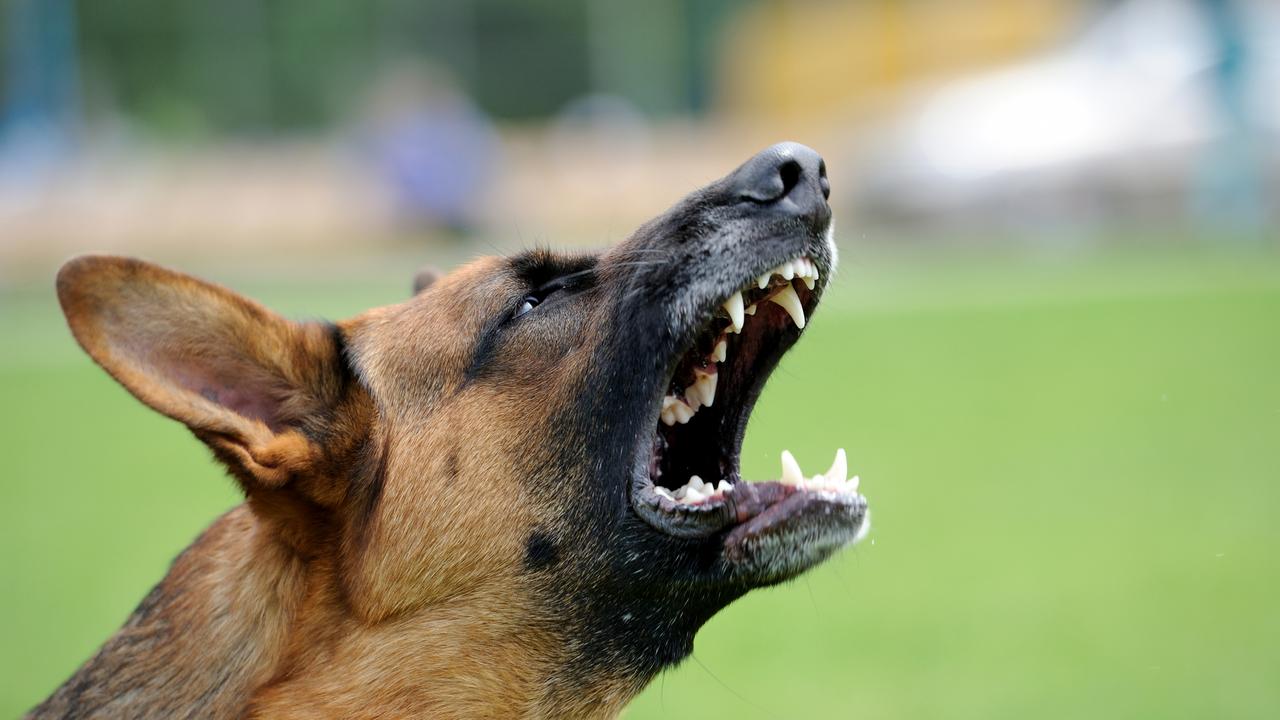
“The City has impounded the dog to remove the risk to local residents and the wider community,” the council spokesperson confirmed in a public statement. This swift action demonstrates the council’s commitment to ensuring the safety of its residents and preventing any further harm.
Understanding Dog Attack Prevention and Response
Dog attacks, while fortunately not an everyday occurrence, can have devastating consequences, particularly for young children who are more vulnerable. Experts in animal behaviour and community safety offer several key recommendations for preventing such incidents:
- Supervision of Children: It is paramount that children are always supervised when interacting with dogs, regardless of whether it is a family pet or an unfamiliar animal. Children may not recognise warning signs of distress or aggression in a dog.
- Education on Dog Body Language: Teaching children (and adults) to recognise a dog’s body language is crucial. Signs of stress, fear, or aggression can include lip licking, yawning when not tired, a stiff body, whale eye (showing the whites of the eyes), growling, and baring teeth.
- Respecting Animal Space: Dogs, like people, need their personal space. Children should be taught not to approach a dog that is eating, sleeping, or caring for puppies. Similarly, they should not tease or provoke an animal.
- Introducing Dogs and Children Gradually: When introducing a new dog to a household with children, or vice-versa, it should be done slowly and under controlled conditions. Positive reinforcement and calm environments are key.
- Responsible Dog Ownership: Owners have a significant responsibility to ensure their dogs are well-socialised, trained, and do not pose a risk to the public. This includes appropriate containment and leashing in public areas.
- Reporting Concerns: If a dog is observed to be exhibiting aggressive behaviour or if there are concerns about an animal’s temperament, it is vital to report these to the relevant local council or animal control authorities. Early intervention can prevent serious incidents.
The Investigation Process
The City of Joondalup’s investigation will likely involve several steps to understand the circumstances surrounding the attack. This typically includes:
- Interviewing Witnesses: Speaking with the victim’s family, any individuals present at the time of the attack, and neighbours who may have witnessed the event or have knowledge of the dog.
- Assessing the Dog: The impounded dog will likely undergo an assessment by an animal behaviourist to determine its temperament and the circumstances that led to the attack.
- Reviewing Local Bylaws: The council will examine whether any local animal control bylaws were breached.
- Determining the Dog’s Fate: Depending on the severity of the attack, the dog’s history, and the outcome of the assessment, decisions will be made regarding the animal’s future. This can range from mandatory training and confinement to euthanasia in extreme cases.
The community of Hillary and the wider Perth metropolitan area will be awaiting the findings of this investigation, hoping for a resolution that prioritises public safety and provides answers to this distressing incident. The focus remains on the recovery of the young girl and ensuring that measures are in place to prevent similar tragedies from occurring in the future.