
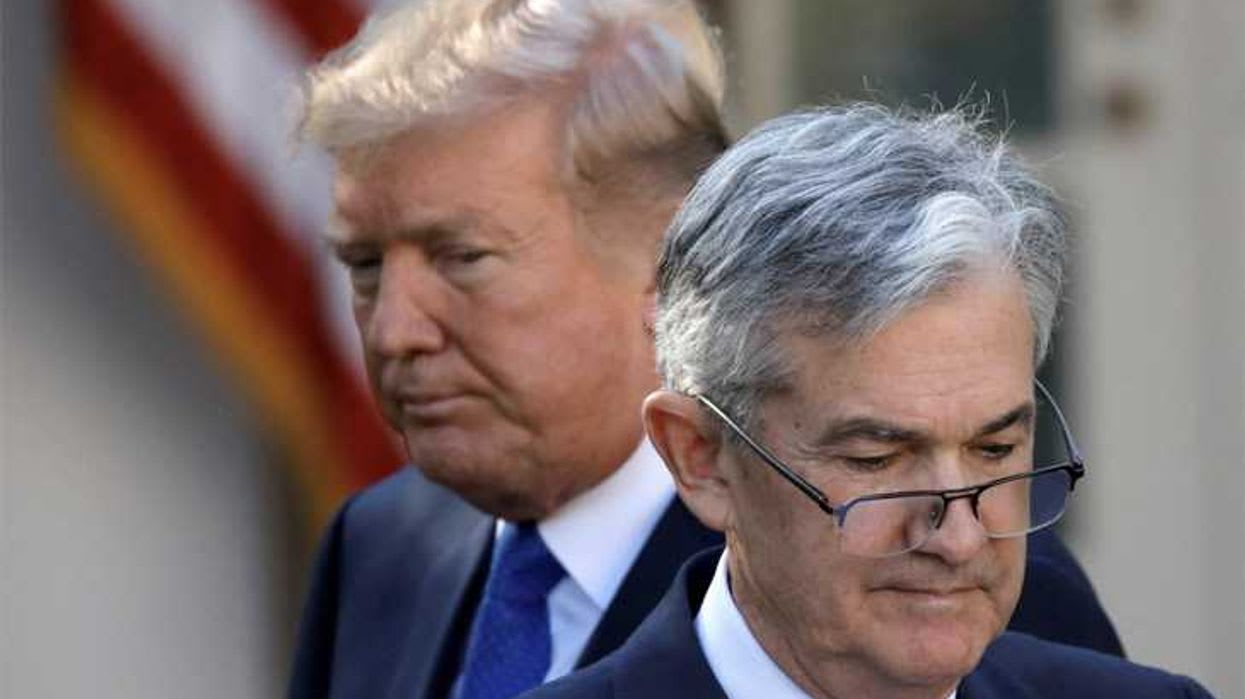
The Contradiction in Trump’s Pressure on the Federal Reserve
Donald Trump has been aggressively pushing Federal Reserve Chair Jerome Powell to cut interest rates, but this effort faces a significant contradiction. According to the Wall Street Journal’s Greg Ip, the president’s own economic policies and actions may actually lead to a situation where the Fed is forced to raise rates instead.
Ip notes that “the vibe has changed.” This shift in sentiment highlights the growing tension between Trump’s public demands and the underlying economic realities that could challenge his expectations.
A Strained Relationship with the Fed
Trump has launched a personal attack on Powell, questioning his intelligence and even having the Department of Justice pursue criminal charges against him. However, this move was recently rejected by U.S. District Judge James Boasberg, marking a setback for the administration’s efforts to undermine the Fed chair.
Despite these challenges, the Federal Reserve has maintained its focus on when and how much to cut interest rates. However, the economic landscape has evolved significantly, and there are signs that the Fed might consider raising rates rather than cutting them.
Key Factors Influencing the Fed’s Decision
Three main factors are contributing to this potential shift:
Persistent Inflation: Inflation remains well above the Fed’s 2% target, indicating that price pressures are not easing as quickly as expected.
Rising Oil Prices: Surging oil prices could further push inflation away from the target without effectively curbing demand. This scenario presents a complex challenge for the Fed.
Lower Interest Rates: Since the Fed began easing in 2024, interest rates have dropped significantly. Some measures suggest they continue to decline, which could impact future monetary policy decisions.
At its most recent meeting, the Fed reaffirmed its commitment to rate cuts, planning a quarter-point reduction this year and another next year. However, Chair Powell emphasized that this outlook is conditional on inflation declining.
Market Expectations and Shifts
Market expectations have already started to reflect this potential shift. Global government bond yields have increased due to the anticipation of more aggressive central bank actions worldwide. In the United States, the probability of a Fed rate cut this year has dropped from 72% at the end of 2025 to just 37%. Conversely, the likelihood of a rate increase has risen from 11% to 45%, according to the Atlanta Fed.
Normally, the Fed would overlook temporary inflation spikes caused by oil price increases and instead focus on the impact of higher energy costs on consumer incomes and spending. This dynamic typically argues against raising rates and could even justify cuts if the effects are severe enough.
However, the current situation appears to be different. Even if gasoline prices reach $4 per gallon, this represents a third less purchasing power, adjusted for inflation, compared to the 2008 oil price spike. Additionally, Americans are consuming less gasoline while producing 42% more goods and services than they did then.
Conclusion
The interplay between Trump’s pressure on the Federal Reserve and the evolving economic conditions presents a complex scenario. While the president continues to push for rate cuts, the underlying factors may lead the Fed to consider a different path. As market expectations shift and inflation remains a concern, the Fed’s next move will be closely watched by investors and policymakers alike.


