

UK’s Largest Train Operator Nacionalised: What It Means for Passengers
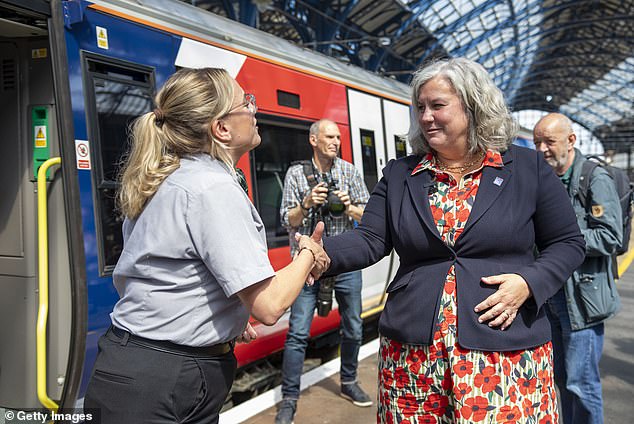
In a significant move for the nation’s rail network, Govia Thameslink Railway (GTR), the United Kingdom’s largest train operator, has officially transitioned into public ownership. This pivotal shift, effective from Sunday, 31 May, places GTR, which manages crucial services like Thameslink, Southern, Great Northern, and Gatwick Express, directly under the control of the Department for Transport (DfT). The Transport Secretary lauded the development as a “defining moment in our reform of the railway,” signalling a new era for millions of daily commuters and travellers.
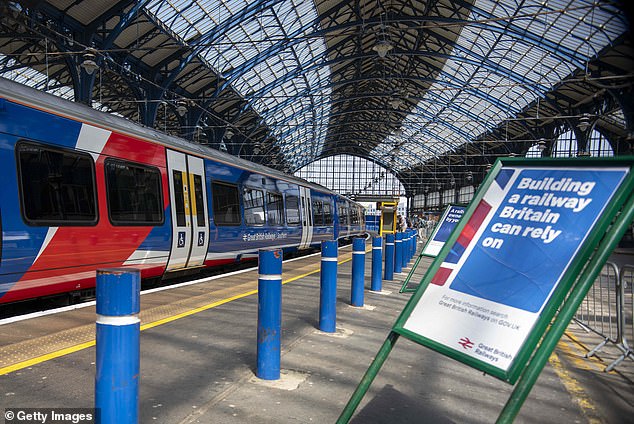
GTR stands as a behemoth in the UK’s rail landscape, responsible for a staggering one in every six rail journeys undertaken across the country. This nationalisation is a cornerstone of the government’s ambitious rail reform agenda, which aims to establish Great British Railways (GBR). GBR is envisioned as a singular public entity that will, for the first time since the mid-1990s privatisation, oversee both the physical infrastructure (tracks) and the train services themselves. The ultimate goal is to bring all passenger services under the GBR umbrella by the close of 2027.
Ministers have articulated a clear vision for improvements, promising a raft of enhancements for passengers. These include a dedicated effort to combat graffiti within Thameslink train toilets, strategic signalling upgrades between Farringdon and Blackfriars to mitigate delays, and the deployment of 110 new “travel safe officers” to address anti-social behaviour on board. As public ownership takes hold, passengers can anticipate a series of notable changes.
Will Train Services See an Immediate Boost?
While immediate, dramatic improvements are not on the cards, passengers can expect to witness gradual enhancements over the coming months. In the short term, a minor adjustment will be made to weekday services. Between 18 July and 29 August, a temporary reduction of approximately two per cent in service frequency is planned. This measure aligns with the typical dip in passenger numbers during the school summer holidays.
However, this slight reduction will be offset by planned increases on various routes. Services catering to destinations like East Grinstead and Gatwick Airport are set to receive additional trains. Looking ahead to December, the DfT has announced that Gatwick Express services operating between London Victoria and Gatwick Airport will double in frequency. Furthermore, Great Northern will introduce extra services connecting Moorgate and Hertford North.
Ticket Prices and Compensation Schemes: What’s Changing?
Passengers can breathe a sigh of relief regarding ticket costs. The government has firmly committed to a freeze on rail fares, which will remain in place until March 2027. This assurance provides considerable financial certainty for regular travellers. Crucially, existing passenger compensation schemes, such as the Delay Repay initiative offering compensation for delays of 15 minutes or more, will continue to operate without alteration.
A New Look for Our Trains?
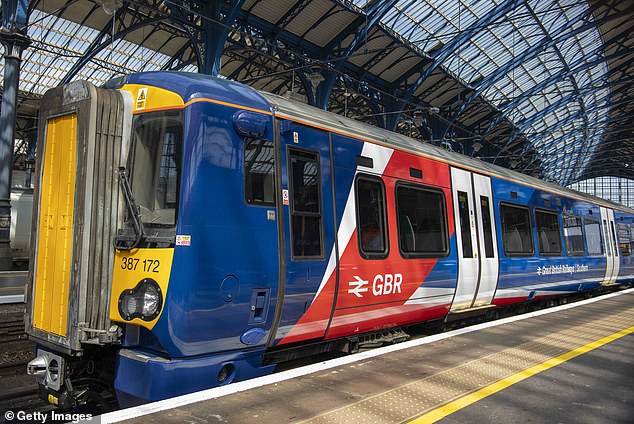
In terms of train aesthetics, significant visual changes are not expected in the immediate future. Most services will continue to run under their current branding. However, the first Southern train to proudly display the Great British Railways livery was recently unveiled in Brighton, offering a glimpse of the future. As more operators transition into public ownership, new colour schemes and branding are anticipated to be rolled out progressively across the fleet.
Which Operators Are Already Under Public Control?
GTR is not the first operator to come under government stewardship. Several others have already made the transition. LNER, Northern, Southeastern, and TransPennine Express were already publicly owned prior to the current government’s tenure. Since then, additional operators including c2c, Greater Anglia, South Western Railway, and West Midlands Trains have also been brought into public ownership. The process is ongoing, with Chiltern Railways scheduled to follow on 20 September, and Great Western Railway set to transfer on 13 December.
Will Every Service Be Publicly Owned?
It’s important to note that not every train service will eventually fall under the GBR umbrella. While the majority of passenger operators are slated for public ownership, certain open-access operators, such as Lumo, will continue to function within the private sector. Similarly, rail freight companies and rolling stock leasing firms are expected to remain under private ownership.
The Rationale Behind Public Ownership
The government’s decision to bring train operators into public ownership stems from a commitment made during the Labour party’s manifesto. The core argument is that a more integrated railway system, managed under a single public body, will lead to enhanced reliability, a reduction in service cancellations, and ultimately, better value for passengers. Ministers have also pledged to deliver cleaner trains, upgrade onboard Wi-Fi services, and foster closer collaboration between train operators and Network Rail.
Impact on Railway Staff
Around 8,000 GTR staff members will transfer to the government’s new train operating company. The Department for Transport has provided assurances that these employees will retain their current pay, terms, and conditions as part of this transition, aiming to ensure a smooth and secure move for the workforce.
Understanding Great British Railways (GBR)
Great British Railways (GBR) is poised to become the central authority responsible for the comprehensive oversight of both passenger train services and the nation’s railway infrastructure. This new organisation represents a significant structural change, bringing tracks and trains under a unified command for the first time since the extensive privatisation of the rail network in the 1990s. The complete integration of all passenger services under GBR is projected to be finalised by the end of 2027.

