
Iranian Athletes’ Asylum Journeys: A Complex Humanitarian and Political Landscape
The recent situation involving several Iranian athletes who sought asylum in Australia following their participation in international sporting events has cast a spotlight on the complex interplay of sport, human rights, and international relations. While some athletes have chosen to return to Iran, others have indicated their intention to remain in Australia, highlighting the diverse and deeply personal journeys undertaken by individuals facing difficult decisions.
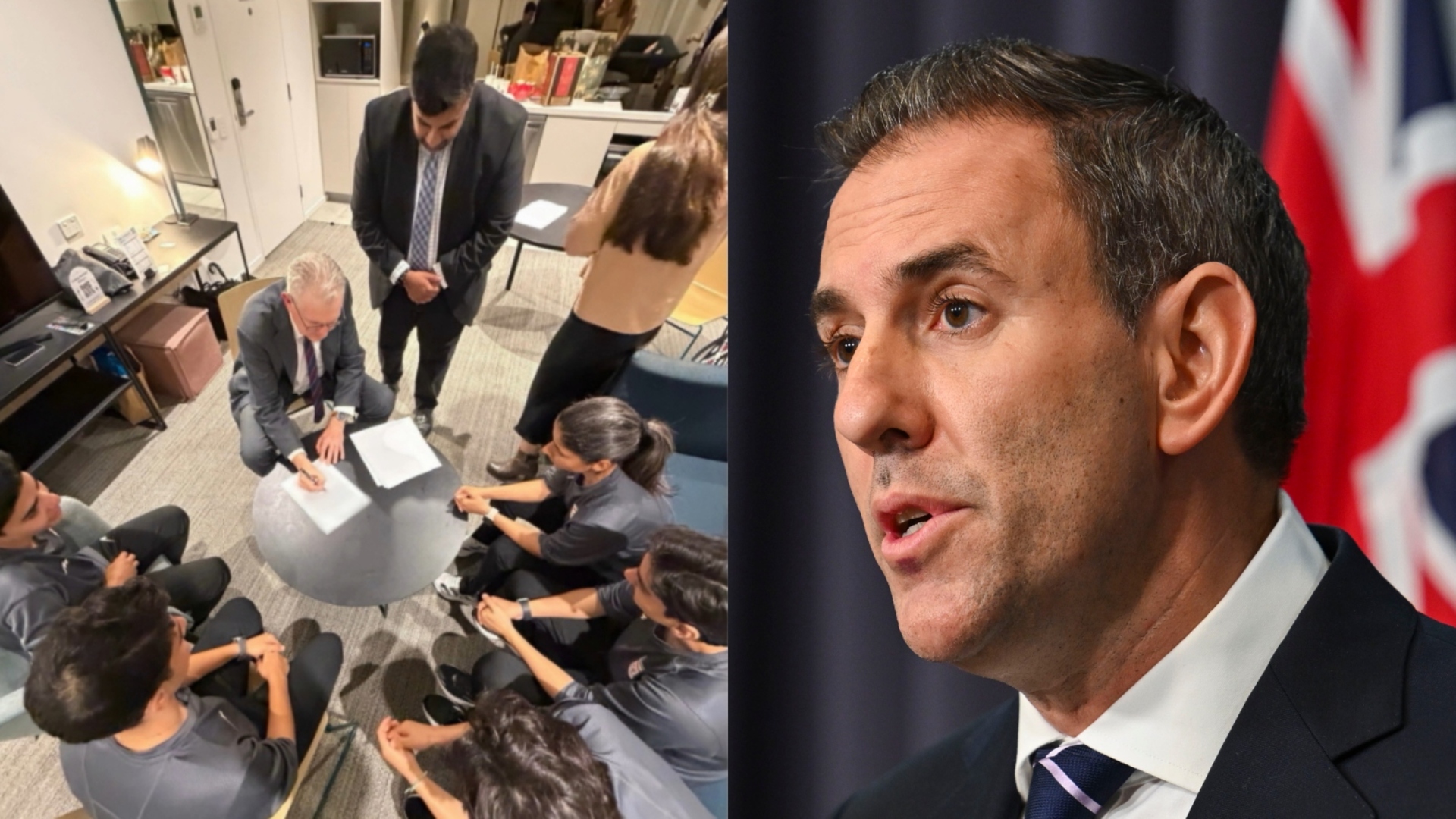
Treasurer Jim Chalmers has publicly expressed his satisfaction that a number of Iranian women athletes still intend to stay in Australia, a sentiment that underscores the government’s commitment to providing a pathway for those seeking refuge. He emphasised that the government’s role is to offer opportunities and support, rather than to dictate outcomes.
“Our job is to provide the opportunity; we’ve done that, not compel an outcome,” Mr Chalmers stated in comments to Sky News Australia. He further elaborated on the government’s efforts, asserting, “They’ve [Labor government] done the absolute best they can by these Iranian women under extreme and extraordinary pressure.” This statement reflects the delicate balancing act governments often face when dealing with asylum claims, particularly when individuals are prominent public figures.
The situation brings to the fore the challenges faced by athletes from countries with restrictive political regimes. For many, international sporting events represent not only a chance to compete on a global stage but also a potential window to a different life, one free from the constraints and pressures they may experience at home. The decision to seek asylum is rarely made lightly, often involving significant personal risk and the severing of ties with family and homeland.
Factors Influencing Athletes’ Decisions
Several factors likely influence the decisions of Iranian athletes considering asylum in Australia:
- Political Climate and Human Rights Concerns: Reports of human rights abuses and a lack of political freedom in Iran can be a significant motivator for individuals to seek a more open society. Athletes, often visible figures, may feel particularly vulnerable to state scrutiny and reprisal.
- Personal Safety and Future Prospects: The perceived threat to personal safety, both immediate and long-term, plays a crucial role. Athletes may also be looking for opportunities to further their sporting careers, education, or professional lives in a more supportive environment.
- Support Systems and Community: Australia, like many Western nations, offers potential support systems for asylum seekers, including humanitarian aid, legal assistance, and access to communities that can provide a sense of belonging.
- Family and Social Ties: The decision to stay or return is often complicated by family obligations and social connections. While some may have the freedom to make an independent choice, others might feel pressure from or a responsibility towards their families back home.
Treasurer Jim Chalmers speaks on three Iranian women players returning home following asylum claims in Australia.
The return of some athletes to Iran, as noted by Treasurer Chalmers, suggests that for various reasons, the path back home was the preferred or necessary choice for them. This could be due to family pressures, a reassessment of their situation, or perhaps assurances received regarding their safety upon return.
Australia’s Role and Responsibilities
Australia, as a signatory to international conventions on refugees and asylum, has a legal and moral obligation to consider asylum claims fairly. The government’s stated commitment to offering opportunities and support to those seeking refuge aligns with these international responsibilities.
The “extreme and extraordinary pressure” mentioned by Mr Chalmers likely refers to the complex geopolitical context and the significant public attention these cases attract. Managing these situations requires a sensitive approach that balances national interests, international obligations, and the individual circumstances of each claimant.
“Our job is to provide the opportunity; we’ve done that, not compel an outcome.”
The government’s stance that it provides opportunity but does not compel an outcome is a key principle in asylum processing. It acknowledges that the ultimate decision rests with the individual, informed by their personal circumstances and the support they receive.
Broader Implications
The experiences of these Iranian athletes are emblematic of a larger global trend where sport intersects with humanitarian concerns. As sporting events draw participants from diverse backgrounds and political systems, they inevitably become arenas where individuals may seek to escape difficult circumstances.
This situation also prompts reflection on:
- The role of international sporting bodies: How can organisations ensure the safety and well-being of athletes from all nations, particularly those from countries with human rights concerns?
- Diplomatic relations: Such cases can sometimes strain diplomatic ties between countries, requiring careful navigation by governments.
- Public perception and media coverage: The way these stories are reported can influence public opinion and the government’s approach to asylum policies.
Ultimately, the journeys of these Iranian athletes highlight the deeply human stories behind the headlines. Their decisions, whether to stay or to return, are shaped by a confluence of personal courage, political realities, and the hope for a better future. Australia’s engagement with these situations underscores its commitment to humanitarian principles while navigating the complexities of international relations and asylum law.


