

A Long-awaited Victory for Families of Victims
After years of legal battles, families of Chileans who disappeared during the brutal dictatorship of Augusto Pinochet are finally seeing a glimmer of justice. The case of Adriana Elcira Rivas, an alleged agent of Pinochet’s secret police, has reached a significant milestone with her potential extradition from Australia to Chile. This development brings hope and closure to many families who have waited decades for answers.
Rivas, now in her 70s, emigrated to Australia in the late 1970s and worked as a nanny in Bondi before being arrested in 2019 at the request of the Chilean government. She has been in custody for seven years while resisting attempts to extradite her to face charges of aggravated kidnapping. She is accused of participating in the disappearance of seven people, including a woman who was five months pregnant, while working for the Direccion de Inteligencia Nacional (DINA), Pinochet’s notorious secret police force.
Despite her denials, Rivas has argued that extradition should be blocked because it would result in her being tried for crimes against humanity. However, Justice Michael Lee of the Federal Court in Sydney ruled that the extradition request was based solely on the charge of aggravated kidnapping, not crimes against humanity. He emphasized that references to crimes against humanity in the extradition documents were merely contextual and did not alter the nature of the offense.
Legal Proceedings and Family Reactions
The court heard that Rivas’s claim that the Chilean government might sentence her for other offenses was unfounded. Justice Lee noted that the extradition request consistently identified the same offenses, and there was no evidence to suggest that Chile sought to prosecute her for different crimes.
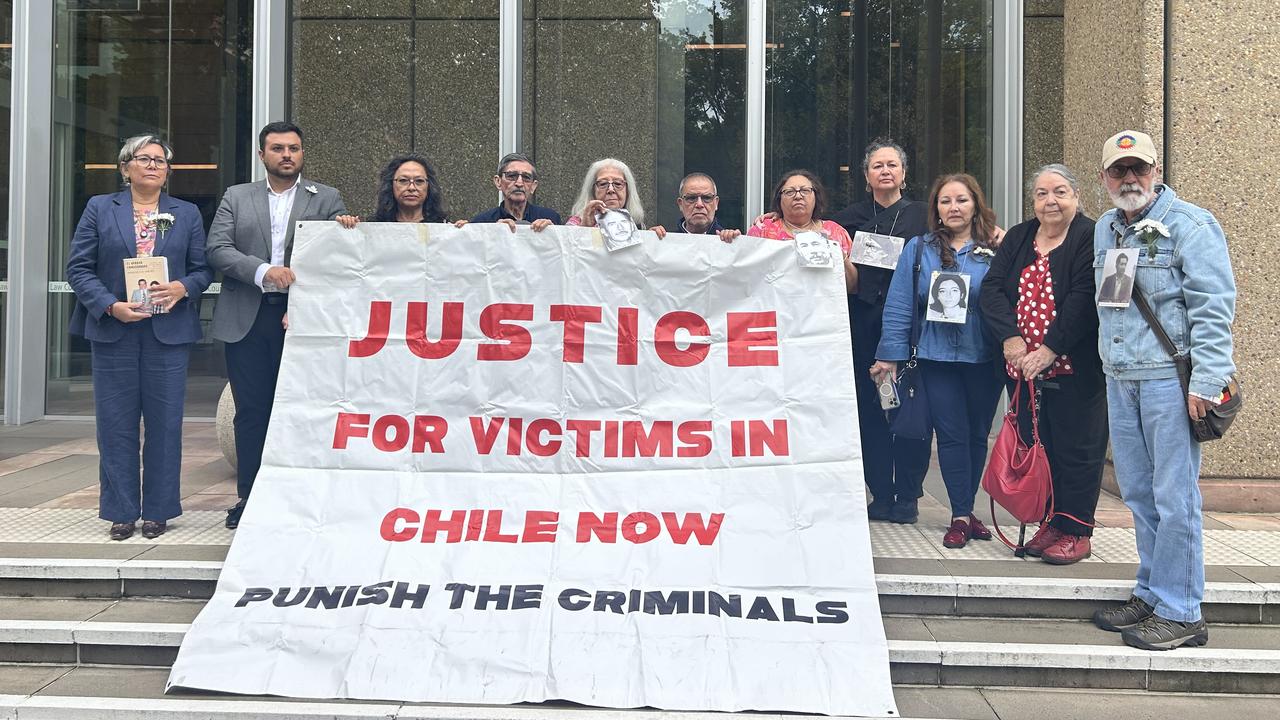
The ambassador and consul-general of Chile were present in the public gallery during the decision. Families of those who vanished or were killed during Pinochet’s regime had packed the courtroom during the two-day hearing but were not able to attend the final ruling. Their lawyer, Adriana Navarro, expressed relief that the case had reached a conclusion after 15 years since Rivas allegedly fled to Australia to avoid charges.
“This is close to the end of the line for Ms Rivas,” she said outside the courthouse. “(They are) truly, truly delighted.”
Navarro also highlighted the emotional toll the long wait has taken on the families. Many still do not know where their loved ones are buried, making it difficult to say goodbye. “Psychologically, you need to be able to say goodbye to your loved ones, even when you know that they have been assassinated in the most atrocious manner,” she said.

The Legacy of Pinochet’s Regime
Tens of thousands of Chileans fled to Australia after Pinochet’s violent coup in 1973. During his rule, about 40,000 people were killed, tortured, or imprisoned for political reasons. Rivas is accused of being a member of the DINA, which was responsible for the physical and psychological torture of political opponents.
Although Justice Lee’s decision clears the way for Rivas’s extradition to Chile, she still has the option to appeal the ruling with the Full Federal Court. For the families of the victims, this step marks a crucial moment in their quest for justice and closure.
Determination to Seek Justice
Despite the decades of delay, the families remain determined to find answers and ensure that perpetrators of these atrocities are held accountable. “The families will not give up,” Navarro said. Her words reflect the enduring strength of those who have suffered under the shadow of Pinochet’s regime.
As the legal process continues, the hope remains that justice will finally be served for the victims and their families. The case of Adriana Elcira Rivas is not just about one individual, but about the broader struggle for truth, accountability, and healing in the wake of one of the darkest chapters in Chilean history.


