

Australians are bracing for another significant blow to their household budgets, with private health insurance premiums poised to surge at their fastest rate in nearly a decade. As of April 1, the industry average premium increase is set to hit 4.41 per cent. This marks the most substantial jump in approximately ten years, adding further pressure to families already grappling with persistent cost-of-living challenges.
While insurers highlight the 4.41 per cent as an industry-wide average, the actual impact on individual policyholders will vary considerably. This divergence depends on the specific health fund they are with and the level of coverage they hold.
For-Profit Insurers Lead the Charge
A closer look reveals that for-profit insurers are generally implementing higher premium increases. Notable examples include:
- AIA Health Insurance: Facing an increase of 5.98 per cent.
- NIB: Set to see premiums rise by 5.47 per cent.
- Medibank: Policyholders can expect a 5.10 per cent increase.
- Bupa: Premiums are rising by 4.80 per cent.
In contrast, not-for-profit funds are showing more restraint. For instance, GMHBA has managed to keep its premium rises as low as 1.98 per cent.

The Reality for “Gold” Policyholders
Consumer advocates are sounding the alarm, cautioning that the headline average can mask a much sharper financial squeeze for some households. This is particularly true for those who hold top-tier hospital cover, often referred to as “Gold” policies. These policies are projected to increase by an average of 13.3 per cent, with some customers facing even more substantial hikes.
One of the most significant increases on record is HCF’s Hospital Optimal Gold cover, which will see a rise of approximately 25 per cent. For the average Gold policyholder, this translates to an additional financial burden of around $167 per year for individuals and roughly $330 per year for families.
Health funds attribute these rising premiums to a confluence of factors. They cite increasing hospital wages, the escalating cost of advanced medical technology, an ageing demographic, and a surge in demand for mental health and chronic disease services, which has been exacerbated by the lingering effects of the pandemic.
A Perfect Storm of Rising Costs
This latest health insurance hike comes at a particularly challenging time for Australian households, which are already under immense financial strain.
- Interest Rates: The Reserve Bank of Australia’s decision to lift the cash rate to 4.1 per cent in March 2026 continues to exert pressure. This has led to elevated mortgage repayments for many homeowners.
- Inflation: Inflationary pressures remain a significant concern, persisting above the target rate set by the RBA.
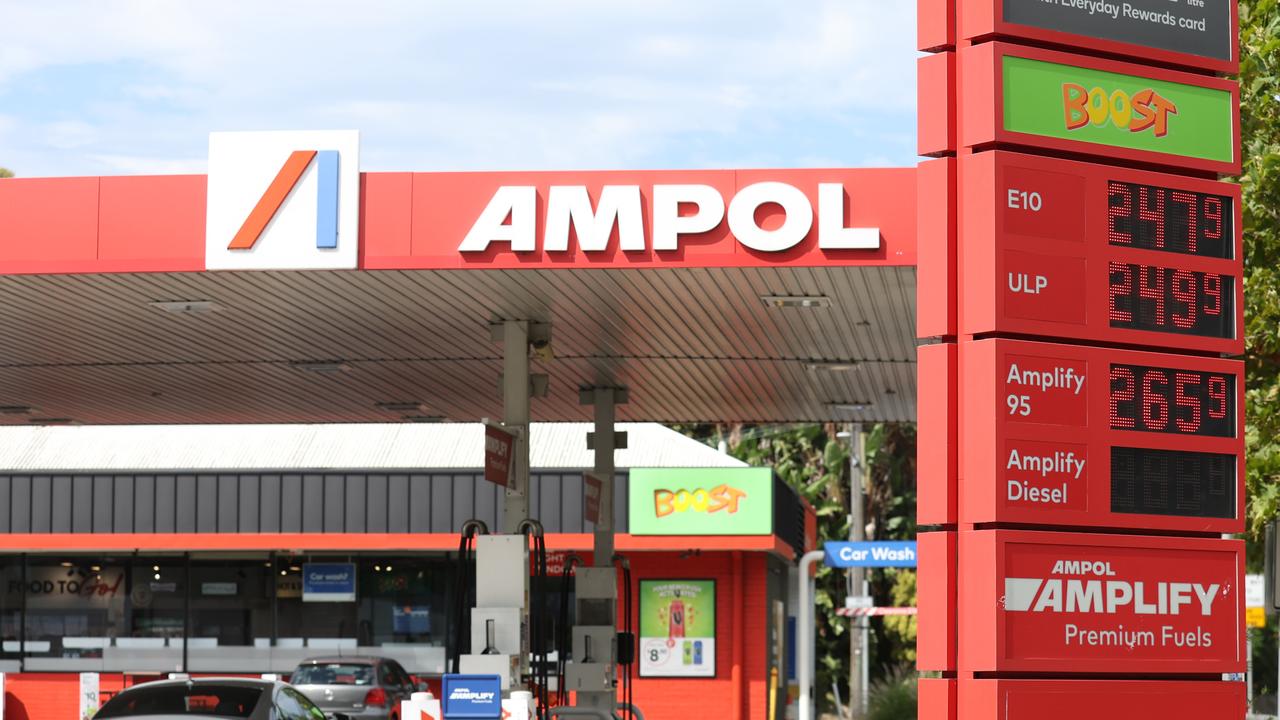
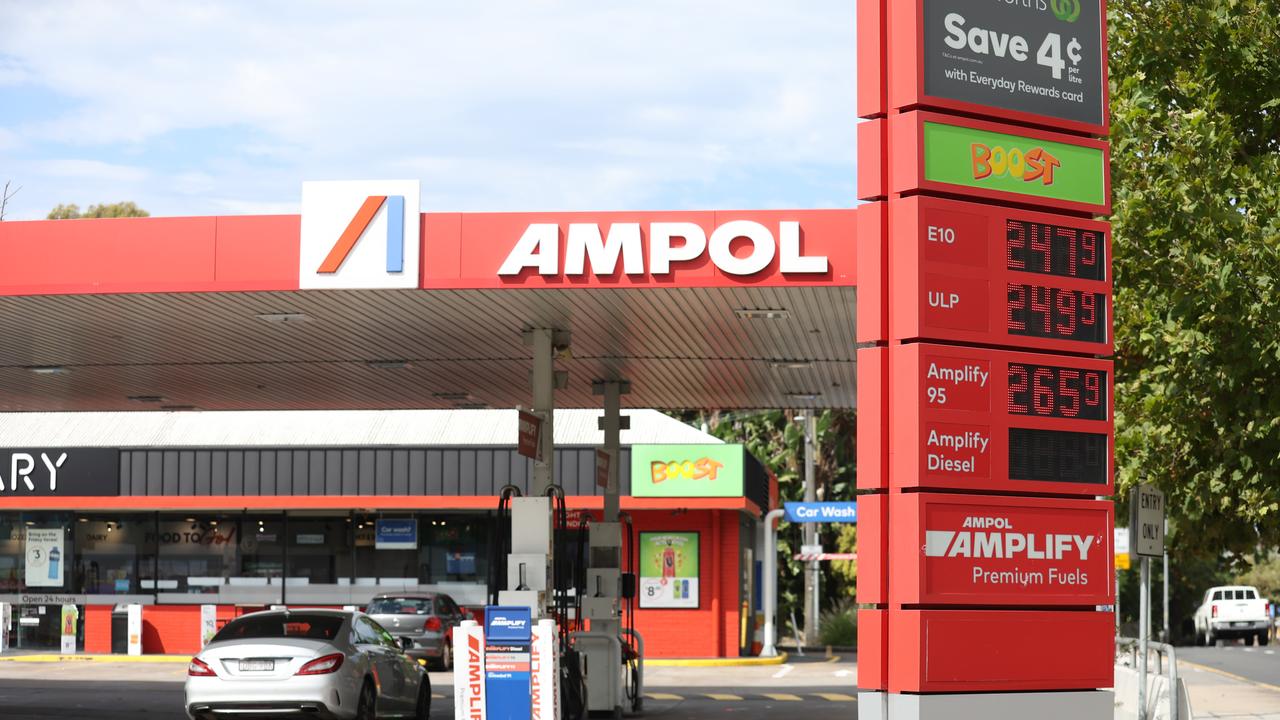
- Energy and Fuel Costs: Households are continuously feeling the pinch from higher fuel and electricity prices. Petrol costs in Australia’s capital cities have surged past $2.50 per litre, driven by global supply disruptions. Simultaneously, electricity bills have seen an alarming rise of over 30 per cent in the past year alone, as government rebates begin to expire.
- Housing Market: The pressure on housing costs shows no signs of abating. Rental vacancy rates are hovering near historic lows, and rental prices have experienced sharp increases in recent years.

The cumulative effect of these economic pressures is pushing household budgets to their absolute limit. Consumer confidence has subsequently fallen back to levels not witnessed since the early days of the COVID-19 pandemic.
The “Loyalty Penalty” and its Consequences
A growing concern within the industry is what experts are terming the “loyalty penalty.” This phenomenon describes how long-term customers often end up paying significantly more for their private health insurance than newer customers who are on comparable plans. Some estimates suggest that long-standing policyholders could be forking out hundreds of dollars more each year compared to newer members with similar coverage.
Potential for Policyholders to Exit
There are also warnings that the escalating costs could prompt more Australians to consider dropping or downgrading their private health insurance altogether. This trend is particularly likely among younger and healthier individuals, who may perceive the rising premiums as less justifiable for their needs.
This potential exodus poses a significant risk to the private health insurance market. If younger and healthier members leave, insurers could be left with a smaller pool of customers who are, on average, older and have more complex health needs. This scenario could create a vicious cycle, potentially driving premiums even higher in the coming years.
Navigating the Increases: Options for Consumers
Despite the widespread financial pressure, consumer advocates maintain that households do have avenues to mitigate the impact of these rising costs. These strategies include:
- Prepaying Premiums: Consider paying your premium before the April 1 increase takes effect to lock in current rates.
- Comparing and Switching Funds: Actively compare policies and prices from different health insurance providers. Switching funds could lead to significant savings.
- Reviewing Your Cover: Assess your current policy to identify any services or benefits you no longer require. Removing unnecessary extras can reduce your premium.
- Increasing Hospital Excess: Raising your hospital excess level can lower your ongoing premium payments. It’s important to balance this with your ability to afford the higher excess if you need to make a claim.
- Switching Insurers and Waiting Periods: Importantly, switching to a new insurer generally does not necessitate serving new waiting periods, provided your level of cover remains equivalent.
With household budgets under considerable strain from multiple economic fronts, this latest increase in private health insurance premiums is set to represent another significant financial squeeze for Australians navigating an already expensive year.